Organized by: NSS and Department of Psychology, Vishwakarma University, Pune
Date of Visit: October 19, 2024
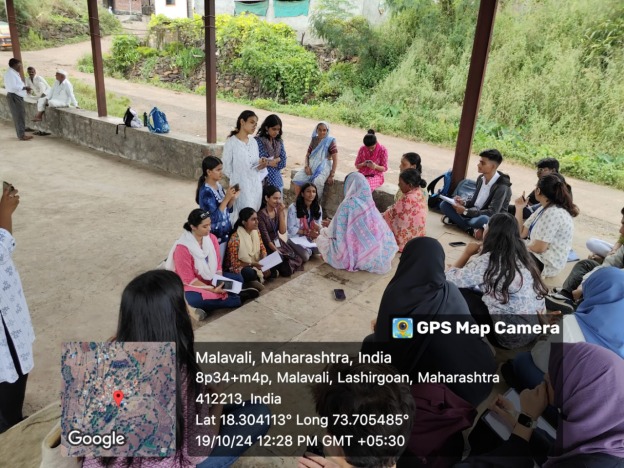
As part of the Community Work, a field visit was organized by the National Service Scheme (NSS) and the Department of Psychology, Vishwakarma University, Pune, to Malavali village in
Lashirgaon, Maharashtra. 30 students of B.A. Psychology accompanied by Prof. Aditi Jain and Prof. Kailash Bhosale. The objective of the visit was to explore the socio-economic conditions,
employment patterns, mental well-being, and life satisfaction of rural women, with a specific focus on their participation in self-help groups known as Bachat Gats. Additionally, the visit aimed to foster community awareness by conducting an emotional intelligence and child safety session for school children.
During the field study, we conducted in-depth interactions with five women from the village who are actively involved in various Bachat Gats. These interviews provided insights into their day-to-
day lives, occupational challenges, financial habits, emotional resilience, and overall satisfaction with their lifestyle. The employment opportunities in the village ranged from farming and poultry
keeping to running small-scale businesses such as incense stick production and retail shops. One of the key informants, Rekha, is the head of the Kulswamini Mahila Bachat Gat and manages two businesses while leading a union of seven self-help groups. Her experience illustrated the importance of collective savings, decision-making skills, and financial independence.
Another group comprising Neerabai, Aruna, and Vandana shared how the Bachat Gat helped them transition from informal savings to structured financial planning. By saving ₹100 monthly
and availing low-interest loans, they felt more secure and confident in managing household needs and emergencies. The unity among the women not only fostered economic resilience but also
created a safe emotional space where they could relax, converse, and find relief from daily stress. Similarly, Nividita Kodekar, a Community Resource Person (CRP), described how her role
allowed her to connect nearly 50 villages with government schemes and educate women about the benefits of structured financial engagement. She noted a significant increase in her financial
literacy, networking skills, and leadership capabilities.
The visit also focused on understanding mental health aspects in the rural context. Most women expressed that being part of the Bachat Gat improved their emotional well-being, helped manage stress, and provided a platform for peer support. They reported increased self-esteem, better time management, and stronger decision-making abilities. The informal evening gatherings of the Bachat Gat served as a space for emotional expression, reducing feelings of isolation. The collective empowerment process was evident as the women encouraged one another to balance household, work, and community responsibilities effectively.
An important component of the visit included a community engagement activity with children at the local Zilla Parishad primary school. An awareness session was conducted on emotional intelligence and the difference between good touch and bad touch. This session aimed to enhance children's emotional awareness and personal safety, contributing to early life skills development in a rural setting.
In conclusion, the field visit to Malavali village was a meaningful experience that highlighted the transformative power of community-based self-help groups in rural India. The visit demonstrated
how collective savings, peer learning, and supportive networks contribute to women’s financial stability, emotional strength, and social empowerment. It also allowed students from the
Department of Psychology to apply theoretical concepts to real-life settings, making the learning experience richer and more impactful. This initiative, under the guidance of NSS and the Department of Psychology, served both as a platform for student learning and as a catalyst for community engagement and development.
.JPG)
.jpg)
.jpg)
.jpg)
Date: October 9, 2024
Venue: Vishwakarma University, Pune
Organized by: Environmental Club, Vishwakarma University
1. Introduction
The Plant4Mother campaign was organized by the NSS Unit of Vishwakarma University on October 9, 2024, with the aim of raising awareness about environmental conservation, combating climate change, and encouraging tree plantation. This event focused on the responsibility of every individual to contribute to a greener planet by planting trees, which are often considered the earth's "lungs."
2. Objective
The primary objective of the campaign was to promote ecological sustainability by encouraging students, faculty, and the local community to actively participate in tree plantation activities. The event also aimed to honor "Mother Earth" by nurturing the planet and fostering a sense of environmental stewardship among participants.
3. Participants
The event witnessed active participation from a diverse group of individuals, including:
4. Event Highlights
5. Impact
6. Conclusion
The Plant4Mother campaign at Vishwakarma University was a resounding success. It not only brought attention to the importance of environmental conservation but also gave participants a tangible way to contribute to the cause. With the collective efforts of the university, its students, and the community, the event showcased a commitment to a greener, more sustainable future.
Prepared by: NSS Unit, Vishwakarma University
Date: October 9, 2024
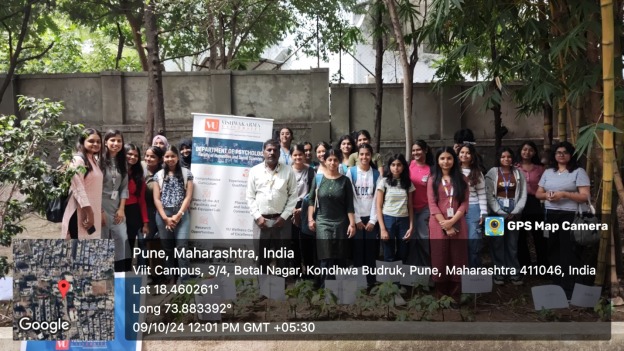
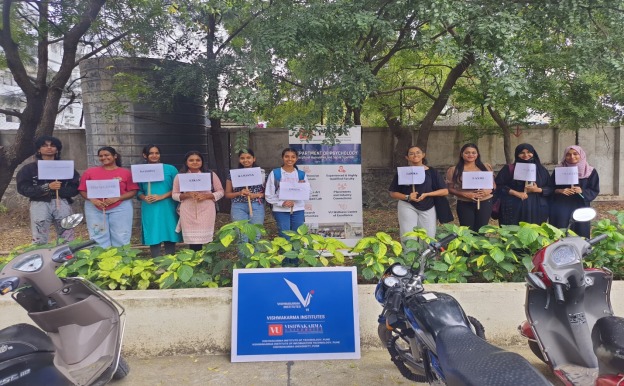
The Nasha Mukta Bharat Abhiyan (Drug-Free India Campaign) is a nationwide initiative by the Government of India to combat drug addiction, focusing on creating awareness and encouraging behavioral change at the grassroots level. If a Nasha Mukta Bharat Abhiyan event took place in Malvali village, Tal. Velhe, Dist. Pune, it likely involved several key activities:
Nasha Mukti Vedio cure Code:
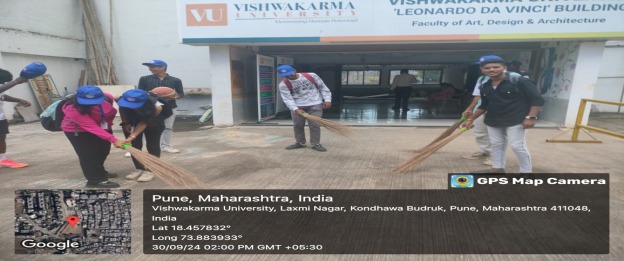
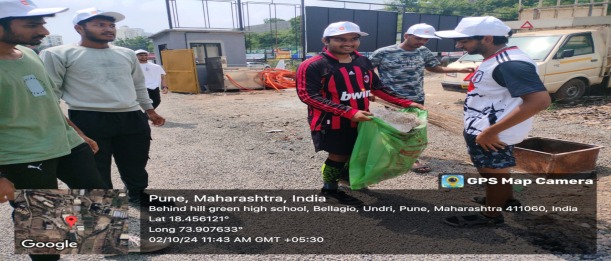
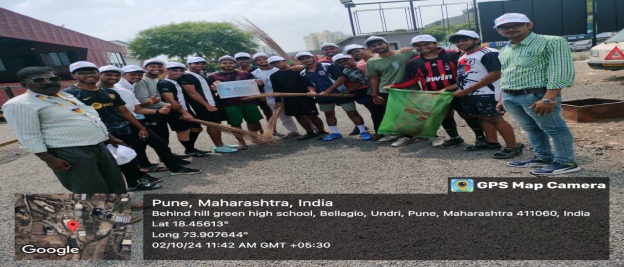
On 2nd October, in celebration of Gandhi Jayanti and as part of the Swachhata Hi Seva campaign, a cleanliness drive was conducted in the Undri area. The event saw active participation from NSS (National Service Scheme) volunteers and students from the Sports department. The initiative aimed to honor Mahatma Gandhi's vision of cleanliness and sanitation.
Volunteers gathered early in the morning to clean public spaces, streets, and areas surrounding the community. Armed with brooms, gloves, and cleaning equipment, the participants worked collectively to remove waste, plastic, and other litter, emphasizing the importance of maintaining a clean environment. The drive also sought to raise awareness about the harmful effects of pollution
Vishwakarma University has organized a structured session on "Fire Mock Drill" on 3rd May 2024 for the faculty, staff and students of the university in collaboration with the department of Fire Brigade of Pune Municipal Corporation at open area, behind building no 1. The session was found useful and appreciated by all the staff members. While Mr. Kailas Shinde delivered the session, the Chief Fire Officer was using the following rescue equipment. These are: 1. Chain saw, 2. Circular saw, 3. Battery powered hydraulic cutters and water pipe nozzles like long branch, short branch, London pattern hand control branch, rotary branch and turbojet branch are used for firefighting.
The following members of the fire department participated in this session.
1. Shri Kailas Shinde - Chief Central Fire Officer
2. Shri. Rahul Bandal - Tandel
3. Mahesh Phadtare - Fireman
4. Shri Sandeep Kawade - Fireman
5. Shri. Prasad Shinde - Fireman
6. Shri. Rahul Jadhav – Driver
Coordinated by:
Dr. Avdhut Atre, Director, Campus Management and Dr. Kailas Bhosale, VU NSS, Program Coordinator
Vishwakarma University, Pune
.jpeg)
.jpeg)
.jpeg)
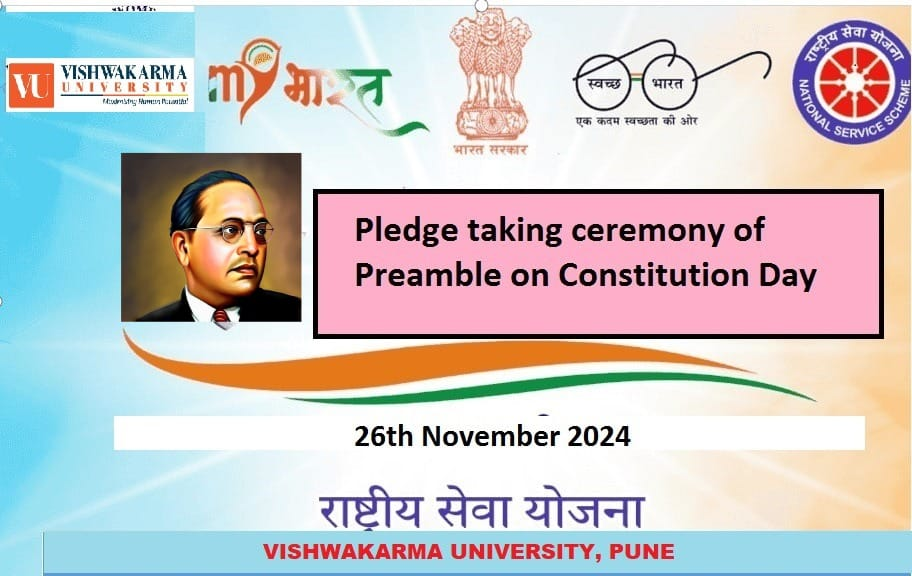
Date: 26th November 2024
Venue: Auditorium, EcoCapmus, Vishwakarma University, Pune
On 26th November, Vishwakarma University celebrated Constitutional Day, also known as Samvidhan Diwas, with great enthusiasm and reverence. This annual event is held to commemorate the adoption of the Indian Constitution in 1949 and to reflect on its values and significance in shaping the nation.
Program Overview:
The celebration began at 01.00 PM in the university’s auditorium. The event was graced by the presence of distinguished guests, faculty members, and students. The program aimed to foster awareness about the Constitution and its relevance in contemporary India.
The event was highly appreciated by participants for its well-rounded approach to celebrating Constitutional Day. Students expressed a deeper understanding of the Constitution and its practical implications. Faculty members lauded the organizing team for their efforts in making the event both educational and inspiring.
.jpeg)
.jpeg)
Prepared By: Dr. Kailas Bhosale
VU NSS Programme Coordinator
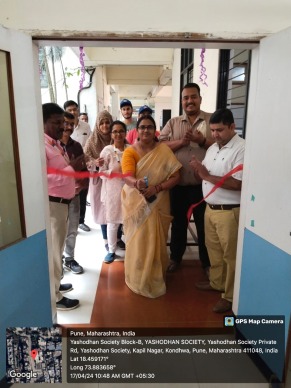
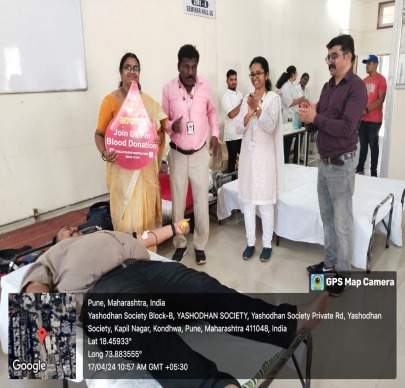
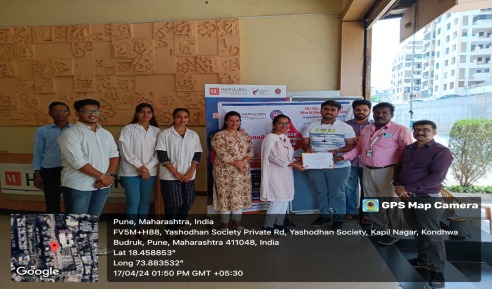
Jointly Organized By :-School of Pharmacy & NSS Unit Vishwakarma University
In collaboration with :-R. G. Gholap Blood Bank, Pune
Date: 17/04/2024
Location: Building No. 2, Vishwakarma University, Kondhwa (Bk.)
Date and Venue:
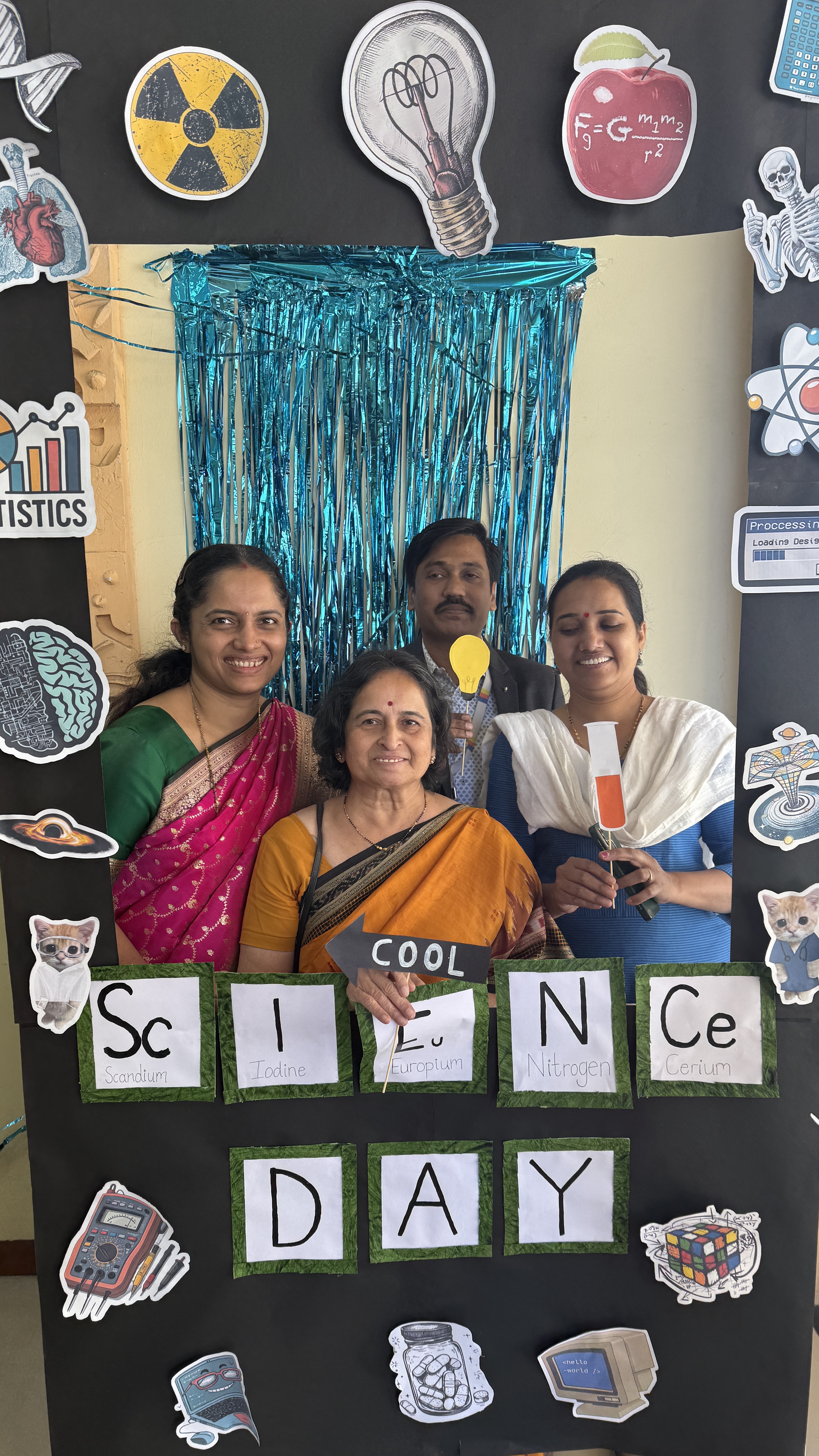
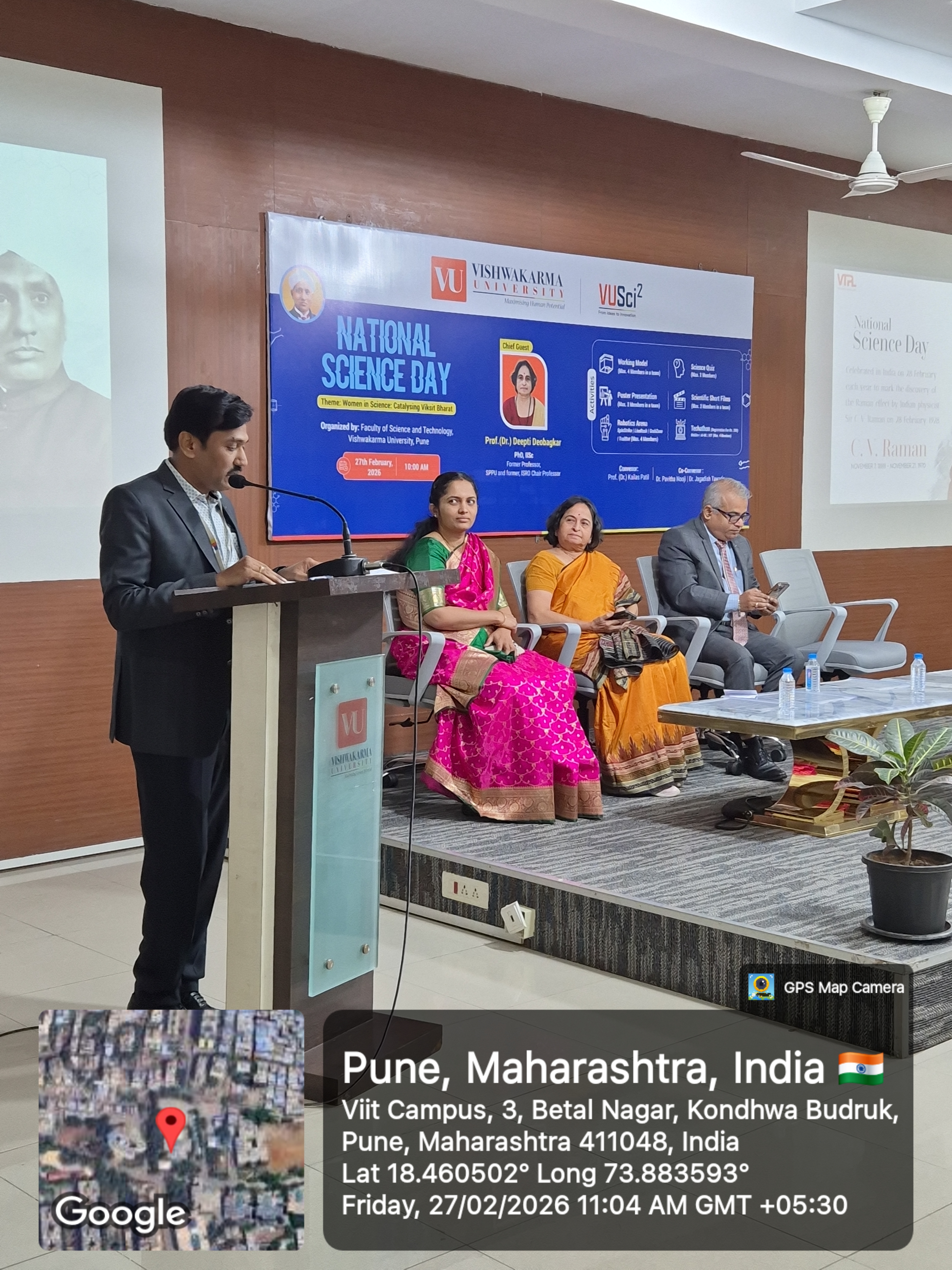
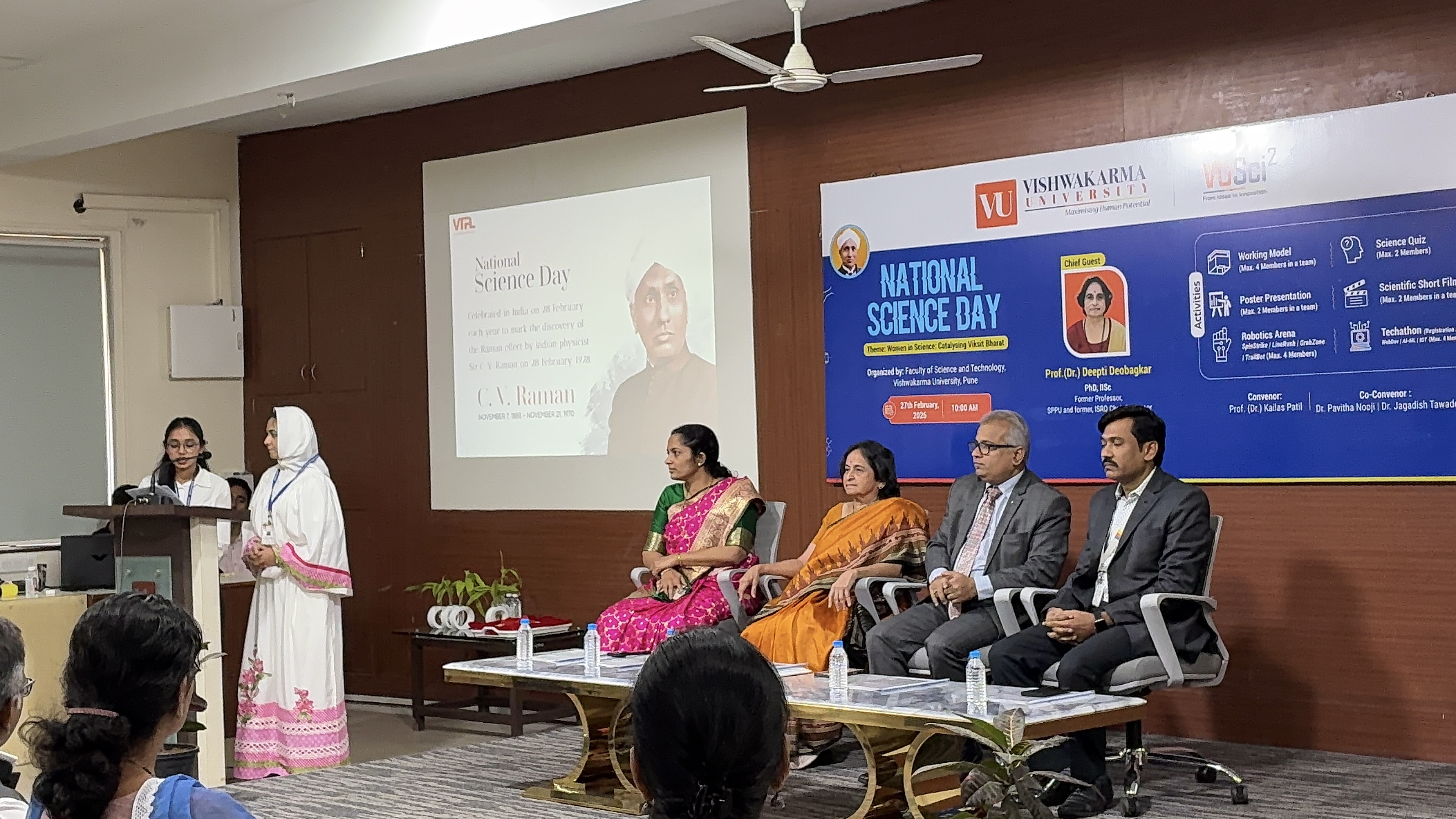
Date: 27 February 2026
Venue: VU Building No. 1 & 2, Vishwakarma University, Pune
Organizing Department: Faculty of Science and Technology, Vishwakarma University
Organizers:
Prof. (Dr.) Kailas Patil (Convenor)
Dr. Pavitha Nooji (Co-Convenor)
Dr.Jagadish Tawade (Co-Convenor)
Faculty Coordinator:
Dr. Raeesa Bashir
Dr. Shubham Narawade
Dr. Mahfooz Alam
Dr. Sanjay Kumar Pal
Prof. Ashwini Sengar
Dr. Sonali Powar
Dr. Nitin Satpute
Prof. Prachiti Suryawanshi
Dr. Mayur Deshmukh
Prof. Harish Motekar
Prof. Divya Munot
Introduction
National Science Day 2026 was organized by the Faculty of Science and Technology with the objective of fostering scientific temper, innovation, and research orientation among students. The
event was conducted under the theme “Women in Science: Catalysing Viksit Bharat,” highlighting the pivotal role of women scientists in national development and technological advancement. The programme was structured to include a blend of academic, technical, creative,and competitive activities to ensure holistic student engagement and experiential learning.
Objectives of the Programme
To promote scientific awareness and research culture among students
To encourage innovation, creativity, and problem-solving abilities To
provide a platform for interdisciplinary collaboration
To enhance teamwork, leadership, and communication skills
To recognize and celebrate the contribution of women in science
Participation
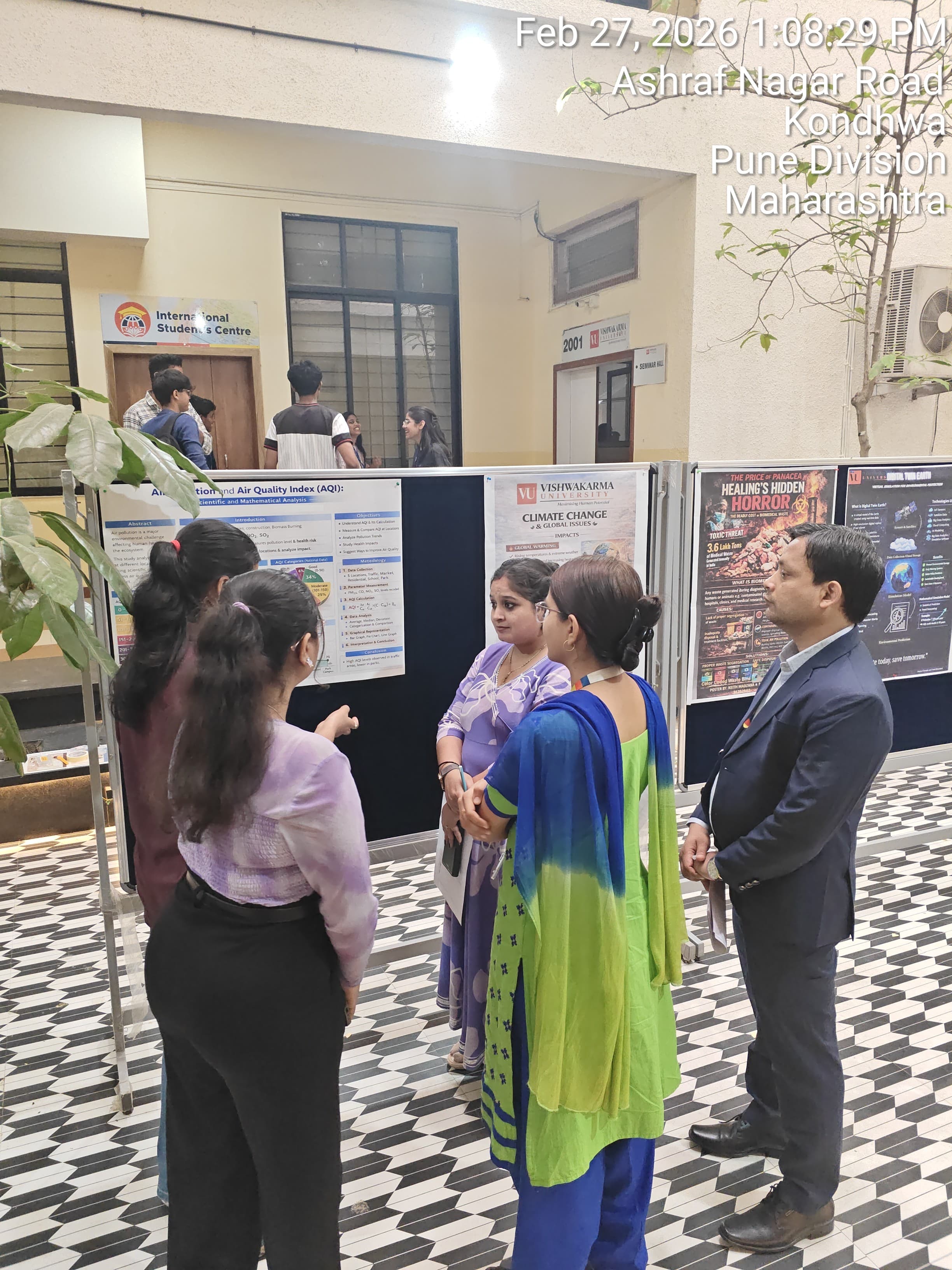
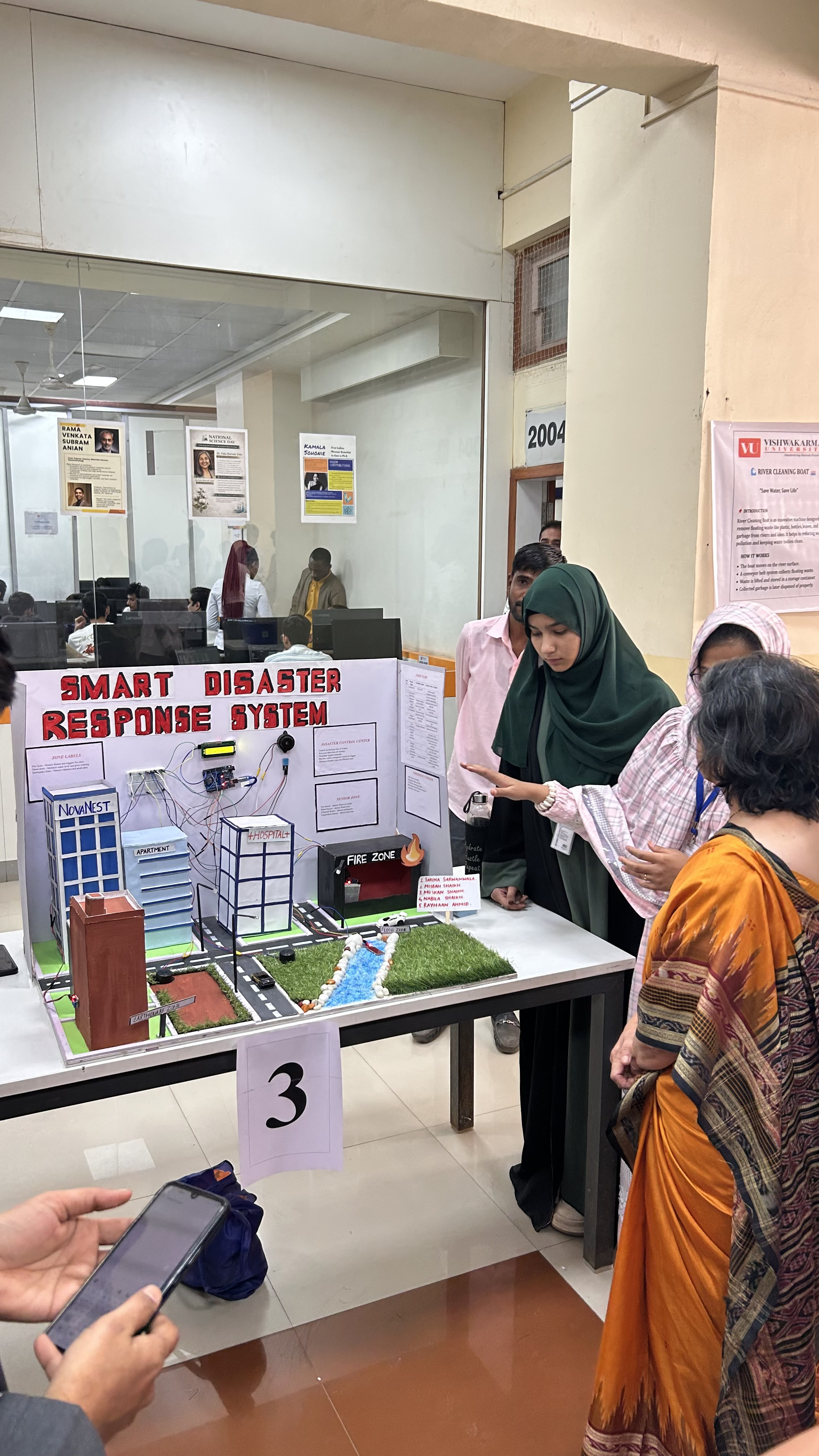
A total of 253 students actively participated in the programme. Students from various disciplines enthusiastically took part in individual and team-based competitions conducted throughout the day. The large participation reflected strong interest and engagement in scientific and technological activities.
Details of Activities Conducted:
As outlined in the programme schedule, the event commenced with an inaugural ceremony in the auditorium, followed by multiple parallel activities conducted across Building No. 2. The programme included the following categories:
Academic and Knowledge-Based Activities:
The Science Quiz competition was conducted to assess students’ knowledge in fundamental sciences, recent advancements, and analytical reasoning. It encouraged critical thinking and
healthy academic competition. Poster Presentation was organized to provide students with a platform to present research ideas, scientific concepts, and innovative solutions. Participants demonstrated strong analytical abilities and subject understanding.
Technical and Innovation-Based Activities:
Working Model competition enabled teams to demonstrate functional scientific and engineering models focusing on real-world applications and sustainability. Techathon was conducted as a full-day event where students worked on Web Development, AI/ML, and IoT-based problem statements, fostering collaborative technical problem-solving. Robotics Arena promoting hands-on learning in robotics design, programming, and automation.
Creative and Awareness-Based Activities:
Scientific Short Film competition was conducted to encourage students to communicate scientific concepts creatively through visual storytelling. The activity enhanced both scientific awareness
and creative expression. Each activity was conducted as per the scheduled timeline and was supervised by faculty
coordinators to ensure systematic execution and fair evaluation.
Students Involvement and Response:
Students displayed high levels of enthusiasm, innovation, and teamwork throughout the programme. Active participation in technical and creative domains reflected their preparedness and interest in applied learning. The event fostered a collaborative environment and strengthened peer learning and faculty interaction.
Outcome of the Programme
Increased awareness about scientific research and innovation Enhanced analytical, technical, and presentation skills Strengthened teamwork and leadership qualities
Encouraged creative communication of scientific ideas Promoted appreciation of women’s contribution to science Overall academic enrichment and experiential learning
Conclusion
National Science Day 2026 was successfully conducted in alignment with the planned schedule and objectives. With the active participation of 253 students, the programme achieved its goal of promoting scientific temper, innovation, and interdisciplinary engagement. The diverse range of activities, combined with strong student involvement and faculty support, made the event
impactful and memorable.

Date and Venue:
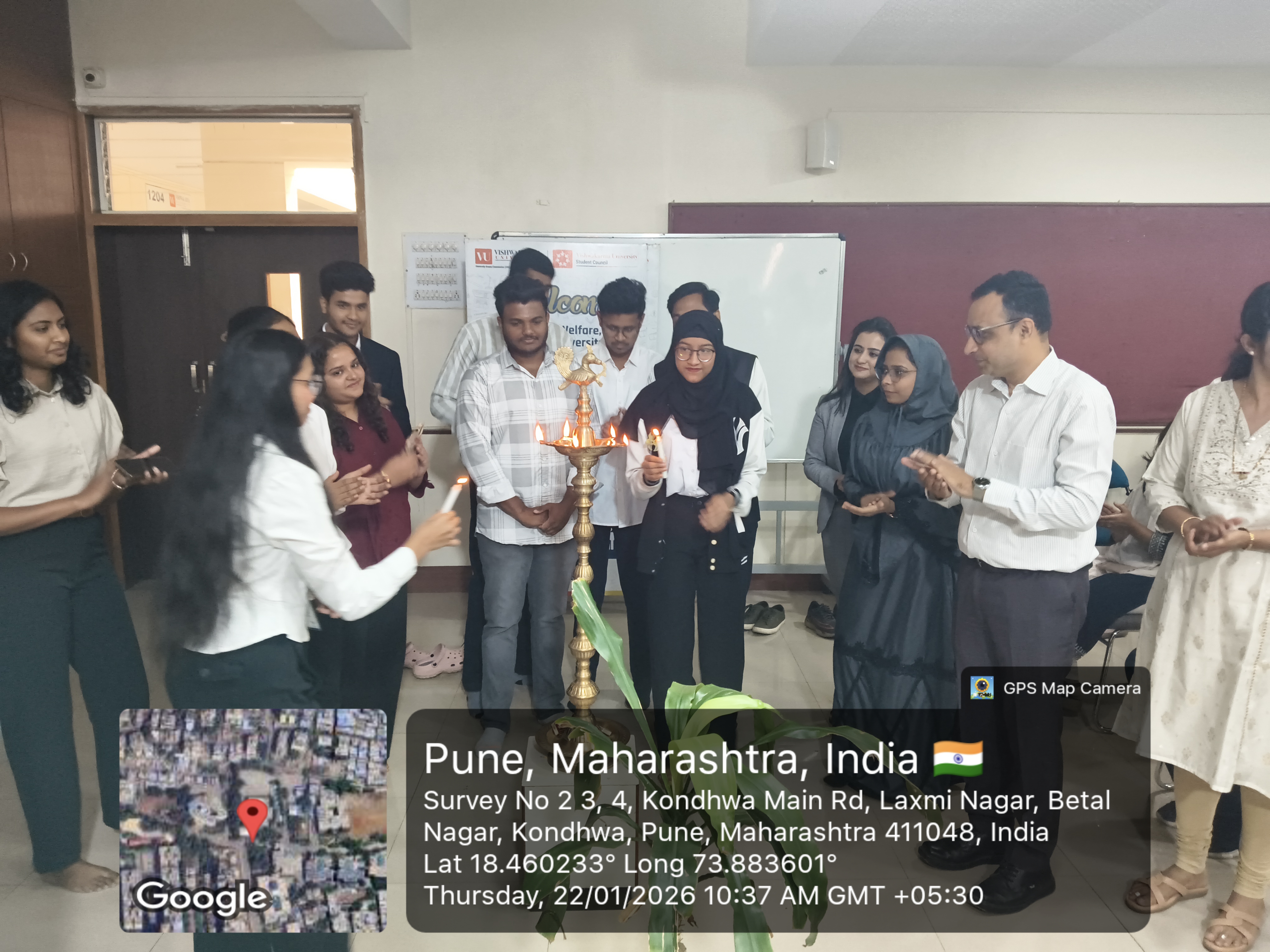
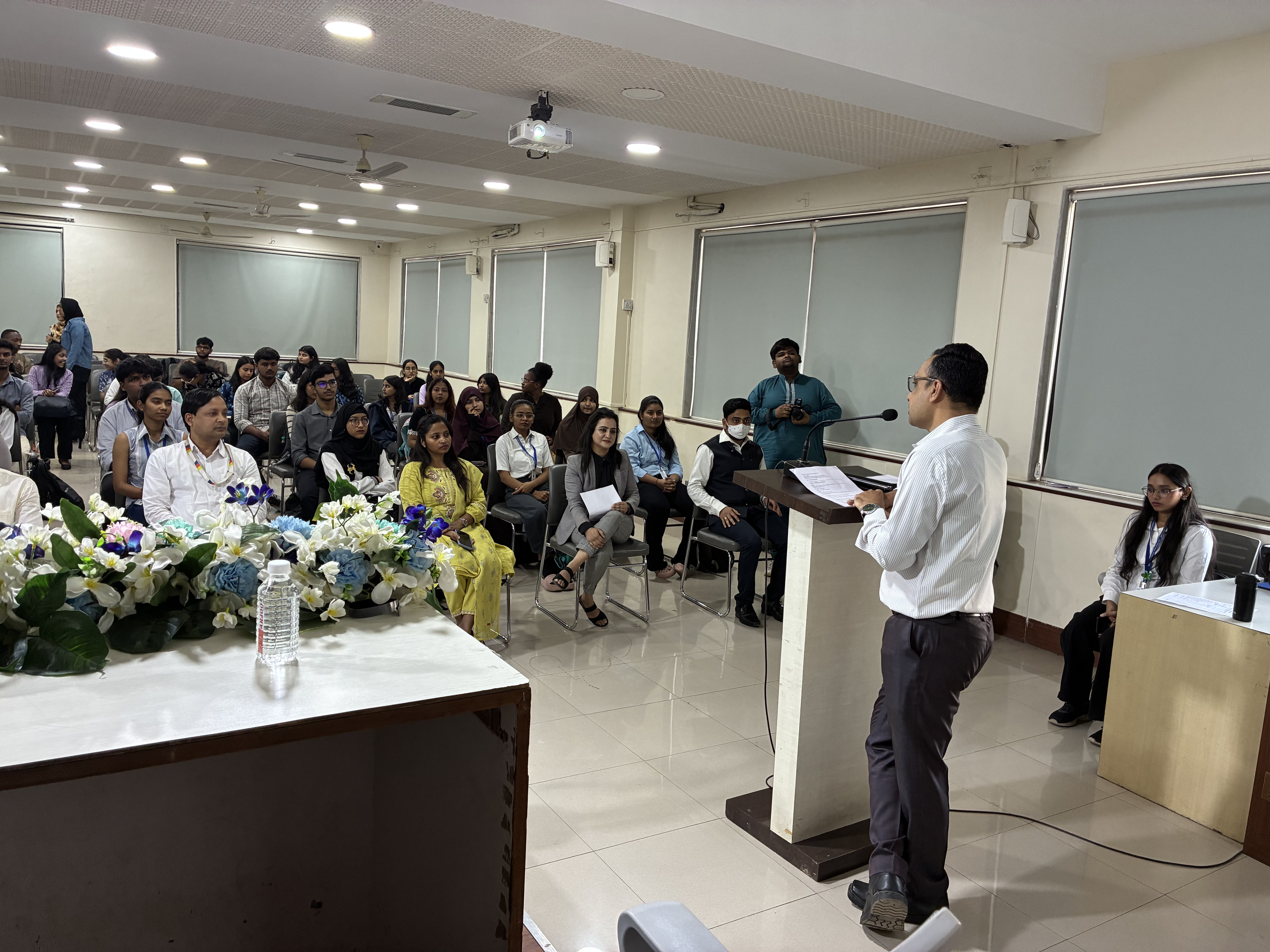
Date: 22 January 2026
Venue: Auditorium/Vishwakarma University
Organizing Department:
Department of Mathematics and Statistics, Vishwakarma University
Organizers:
Dr. Raeesa Bashir
Dr. Shubham Narawade
Introduction
The programme was organized with the objective of providing students a platform to enhance their academic knowledge, creative skills, teamwork, leadership qualities, and overall personality development. As outlined in the programme flyer, the event was carefully planned to include a variety of activities that encouraged active participation, collaboration, and experiential learning.
Objectives of the Programme
• To promote holistic development among students
• To encourage active participation beyond classroom learning
• To enhance creative, analytical, and problem-solving skills
• To foster teamwork, discipline, and leadership qualities
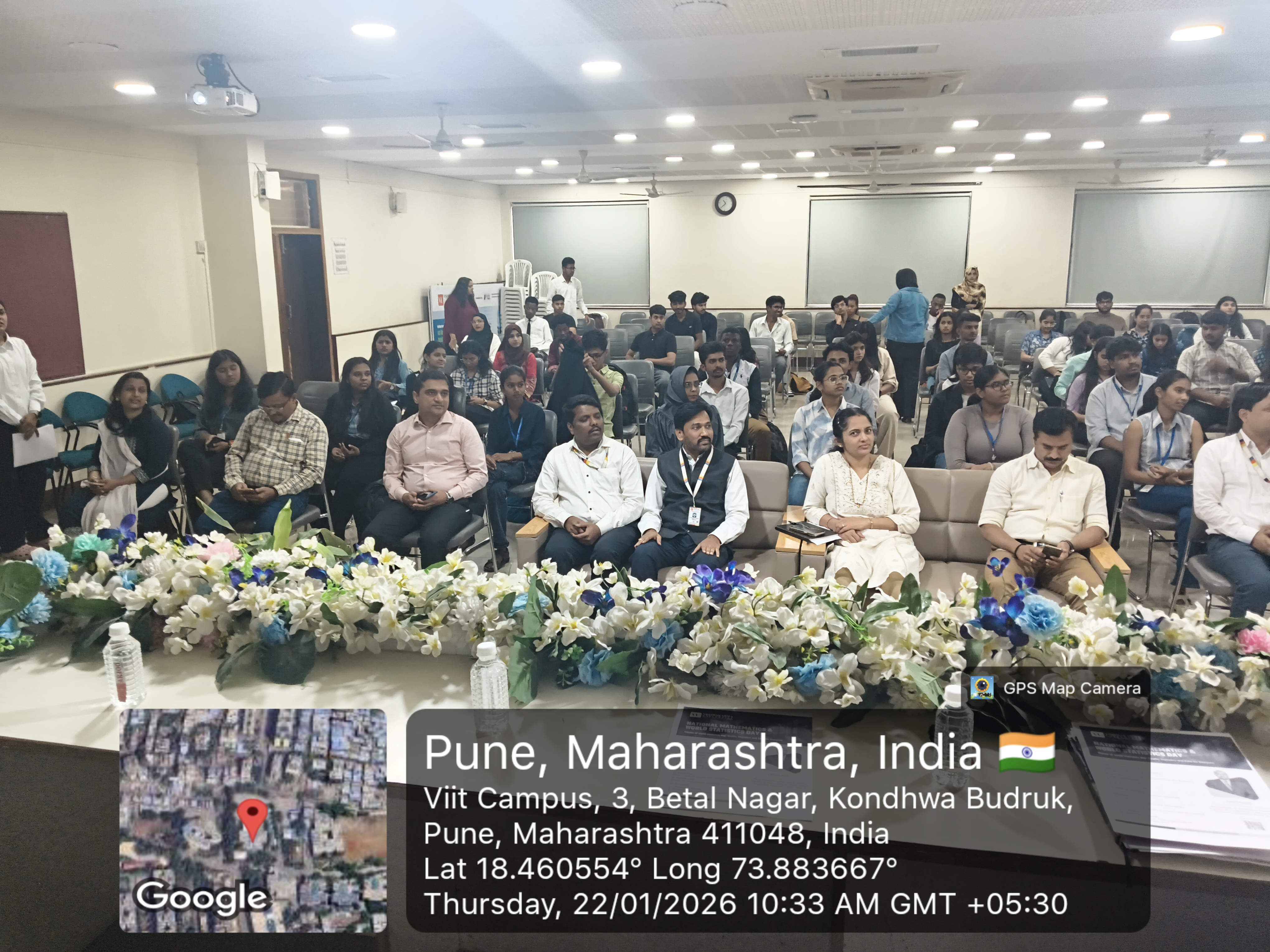
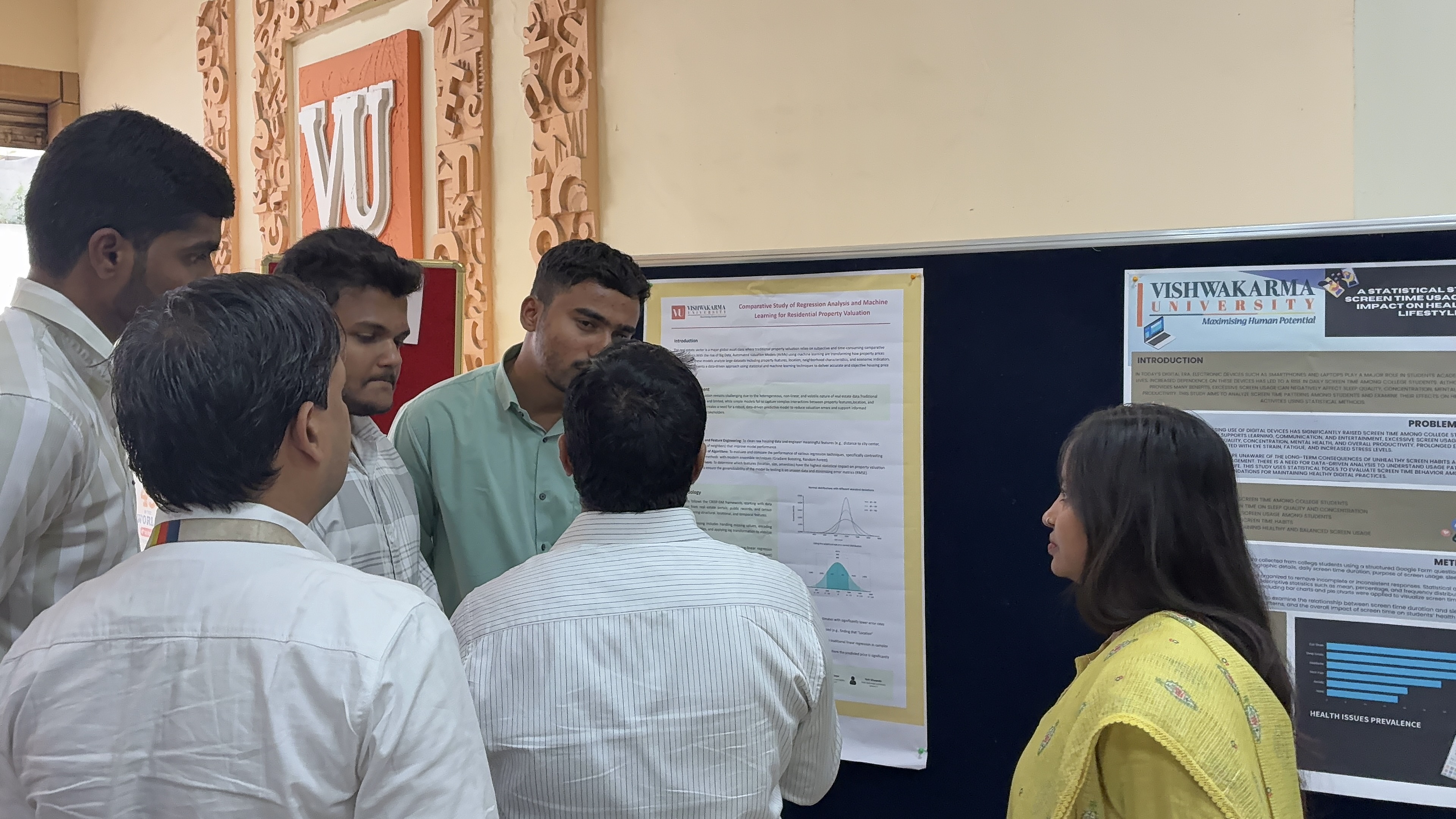
• To provide exposure to diverse co-curricular and extracurricular activities Participation A total of around 136 students actively participated in the programme. Students from different classes and academic backgrounds were involved, demonstrating great enthusiasm and commitment throughout the event. The high level of participation reflected the relevance and appeal of the planned activities.
Details of Activities Conducted
As per the programme flyer, the event included multiple activities, ensuring balanced engagement for all participants. These activities were broadly categorized as follows:
• Academic and Knowledge-Based Activities:
The poster presentation competition was designed to strengthen subject understanding, logical thinking and analytical abilities.
• Creative Activities:
The short film competition was organised to give students an opportunity to showcase their creativity, artistic talent and subject awareness.
• Skill-Oriented Activities:
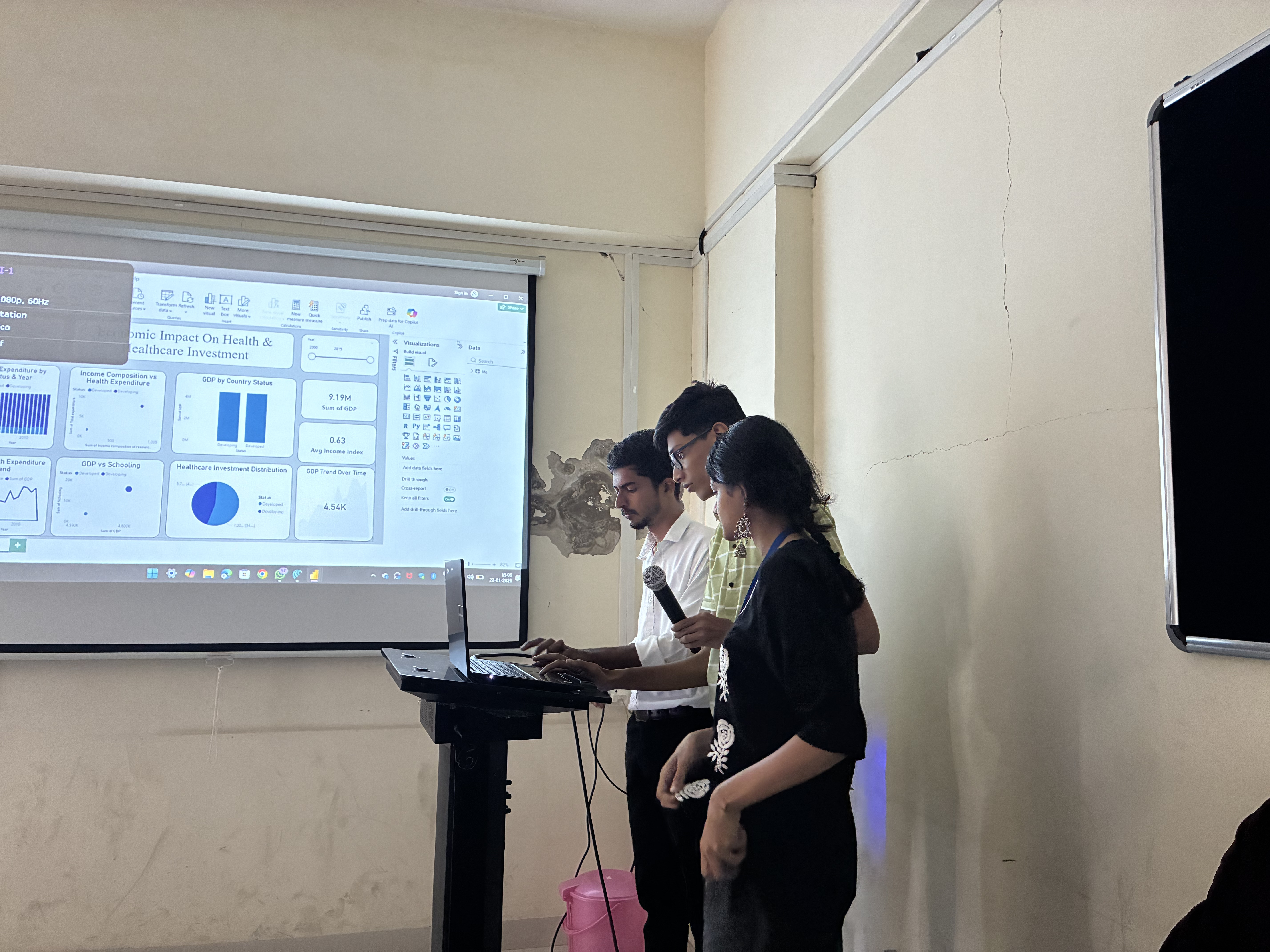
The dashboard competition was conducted under skill-oriented activities to develop communication skills, leadership, teamwork and time management.
• Interactive and Team-Based Activities:
A quiz competition was conducted to promote collaboration, coordination, and healthy competition among students.
Each activity was conducted according to the planned schedule and was supervised by faculty members and coordinators to ensure smooth execution.
Student Involvement and Response
Students showed keen interest and active involvement in all the activities. Their enthusiastic participation, discipline and cooperative attitude contributed significantly to the success of the
programme. The event created a positive and energetic learning environment and encouraged students to step out of their comfort zones.
Outcome of the Programme
• Enhanced student engagement and confidence
• Improved teamwork and interpersonal skills
• Exposure to practical learning experiences
• Strengthened student–faculty interaction
• Overall enrichment of student’s academic and personal development
Conclusion
The programme was successfully conducted as per the plan outlined in the programme flyer. With the active participation of approximately 136 students, the event achieved its intended objectives. The diverse range of activities provided a meaningful and enriching experience,making the programme both impactful and memorable.
Dear Sir/Madam,
Basic Event Details
Event Title: 5 DAYS BOOTCAMP ON ARTIFICIAL INTELLIGENCE
Event Date & Day: 02 nd - 06 th February 2026 (Monday to Friday)
Time: 10:00 AM to 6:00 PM
Department Name: Faculty of Science & Technology, Vishwakarma University, Pune
Venue: VU2 Building, Vishwakarma University, Pune
Mode: Offline
Organizing Team
Convenor:
Dr. Kailas Patil
Dean, Faculty of Science & Technology
Vishwakarma University, Pune
Co-Convenor:
Dr. Pavitha Nooji
Associate Dean, Faculty of Science & Technology Vishwakarma University, Pune
Prof. Jayendra Jadhav
Department of Artificial Intelligence
Faculty of Science & Technology
Vishwakarma University, Pune
About the Program
The Artificial Intelligence Bootcamp was organized under the FutureSkills PRIME initiative in collaboration with C-DAC Pune. The program aimed to strengthen technical competencies and promote responsible AI practices among undergraduate students.The bootcamp was designed with a learn-by-doing approach. Each concept was supported with practical laboratory sessions to ensure immediate application of knowledge. The curriculum covered Python programming, data handling, visualization, machine learning, deep learning, computer vision, natural language processing, Generative AI, Explainable AI, Ethical AI, and Responsible AI
Day-wise Schedule, Overview & Procedures
Day 1: Introduction to AI and Python Basics
The bootcamp commenced with an introduction to Artificial Intelligence, its evolution, and its applications across industries. Participants were introduced to Python programming fundamentals including variables,data types, loops, and functions. Practical sessions allowed students to write basic programs and understand data manipulation techniques.
Day 2: Data Visualization and Machine Learning
The second day focused on data preprocessing, exploratory data analysis, and visualization techniques. Students learned about supervised and unsupervised learning algorithms. Hands-on implementation of regression and classification models enabled students to understand model training, testing, and evaluation metrics.
Day 3: Deep Learning
Day three introduced neural networks, activation functions, and backpropagation concepts. Participants worked on deep learning models using structured datasets. Practical implementation enhanced understanding of layers, loss functions, and optimization techniques.
Day 4: Computer Vision and Natural Language Processing
Students explored image processing fundamentals and computer vision applications. NLP sessions covered text preprocessing, tokenization, and sentiment analysis. Laboratory exercises included implementing basic image classification and text analysis tasks.
Day 5: Advanced NLP and Ethics in AI
The final day covered advanced NLP concepts, introduction to transformer models, and Generative AI. Special emphasis was placed on Explainable AI, Ethical AI, and Responsible AI practices. Students discussed bias, fairness, transparency, and responsible deployment of AI systems.The bootcamp concluded with interactive discussions, feedback collection, and acknowledgment of resourcepersons from C-DAC Pune.
Outcome
Event Highlights (Photographs)
.jpeg)
.jpeg)
.jpeg)
.jpeg)
.jpeg)
.jpeg)
Objective:
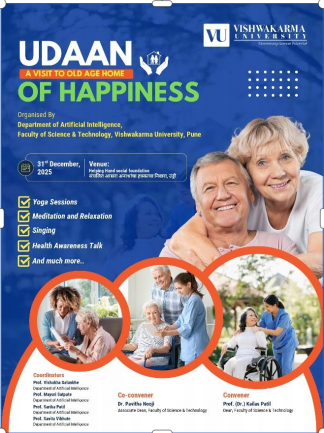
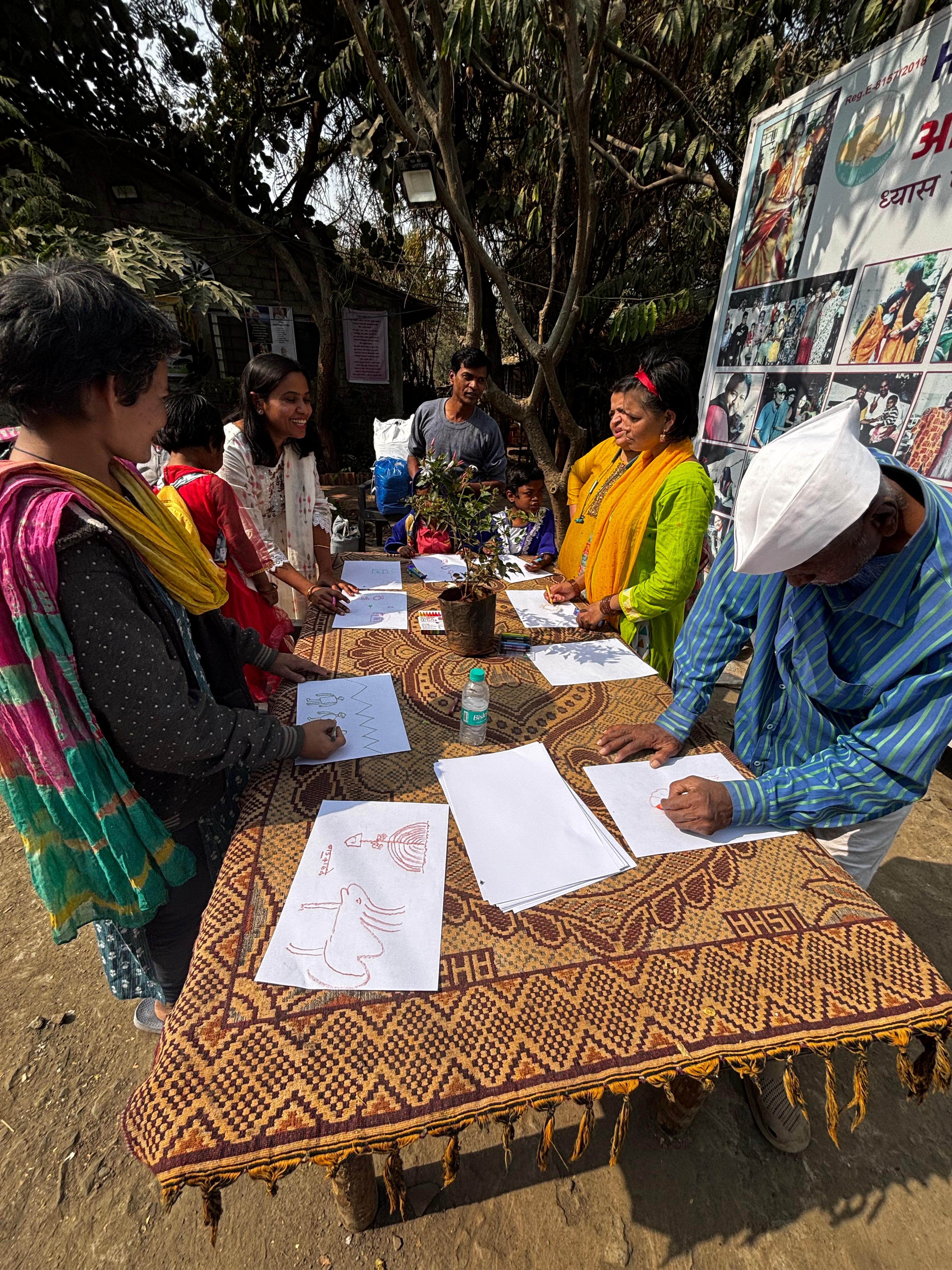
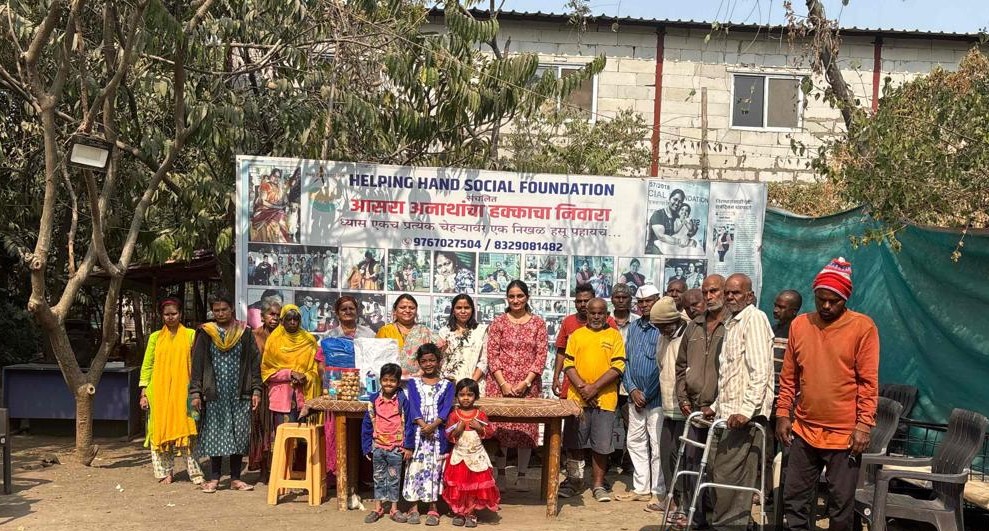
The visit aimed to instil a sense of social responsibility, empathy, and community engagement among students. By interacting with senior citizens, students were encouraged to appreciate the value of compassion, respect, and care for the elderly. The activity also sought to bridge generational gaps, foster emotional intelligence, and highlight the importance of contributing positively to society beyond academic learning.
Date: 31st December2025
Venue: Aasara Ashram, Undri, Pune
Participants:
Organizers:
Conveners:
o Prof. (Dr.) Kailas Patil, Dean, Faculty of Science & Technology
Co-Convener:
o Dr. Pavitha Nooji, Head, Department of Artificial Intelligence
Faculty Coordinator:
o Prof. Vishakha Salunkhe (Assistant Professor, AI dept)
o Prof. Mayuri Satpute (Assistant Professor, AI dept)
o Prof. Savita Vibhute (Assistant Professor, AI dept)
o Prof. Sarika Patil (Assistant Professor, AI dept)
Activities included:
Outcomes
Students developed a deeper appreciation for social responsibility and community service.
The visit strengthened interpersonal skills, emotional intelligence, and teamwork.
It created lasting memories for both students and residents, leaving a positive impact on the community.
The initiative aligned with Vishwakarma University’s vision of producing socially conscious graduates who contribute meaningfully to society.
Session Photos:
.jpeg)
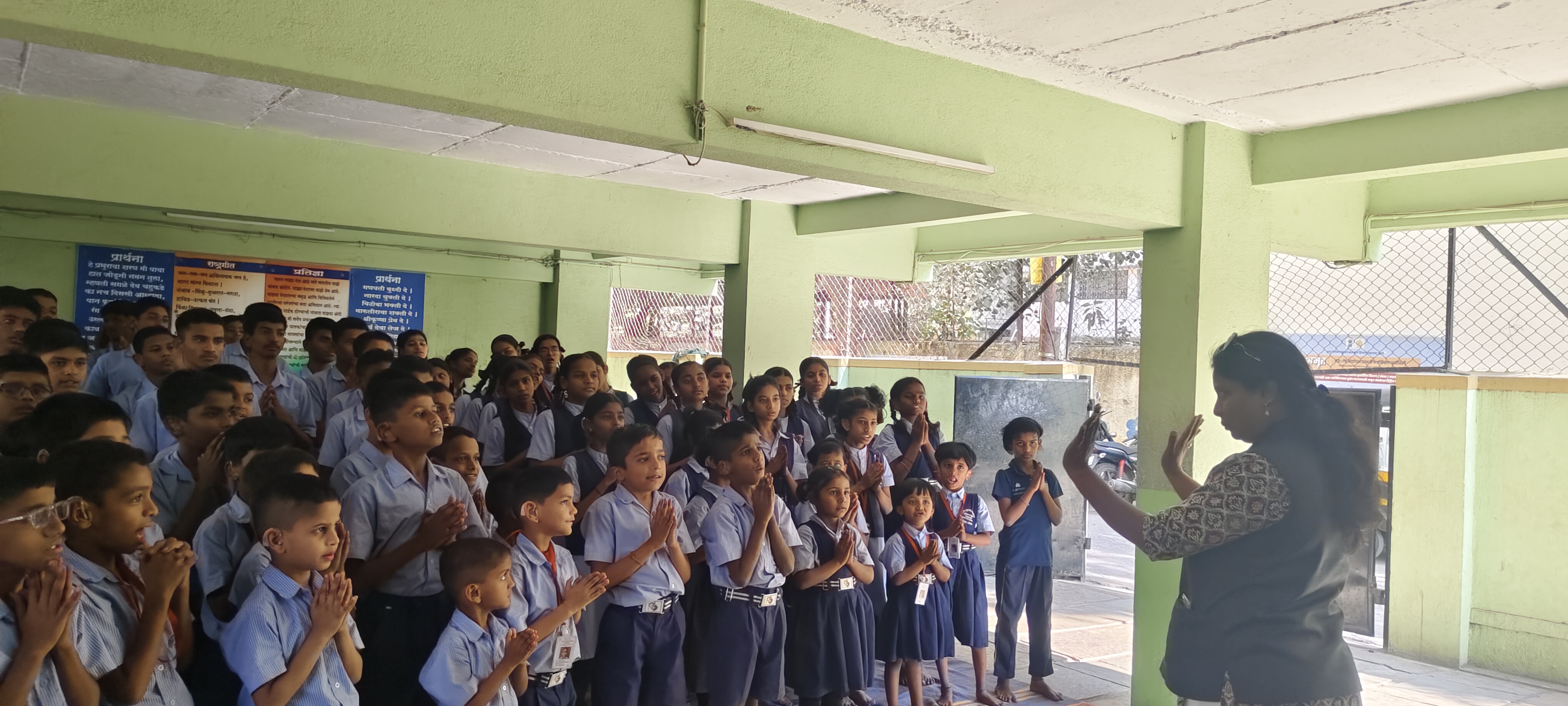
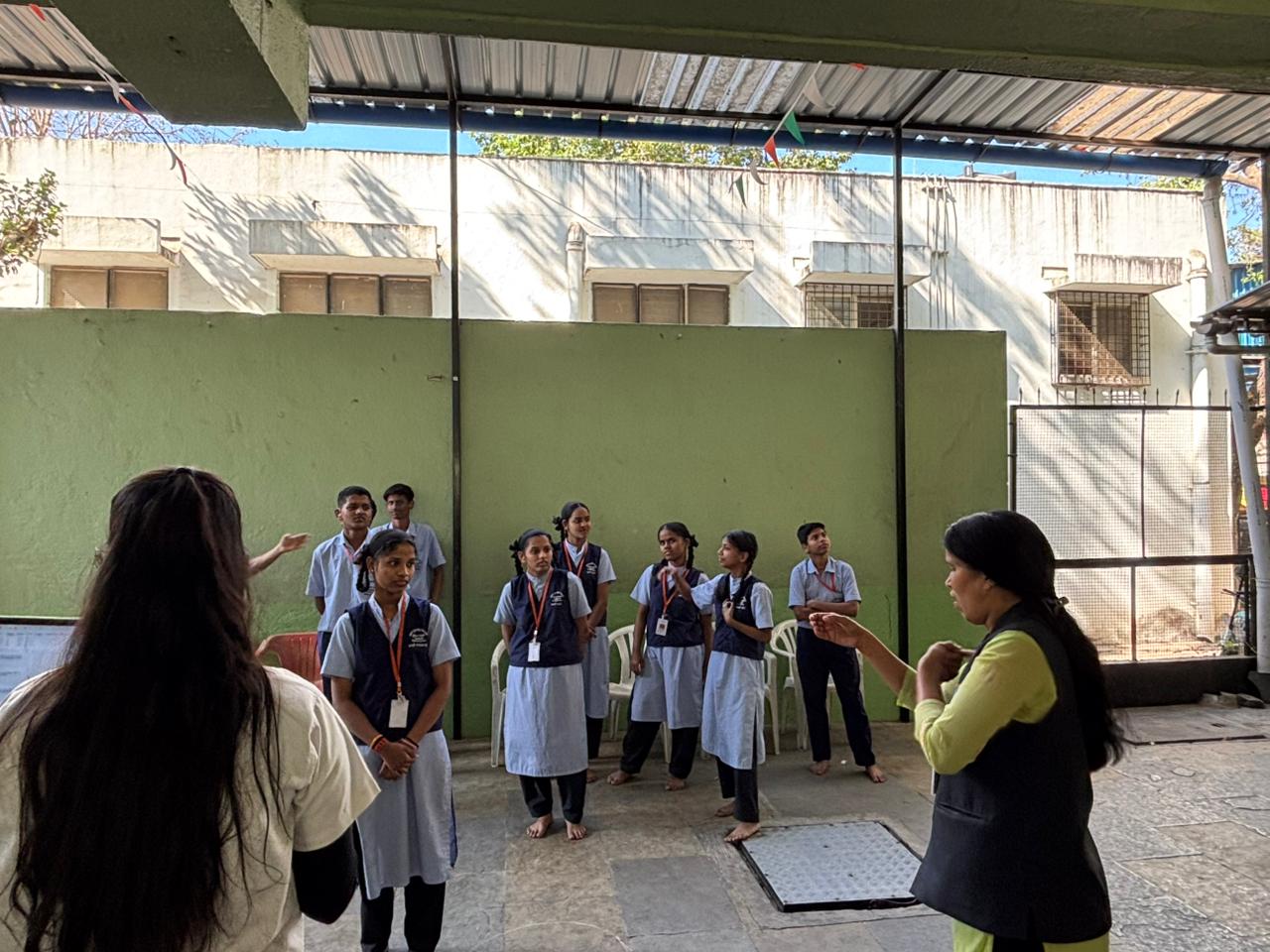
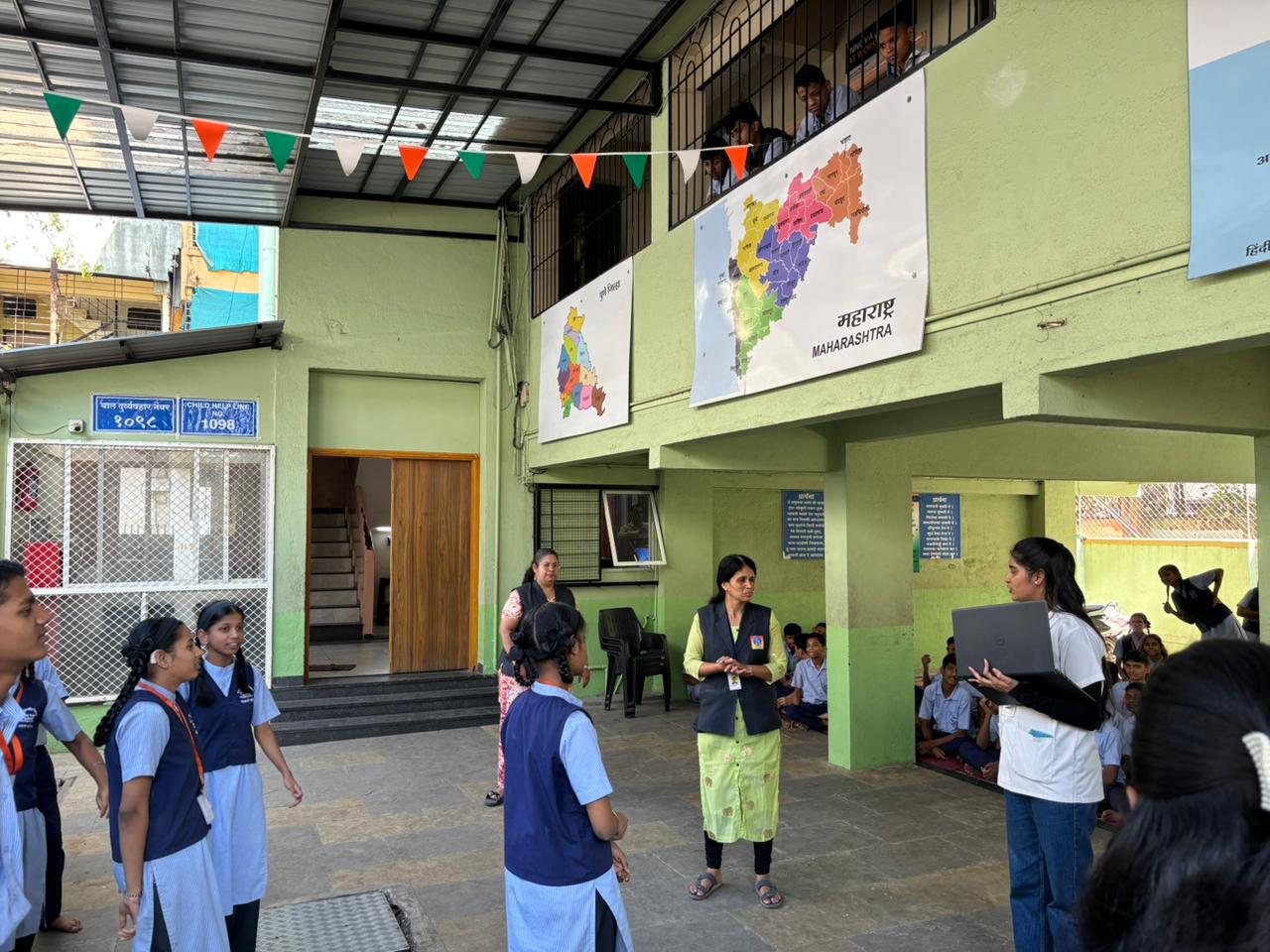
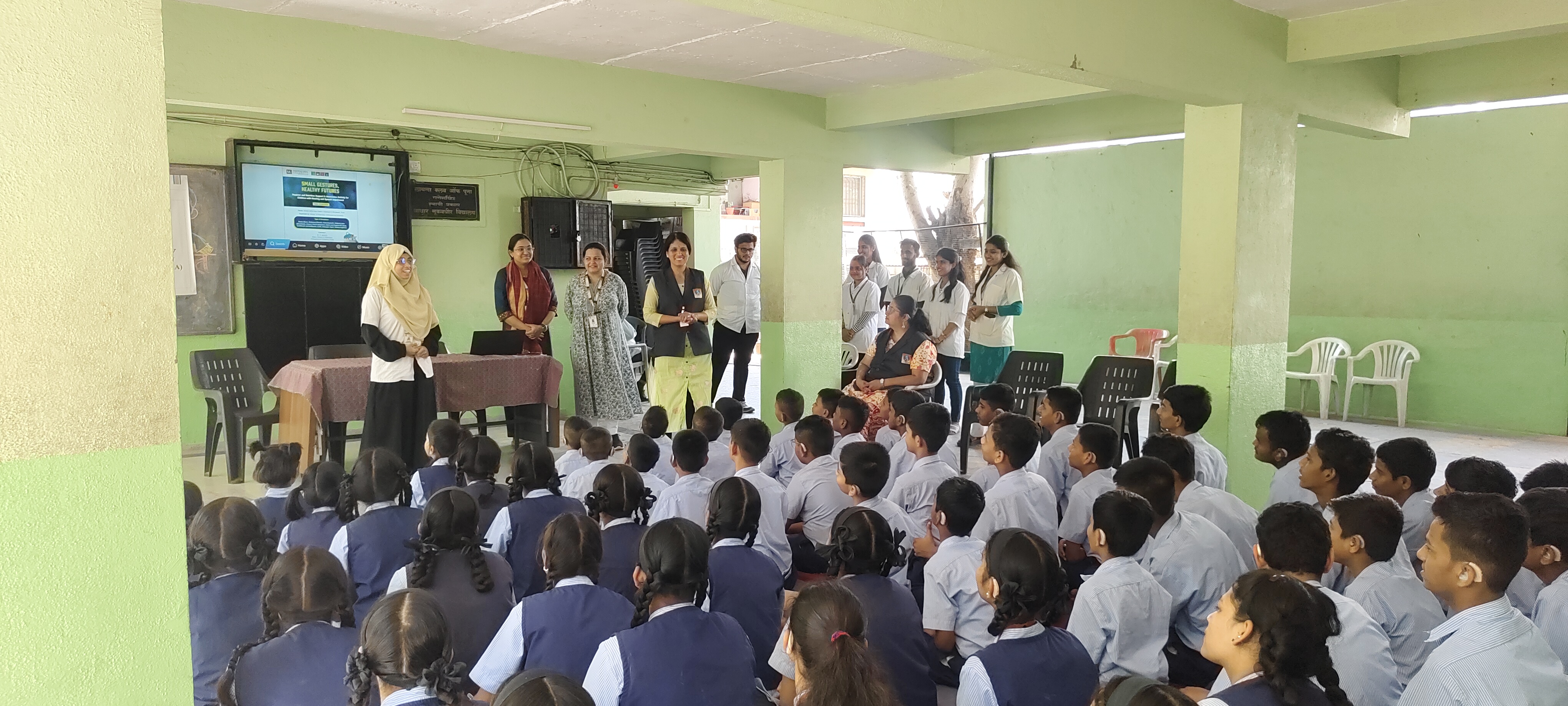
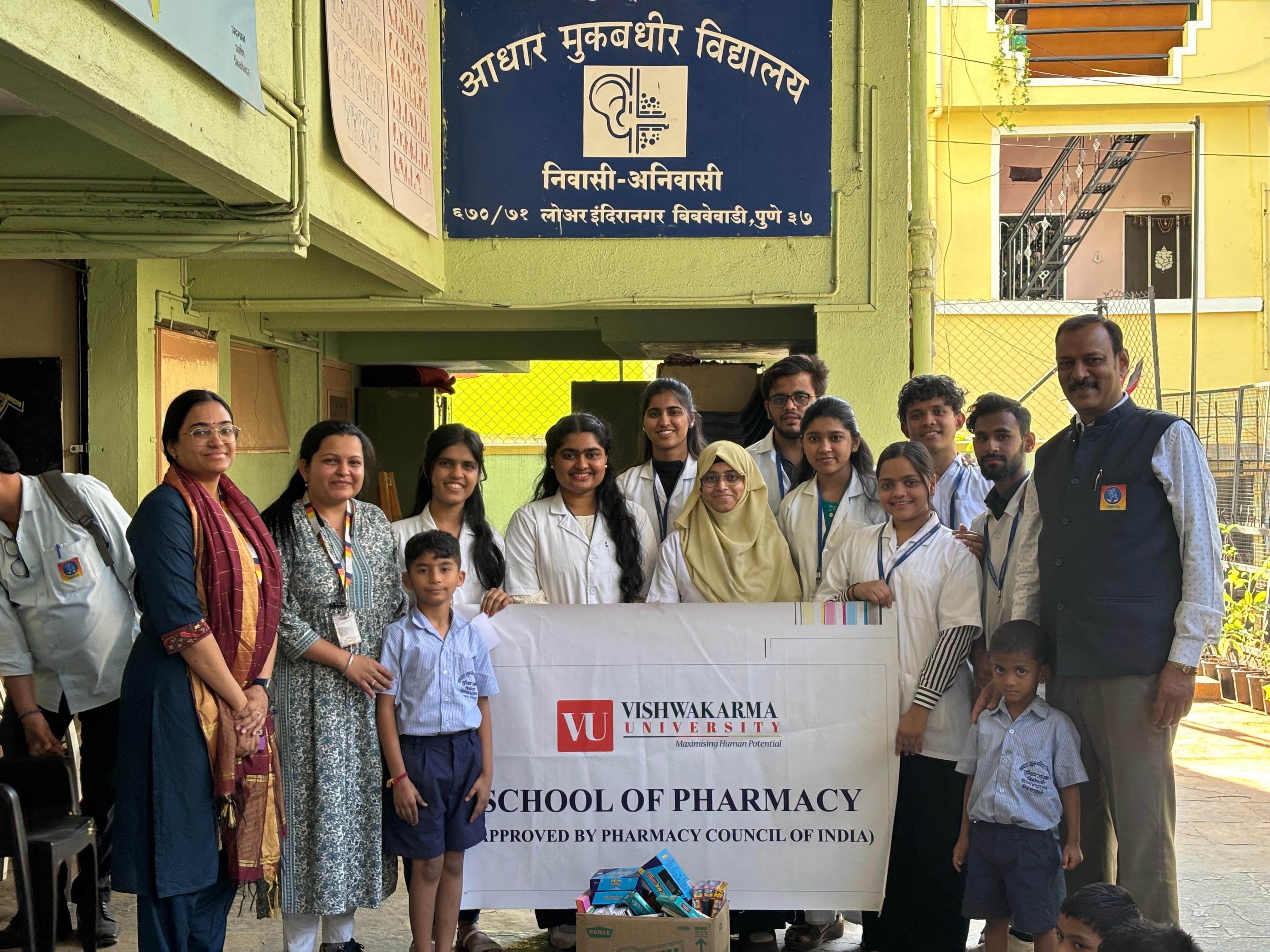
On 27 February 2026, the School of Pharmacy, Vishwakarma University, Pune, conducted a meaningful extension activity titled “Small Gestures, Healthy Futures – Hygiene and Nutrition Support & Awareness Activity” at Niwasi Adhar Muk Badhir Vidyalaya, Bibwewadi, Pune, a residential school for children with hearing and speech impairment. The initiative was designed to promote awareness about personal hygiene, nutrition, and healthy lifestyle practices among children with special needs while strengthening the institution’s commitment to community-oriented education and social responsibility. During the activity, faculty members and pharmacy students engaged with the children through visual demonstrations, interactive sessions, and simple communication methods, ensuring that key health messages were conveyed in an understandable and engaging manner. The session focused on the importance of hand hygiene, oral care, personal cleanliness, and balanced nutrition in maintaining overall well-being. To make the learning experience enjoyable and inclusive, fun and activity-based games related to hygiene and healthy habits were also organized, which the children enthusiastically participated in and greatly enjoyed. These games not only created a joyful atmosphere but also helped reinforce important health concepts in a playful and memorable way. As part of the extension activity, hygiene kits and educational stationery were distributed to support the children’s daily hygiene and educational needs. The initiative also provided pharmacy students with valuable exposure to real-world community engagement, inclusive communication, and service- oriented learning. Overall, the activity served as a meaningful effort toward promoting health awareness, inclusivity, and compassion, demonstrating how small gestures can contribute to building healthier and happier futures for children with special needs. The initiative was thoughtfully designed and coordinated by Dr. Dipali Talele and Prof. Yogita Shinde, who guided the students in conductinginteractive awareness sessions and fun-based learning activities for the children.

NAVIGATION
QUICK LINKS
PROGRAMMES
CONTACT US
Only for Students
+91 9590300911Only for Faculties
+91 8669908316Copyright © Vishwakarma University, Pune 2026 All rights reserved..
[Best viewed in IE 10+, Firefox, Chrome, Safari, Opera.]
Powered by