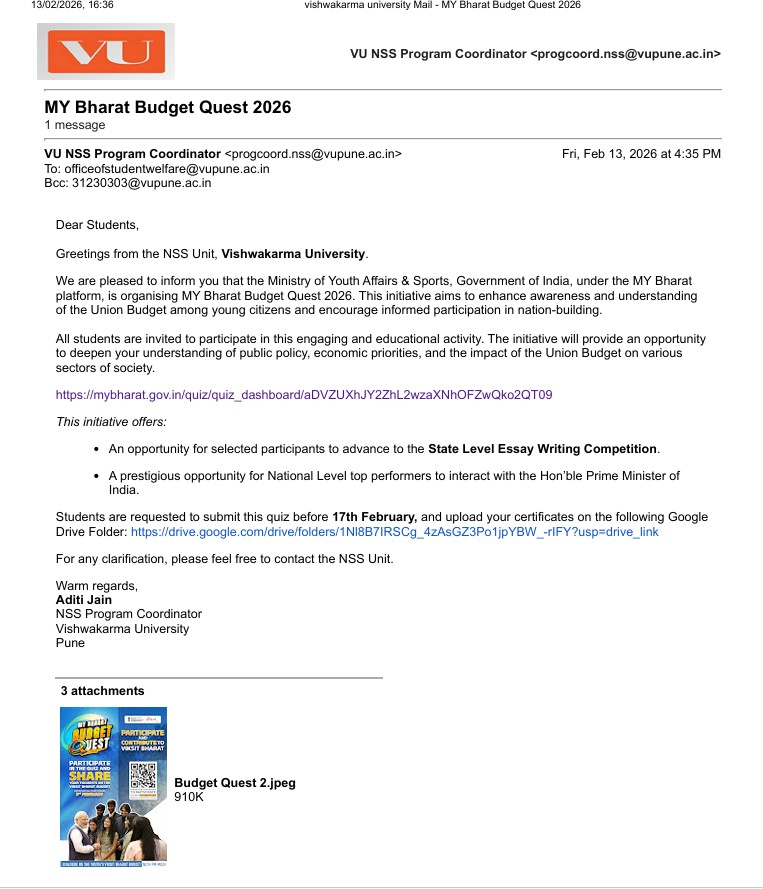
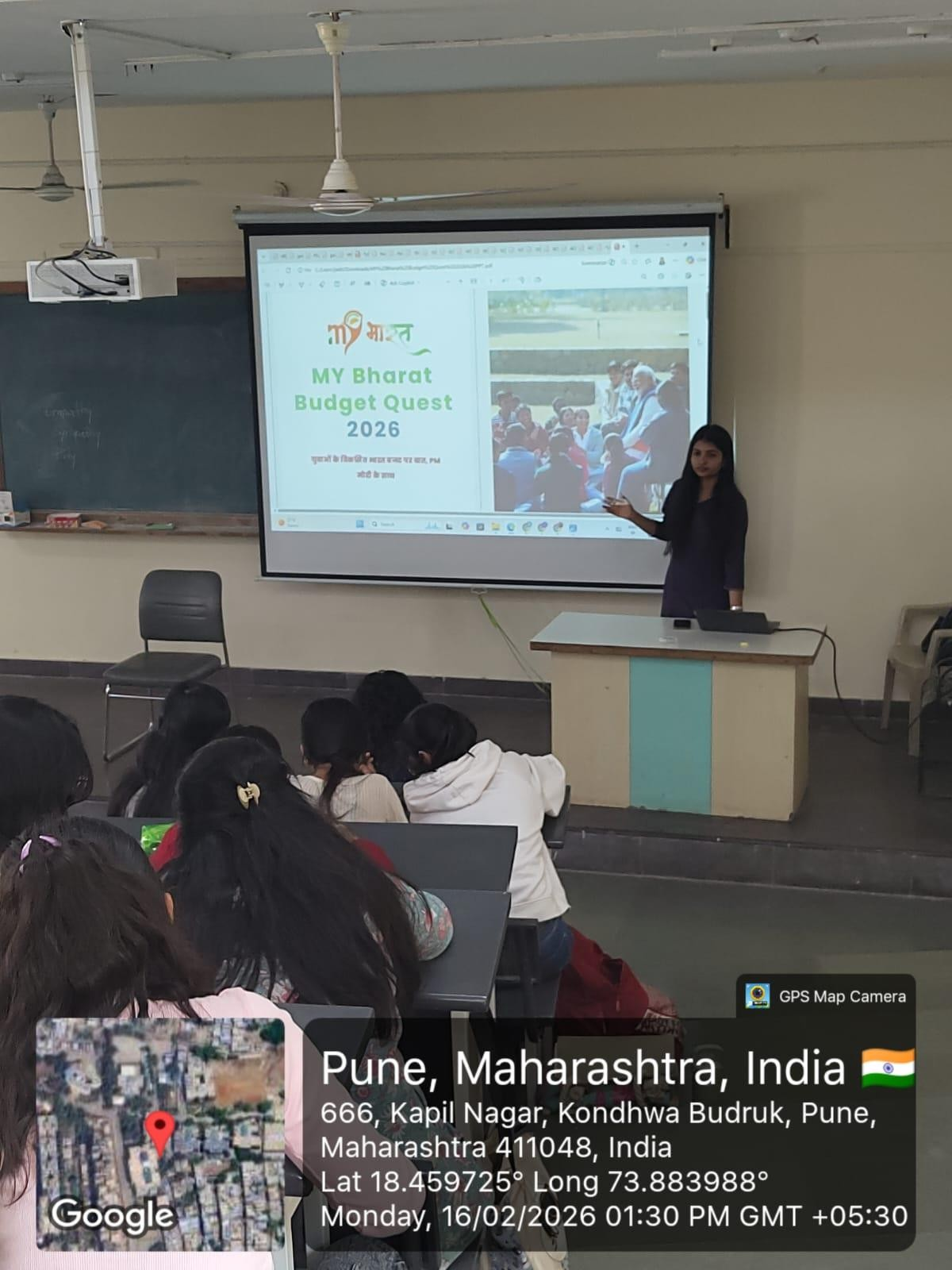
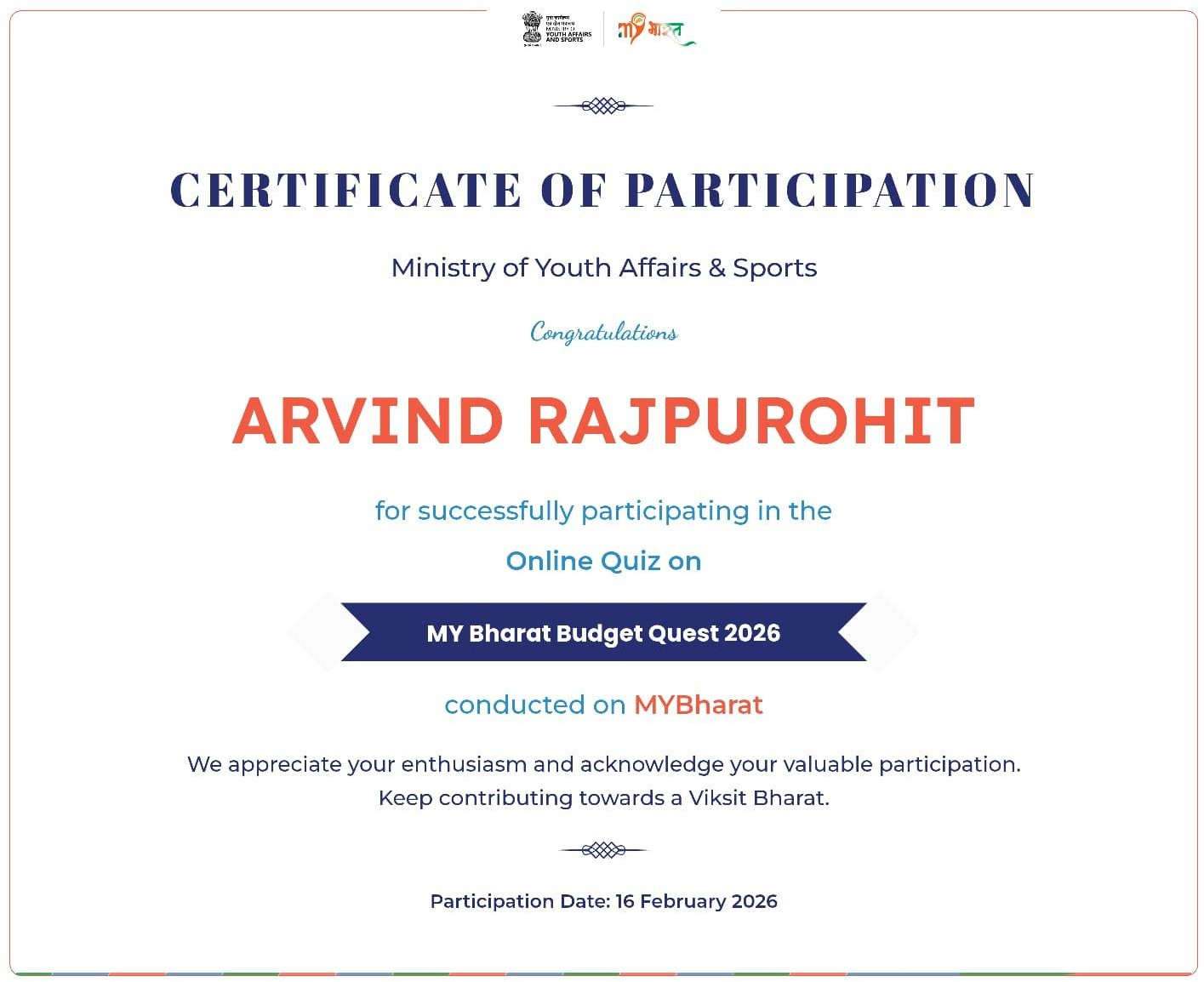
Name of the Program: MY Bharat Budget Quest 2026
Date: 13th February 2026
Venue: Online (MY Bharat Platform)
Organized by: NSS Unit, Vishwakarma University, Pune
Objective of the Program
The objective of the program was to enhance awareness and understanding of the Union Budget among students and encourage informed participation in nation-building initiatives. The activity
aimed to familiarize participants with public policy, economic priorities, governance, and the role of citizens in the developmental process of the country.
Details of the Program
The NSS Unit of Vishwakarma University encouraged students to participate in the MY Bharat Budget Quest 2026, an initiative organized under the Ministry of Youth Affairs and Sports,
Government of India, through the MY Bharat platform. Information regarding the quest was circulated among students, and interested participants were guided through the registration and participation process. The online activity focused on various aspects of the Union Budget, including government expenditure, economic development, welfare
schemes, fiscal planning, and national priorities.
A total of 2 NSS Volunteers coordinated the activity and facilitated participation, while more than 30 students actively took part in the quest. Participants were also informed about further opportunities associated with the initiative, including state-level essay competitions and national-
level recognition.
The activity served as an educational platform that encouraged students to engage with contemporary economic and governance-related issues while developing awareness about public
policy and financial planning.
Outcomes of the Program
• Enhanced awareness among students regarding the Union Budget and its impact on society.
• Encouraged informed participation in public policy and governance-related discussions.
• Improved understanding of economic planning, welfare schemes, and national development priorities.
• Promoted civic responsibility and active citizenship among participating students.
SDG Alignment
SDG 4 – Quality Education: The activity promoted financial literacy, public policy awareness, and informed learning among students.
SDG 16 – Peace, Justice and Strong Institutions: The program encouraged understanding of governance systems and responsible citizen participation in democratic processes.
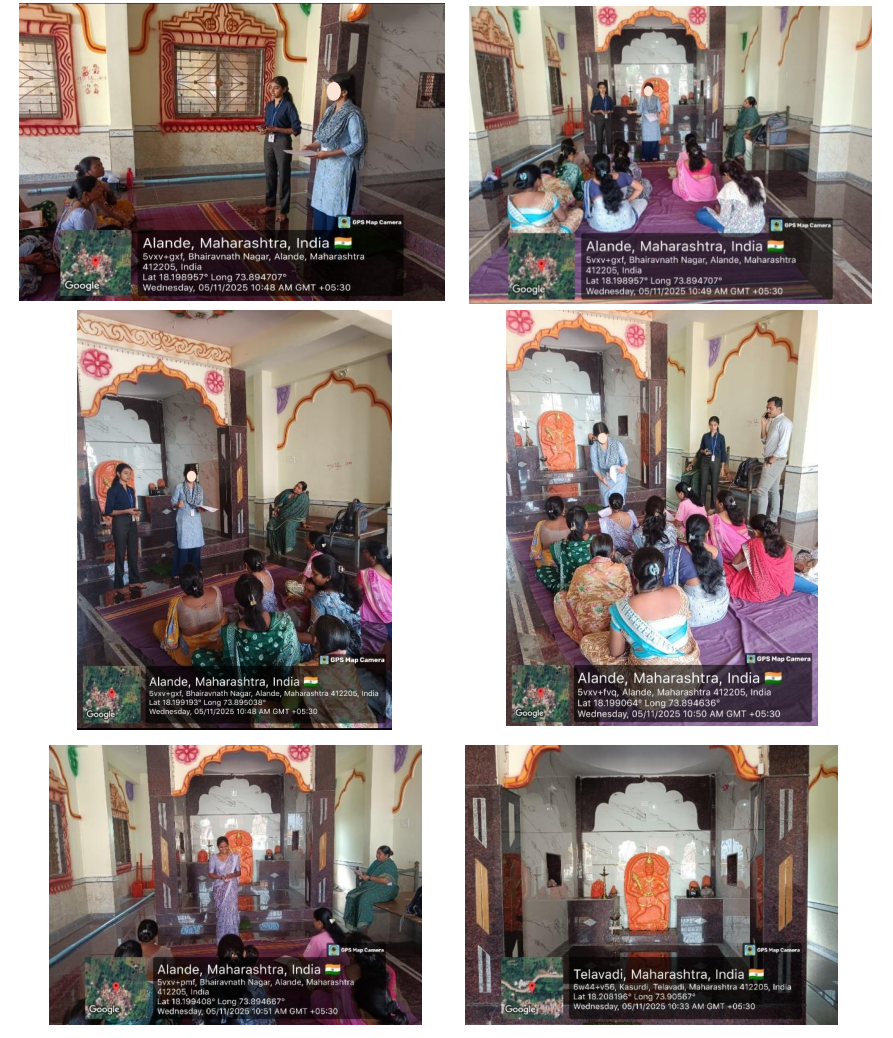
Name of the Program: Jan Kalyan Scheme Awareness Session – Alandewadi
Date: 5th November 2025
Venue: Alandewadi, Bhor
Organized by: NSS Unit, Vishwakarma University, Pune
Objective of the Program
The objective of the program was to educate rural residents about various government welfare schemes and public assistance programs available for healthcare, social security, financial
support, and livelihood development. The activity aimed to improve awareness and encourage greater utilization of welfare initiatives among community members.
Details of the Program
The NSS Unit of Vishwakarma University organized a Jan Kalyan Scheme Awareness Session at Alandewadi, Bhor, to disseminate information regarding important government welfare schemes. The session focused on programs such as E-Shram Yojana, Ayushman Bharat Yojana, Niradhar Yojana, Vidhwa Pension Scheme, and other social assistance initiatives intended to support vulnerable sections of society.
During the session, the volunteers explained the objectives, benefits, eligibility requirements, and application procedures associated with each scheme. Community members were encouraged to discuss their concerns and seek clarification regarding documentation and enrollment processes. A total of 2 NSS Volunteers conducted the activity and interacted with 14 community participants. The session fostered meaningful engagement and helped bridge the information gap between government welfare programs and rural beneficiaries.
The activity contributed towards strengthening awareness, accessibility, and informed participation in social welfare initiatives at the grassroots level.
Outcomes of the Program
• Enhanced awareness regarding government welfare and social assistance schemes among participants.
• Improved understanding of enrollment procedures, eligibility criteria, and benefits.
• Encouraged community members to access available public welfare services and benefits.
• Promoted community engagement and informed decision-making regarding social development opportunities.
SDG Alignment
SDG 1 – No Poverty: The activity highlighted schemes aimed at improving economic security and social protection.
SDG 3 – Good Health and Well-being: Participants received information regarding healthcare- related welfare programs and services.
SDG 8 – Decent Work and Economic Growth: Awareness regarding employment and livelihood-related schemes was promoted.
SDG 10 – Reduced Inequalities: The program improved access to information and opportunities for rural and underserved communities.
Annexures
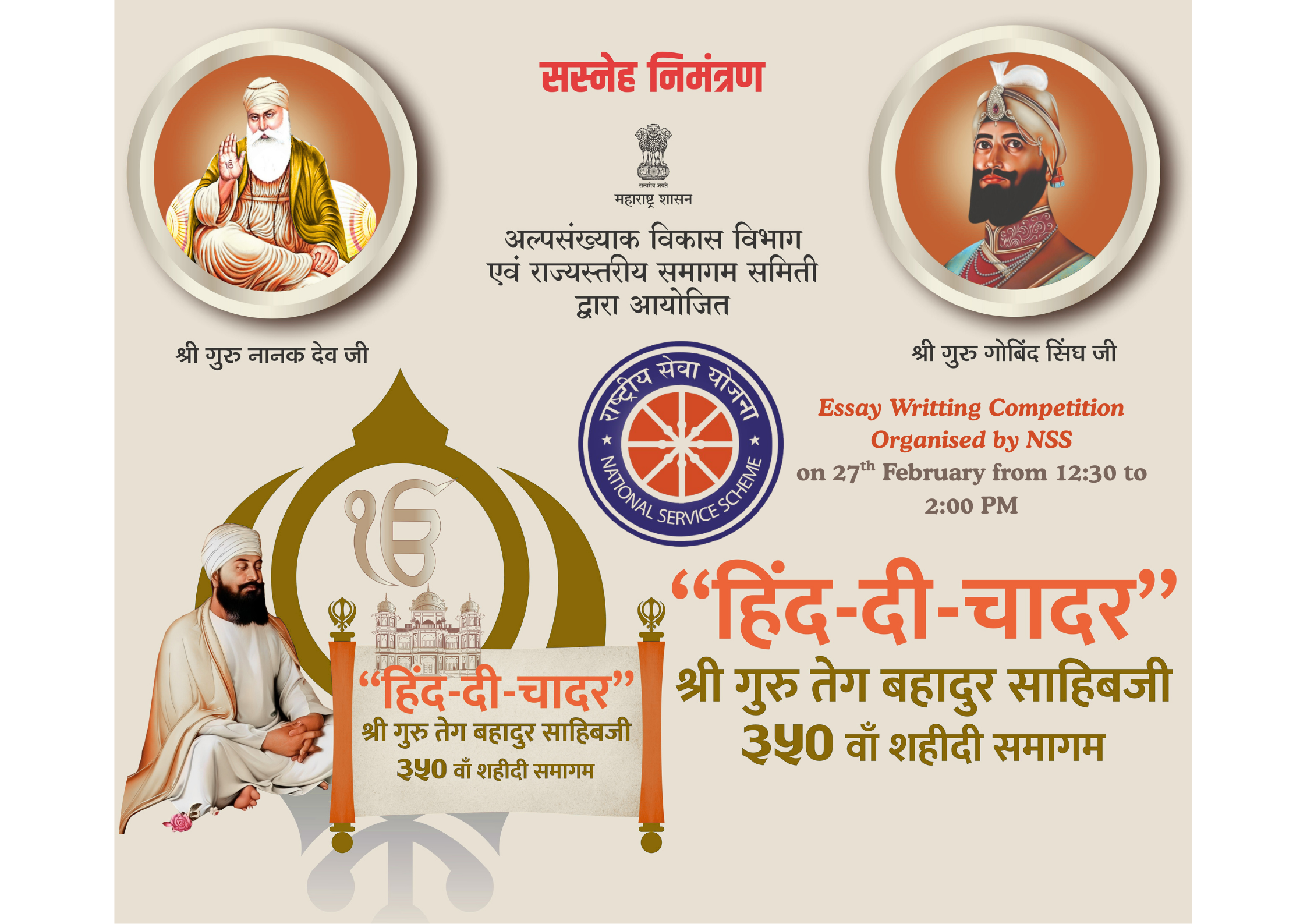
In accordance with the directives issued by the Joint Director of Higher Education, Pune Division (Office Order No. संस/उिश/पुउ व/हद-दी-चादर कायर्क्रम/2026/पुणे
उवभाग, dated 13.02.2026), and subsequent communications from the District Collector Offices, an essay writing competition was organized at the university
level. The event aimed to honor the supreme sacrifice of Sri Guru Tegh Bahadur Sahib Ji and to educate the youth about the enduring values he stood for:
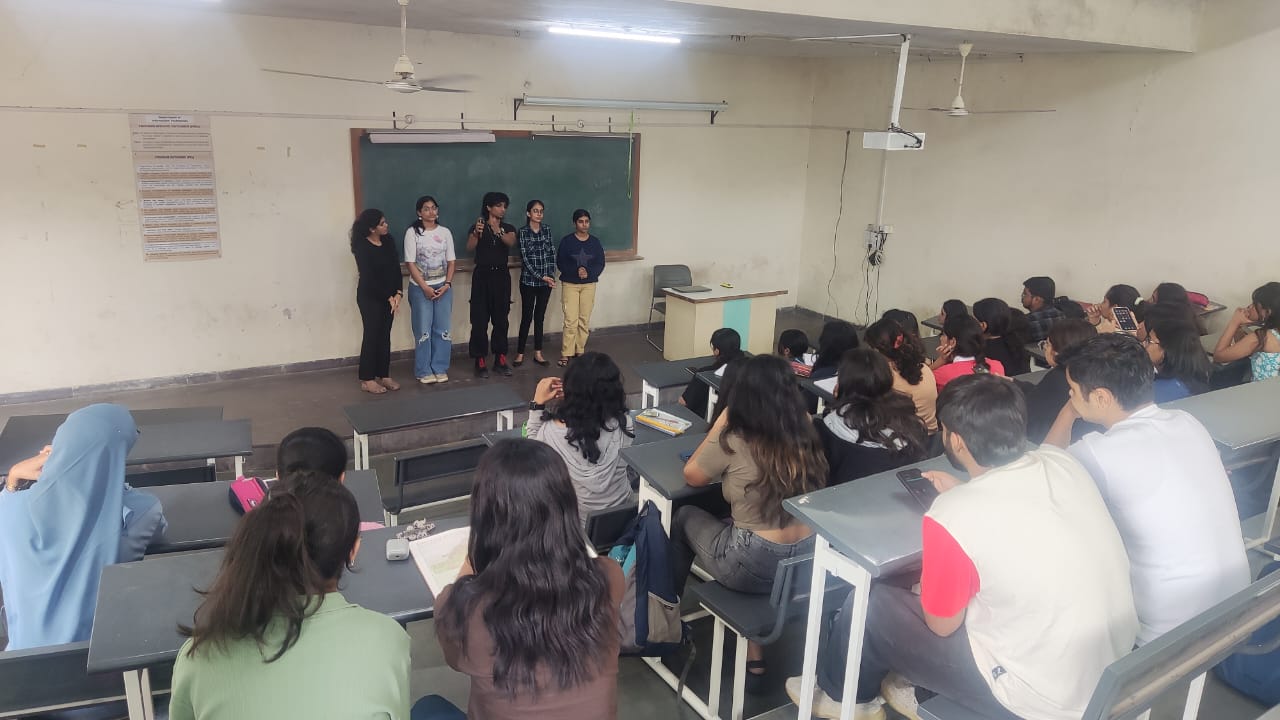
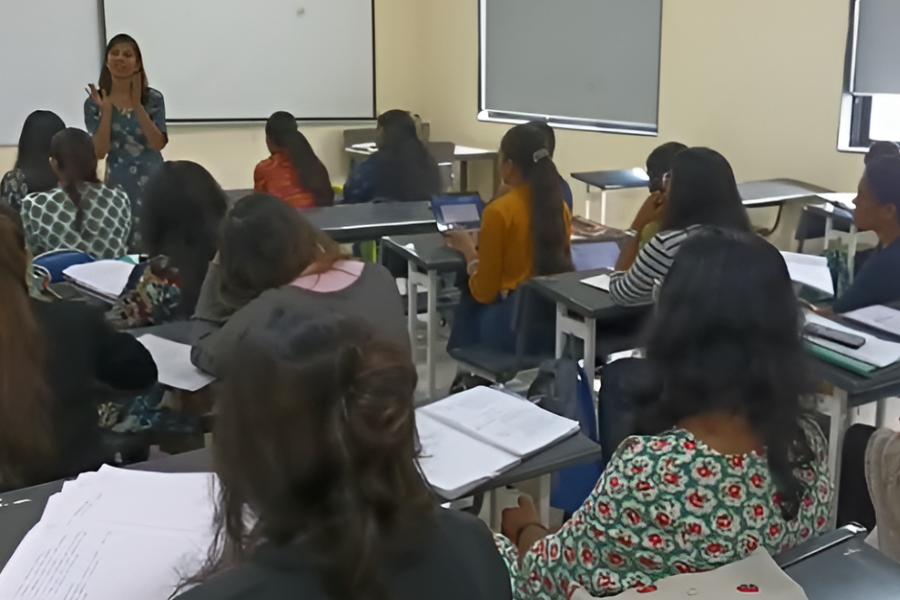
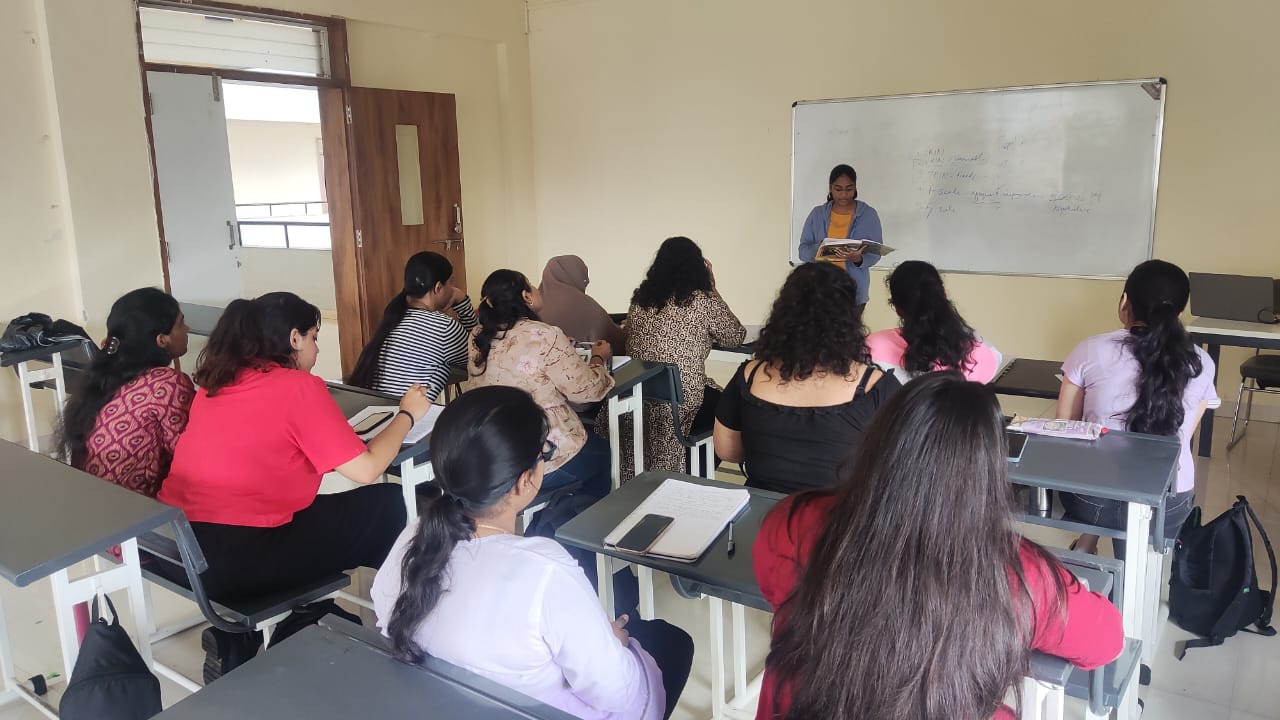
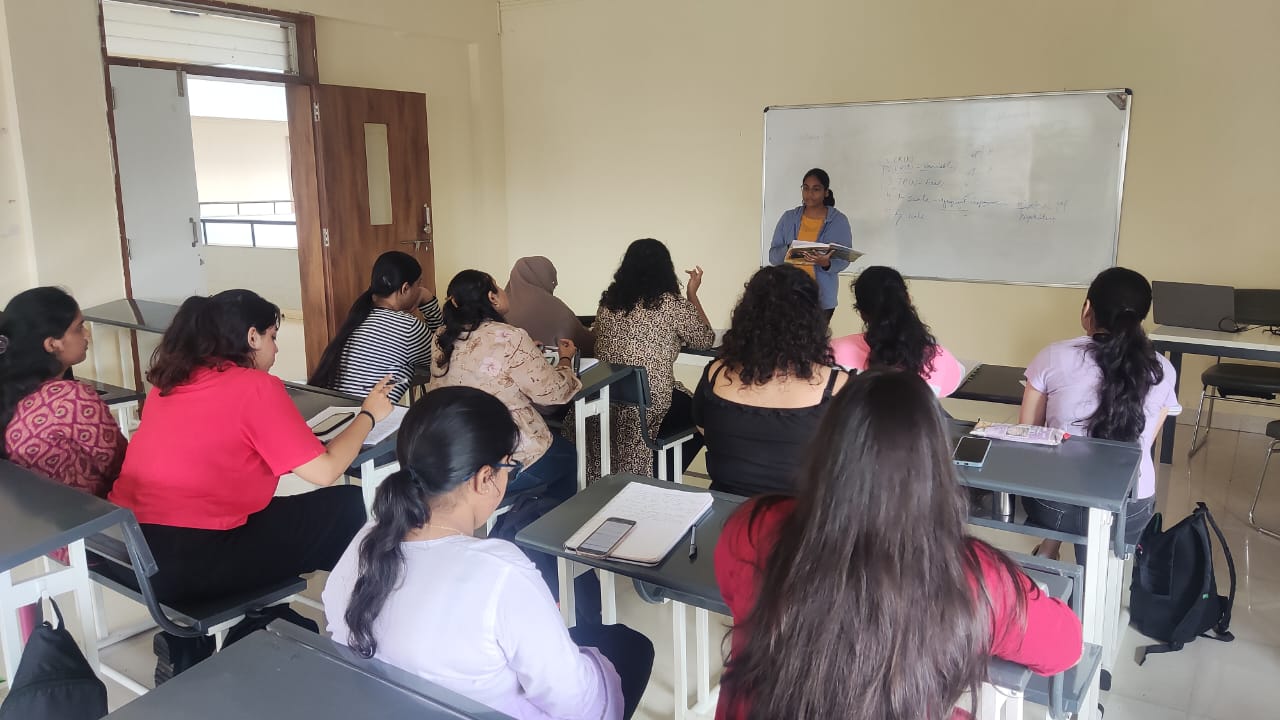
religious freedom, communal harmony, and respect for all faiths. The competition sought to engage students with the legacy of the "Hind-di-Chadar"(Shield of India), a title that reflects his protection of India's cultural andspiritual fabric.Additionally, as part of the broader observance of the 350th MartyrdomCommemoration, Ms. Gauri Bhandari conducted a series of awareness sessions dedicated to the life, teachings, and historical significance of Sri Guru Tegh Bahadur Sahib Ji. These sessions focused on sensitizing students to the themes of religious liberty, interfaith harmony, and constitutional values rooted in tolerance and inclusivity. A total of 45 students participated in these awareness sessions, which further strengthened the university’s commitment to meaningful engagement under the commemorative initiative.
Event Details:
Date: February 27, 2026
Time: 12:30 PM to 2:00 PM
Venue: Classroom 7406, Building 7, Vishwakarma University, Pune.
Participants: 45 postgraduate and undergraduate students from various departments
Students were invited to write an essay in either English or Marathi on one of the following three topics, all centered on the life and teachings of Sri Guru
Tegh Bahadur Ji:
Topic 1: Religious Freedom: "The Concept of 'Hind-di-Chadar': Sri Guru Tegh Bahadur Ji's Defense of Religious Freedom and Its Relevance in Modern India."
Topic 2: Communal Harmony: "Sri Guru Tegh Bahadur Ji's Sacrifice: A Foundation for Communal Harmony and Unity in a Pluralistic Society."
Topic 3: Respect for Diversity: "Learning from the Guru: How Sri Guru Tegh Bahadur Ji's Life Exemplifies Respect for Diversity and Inclusivity."
The essays were judged based on historical accuracy, depth of reflection, clarity of expression, and connection to the contemporary significance of the themes.
The essays powerfully reflected the core themes promoted through the official memorial website. The competition successfully met its objectives, generating thoughtful engagement with the life and legacy of Sri Guru Tegh Bahadur Ji.
The standard of essays was exceptionally high. Following the directive to prepare a list of 5 outstanding students for excellent performance, the following winners were selected:
First Prize: Ms. Vishakha Azad – Essay on "Ethics and Communal Harmony
Second Prize: Ms. Preeti Prasad – Essay on "Respect for Intercultural Diversity
Third Prize: Mr. Neil Tiwari – Essay on "Interreligious Freedom among youth
Consolation Prizes
Ms. Sharvari Wagholikar – Essay on "Religious Freedom and Indian philosophies"
Ms. Aashi Shukla – Essay on "Hind-di-Chadar: A Symbol of Unity"
Aditi Jain
NSS Program Coordinator
Vishwakarma University, Pune
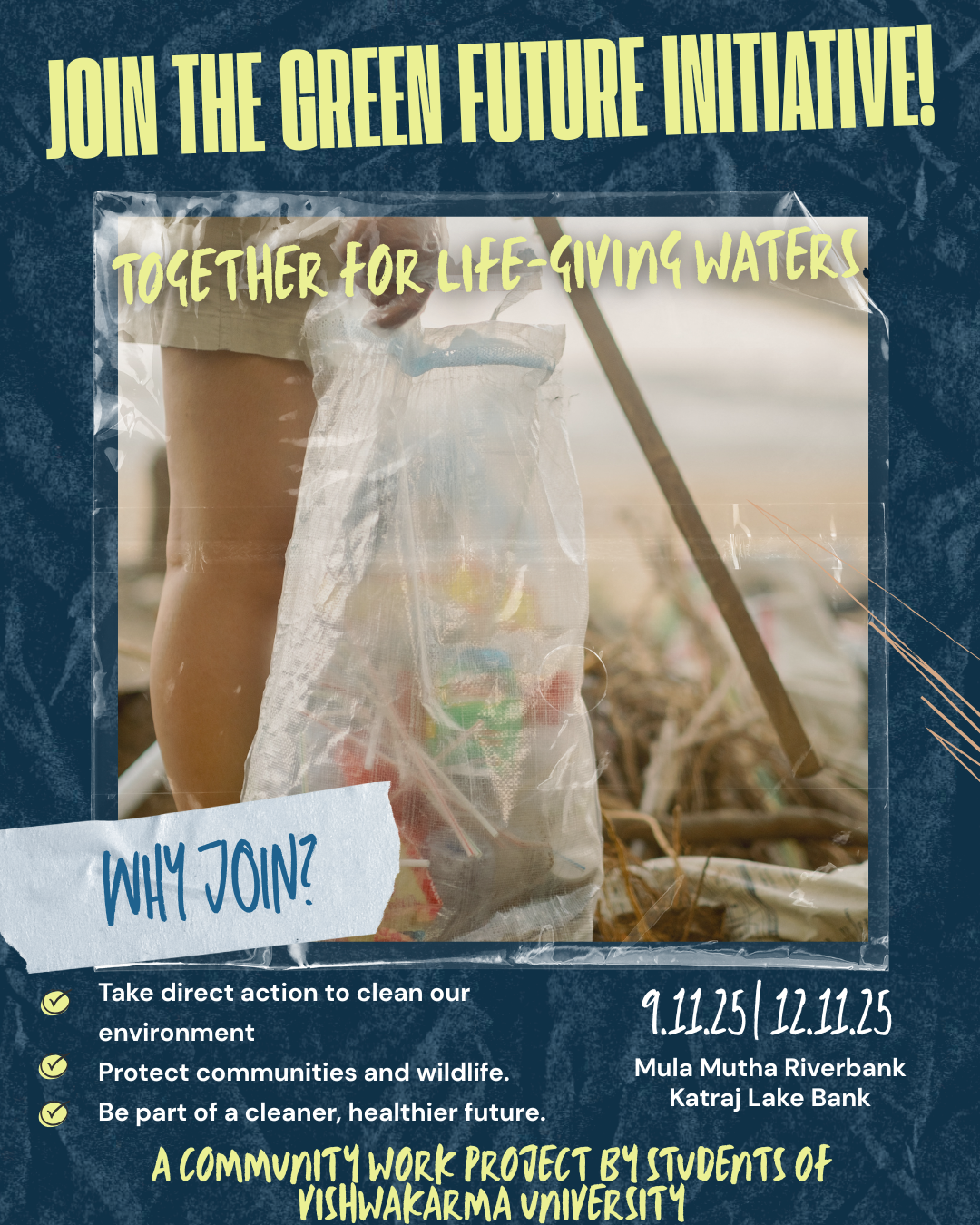
Name of the Program: Green Future Initiative – Mula Mutha Riverbank Clean-up Drive
Date: 9th November 2025
Venue: Mula Mutha Riverbank, Pune
Organized by: NSS Unit, Vishwakarma University, Pune
Objective of the Program
The objective of the program was to promote environmental sustainability and community responsibility through active participation in riverbank cleaning activities. The initiative aimed to
reduce pollution, encourage proper waste management practices, and raise awareness regarding the importance of protecting natural water bodies.
Details of the Program
The NSS Unit of Vishwakarma University organized the Green Future Initiative – Mula Mutha Riverbank Clean-up Drive as part of its commitment towards environmental conservation and
sustainable community engagement.
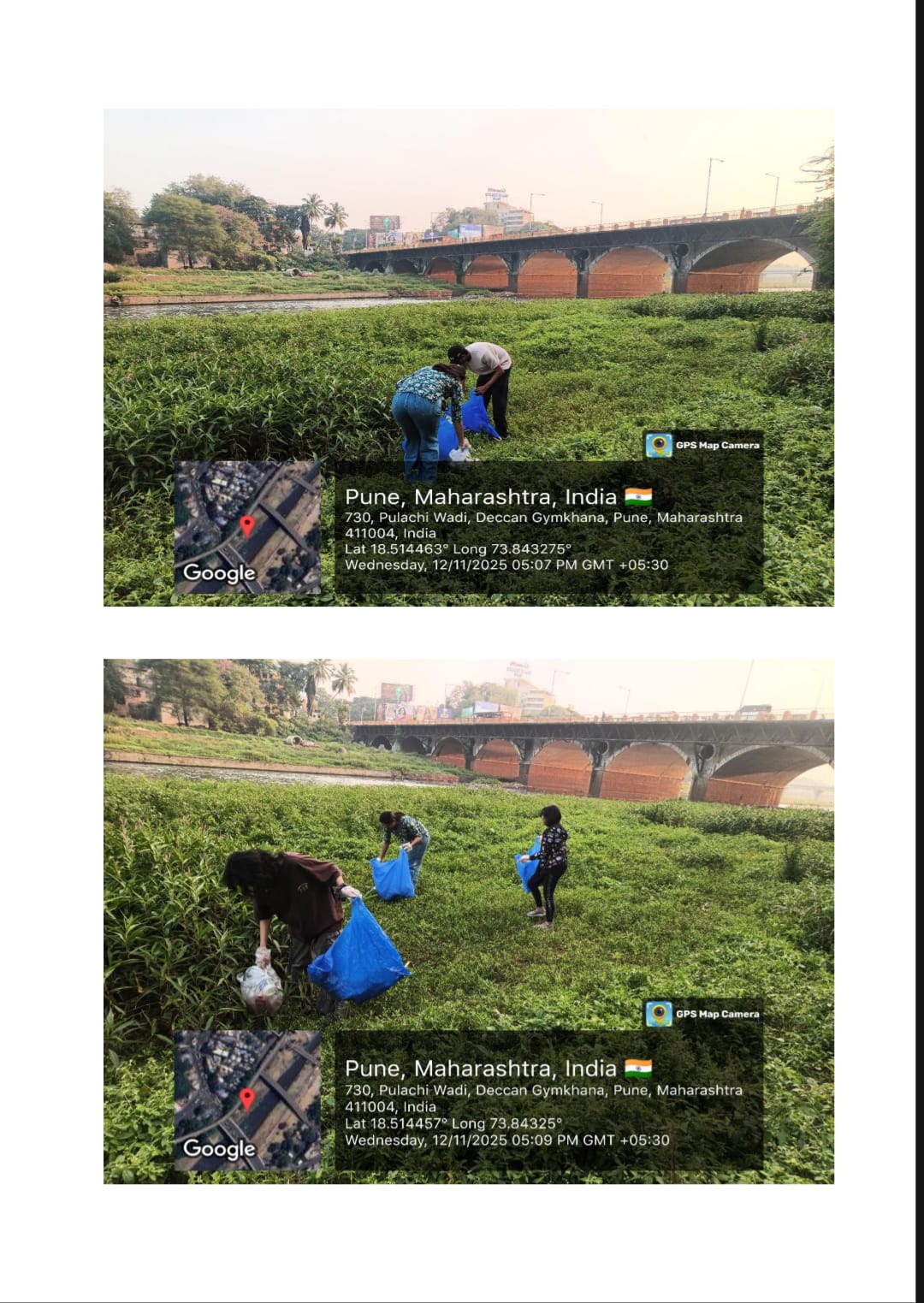
The activity involved the collection and segregation of waste from selected stretches of the Mula Mutha Riverbank. Volunteers worked together to remove plastic waste, non-biodegradable
materials, and litter that had accumulated in the surrounding area. The collected waste was segregated to facilitate proper disposal and recycling practices.
During the activity, volunteers also interacted with local residents and visitors to spread awareness regarding waste segregation, responsible disposal practices, and the harmful effects of
plastic pollution on ecosystems and public health.
A total of 4 NSS Volunteers and 6 additional volunteers participated in the drive. The initiative provided participants with practical exposure to environmental stewardship while contributing
directly towards the cleanliness and preservation of an important urban water body.
Outcomes of the Program
• Contributed to the cleanliness and maintenance of the Mula Mutha Riverbank.
• Promoted awareness regarding waste segregation, recycling, and environmental responsibility.
• Encouraged active community participation in environmental conservation efforts.
• Enhanced understanding among volunteers regarding the impact of pollution on ecosystems and public spaces.
SDG Alignment
SDG 6 – Clean Water and Sanitation: The activity supported efforts to maintain cleaner water
resources and surrounding environments.
SDG 13 – Climate Action: The initiative encouraged environmentally responsible behavior and
sustainable community action.
SDG 15 – Life on Land: The clean-up drive contributed towards protecting local ecosystems
and reducing environmental degradation.
Annexure
Name of the Program: Green Future Initiative – Katraj Lake Clean-up Drive
Date: 12th November 2025
Venue: Katraj Lake Bank, Pune
Organized by: NSS Unit, Vishwakarma University, Pune
Objective of the Program
The objective of the program was to promote environmental conservation through active participation in lake clean-up activities and to create awareness regarding sustainable waste management practices. The initiative aimed to encourage responsible environmental behavior while contributing to the cleanliness and preservation of local ecosystems.
Details of the Program
The NSS Unit of Vishwakarma University organized the Green Future Initiative – Katraj Lake Clean-up Drive to support environmental sustainability and community engagement. The activity
focused on cleaning the lake surroundings and promoting awareness regarding waste management and environmental responsibility.
Volunteers collected plastic waste, food wrappers, and other discarded materials from the lake bank area. The collected waste was segregated and disposed of appropriately to minimize
environmental impact and support recycling efforts.
During the activity, participants interacted with local staff and community members to understand existing waste management practices around the lake. Volunteers learned about the
systematic collection and processing of floral waste (nirmalya), which is converted into useful products such as compost and organic fertilizer through municipal recycling processes. This interaction provided valuable insights into sustainable waste management and resource recovery.A total of 4 NSS Volunteers and 5 participants actively took part in the drive. The activity served
as both a community service initiative and an educational experience, reinforcing the importance
of environmental stewardship.
Outcomes of the Program
• Improved cleanliness and environmental conditions around Katraj Lake.
• Enhanced awareness regarding sustainable waste management and recycling practices.
• Provided practical understanding of environmental conservation and resource recovery
systems.
• Encouraged responsible citizenship and participation in community-based environmental
initiatives.
SDG Alignment
SDG 6 – Clean Water and Sanitation: The activity supported efforts to maintain cleaner water
bodies and healthier public spaces.
SDG 13 – Climate Action: The initiative promoted sustainable environmental practices and
community participation in conservation efforts.
SDG 15 – Life on Land: The clean-up drive contributed towards protecting local biodiversity
and reducing environmental degradation.
Annexure
Lake Clean-up
Name of the Program: Gram Samvad Welfare Awareness Drive – Alande
Date: 5th November 2025
Venue: Alande, Bhor
Organized by: NSS Unit, Vishwakarma University, Pune
Objective of the Program
The objective of the program was to promote awareness regarding various government welfare schemes and social security initiatives among rural residents. The activity aimed to bridge the
information gap between citizens and public welfare services by providing accessible information and guidance on available government support programs.
Details of the Program
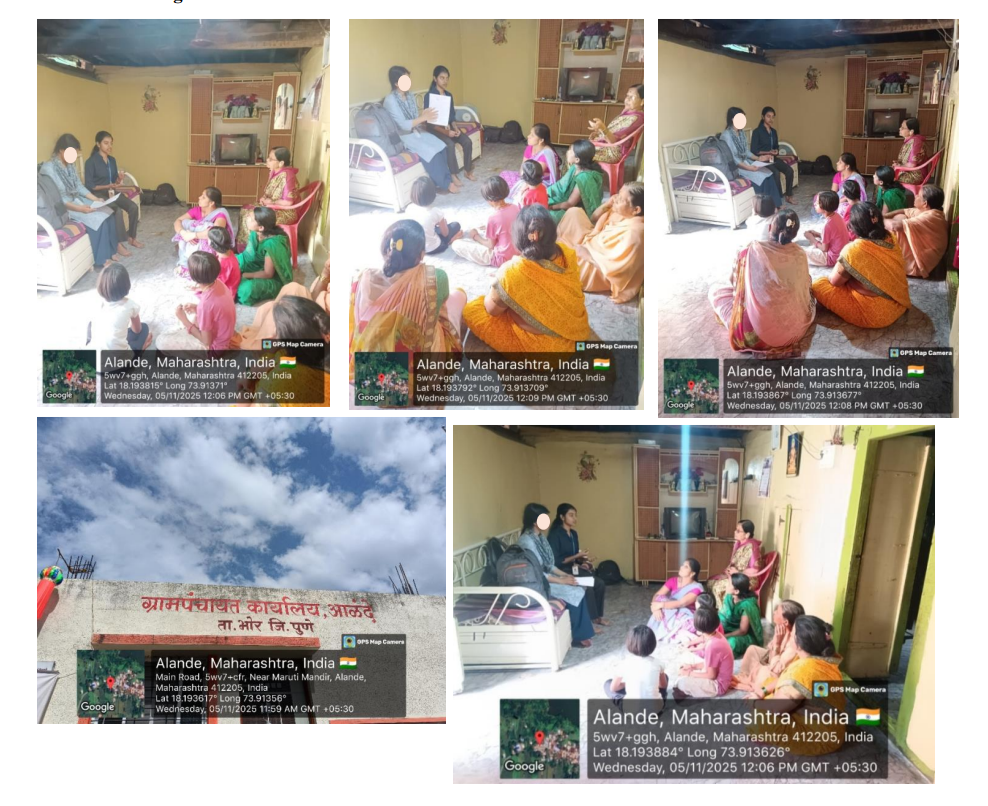
The NSS Unit of Vishwakarma University conducted the Gram Samvad Welfare Awareness Drive at Alande village, Bhor, with the objective of educating community members about government welfare schemes designed to improve health, financial security, and social well-being.
The session focused on introducing participants to schemes such as E-Shram Yojana, Ayushman Bharat Yojana, Niradhar Yojana, Mandhan Yojana, and other welfare initiatives. The volunteers
explained the benefits, eligibility criteria, and application procedures associated with each scheme in a simple and interactive manner.The awareness drive encouraged open discussion and active participation from the attendees. Participants were provided with guidance regarding the documents required for enrollment and were encouraged to utilize welfare schemes relevant to their individual circumstances.
A total of 2 NSS Volunteers conducted the activity and interacted with 8 community participants. The session fostered meaningful dialogue and helped improve awareness regarding social welfare opportunities available through various government initiatives.
Outcomes of the Program
• Improved awareness regarding government welfare schemes and social security programs.
• Helped participants understand eligibility criteria and application procedures.
• Encouraged utilization of government support services among rural residents.
• Strengthened community engagement through direct interaction and knowledge sharing.
SDG Alignment
SDG 1 – No Poverty: The activity promoted awareness regarding financial assistance and social welfare schemes aimed at improving economic security.
SDG 3 – Good Health and Well-being: Information regarding healthcare-related benefits and services was shared with participants.
SDG 8 – Decent Work and Economic Growth: Awareness was created regarding employment and social security initiatives for workers.
SDG 10 – Reduced Inequalities: The activity improved access to information and opportunities for underserved communities.
Annexure
Welfare Awareness Session and Community Interaction and Discussion
Name of the Program: Dil-e-Dastaan – Unlocking the Treasure Box of Untold Hearts
Date: 1st October 2025
Venue: Prem Nivas Old Age Home
Organized by: NSS Unit, Vishwakarma University, Pune
Objective of the Program
The objective of the program was to foster emotional well-being, companionship, and meaningful social interaction among elderly residents. The activity aimed to promote empathy,
active listening, and intergenerational bonding while creating a supportive and inclusive environment for senior citizens.
Details of the Program
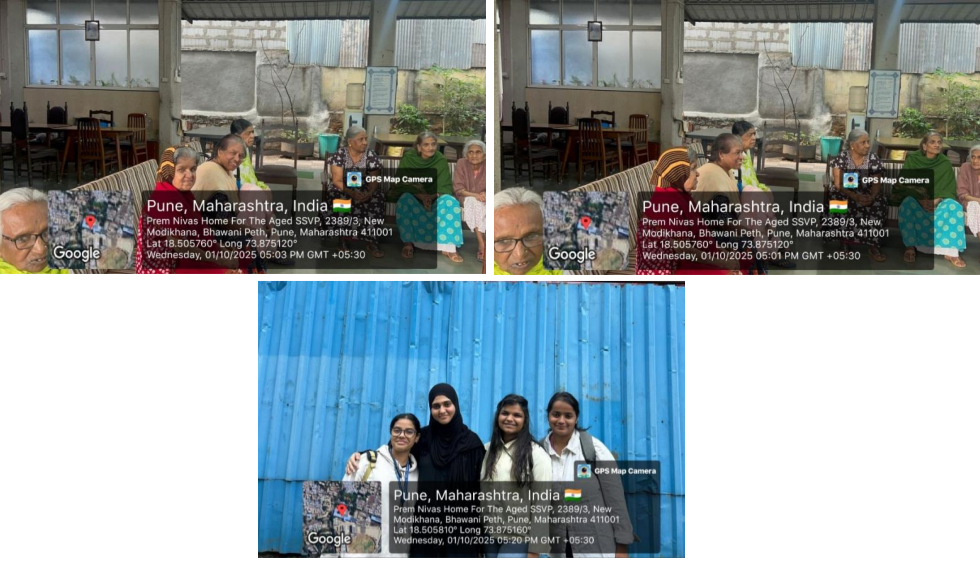
The NSS Unit of Vishwakarma University organized Dil-e-Dastaan – Unlocking the Treasure Box of Untold Hearts at Prem Nivas Old Age Home. The activity was designed to encourage
interaction with elderly residents and provide them with an opportunity to share their life experiences, memories, and personal stories.
The session began with informal introductions and conversations to establish rapport with the residents. Volunteers engaged the elderly participants in discussions about their lives, cherished
memories, family experiences, and personal journeys. These interactions created a warm and welcoming atmosphere that encouraged open communication and emotional expression.
A group activity titled “Pass the Pillow” was conducted during the session. Music was played while participants passed a pillow among themselves. When the music stopped, the individual
holding the pillow was invited to share a meaningful memory, experience, or thought. The activity generated enthusiastic participation and encouraged storytelling, reflection, and emotional connection.
A total of 6 NSS Volunteers participated in the activity and engaged with 16 elderly residents.The session highlighted the importance of companionship, empathy, and human connection in
promoting emotional well-being among senior citizens.
Outcomes of the Program
• Provided emotional support and companionship to elderly residents.
• Encouraged meaningful interaction, storytelling, and social engagement.
• Developed empathy, communication skills, and sensitivity among student volunteers.
• Created a joyful and inclusive environment where participants felt valued and heard.
SDG Alignment
SDG 3 – Good Health and Well-being: The activity promoted emotional wellness, social
inclusion, and positive mental health among elderly participants.
SDG 10 – Reduced Inequalities: The program encouraged inclusion, dignity, and meaningful
engagement with senior citizens, particularly those residing in care facilities.
Annexures
Interaction with Elderly Residents, Group Photograph and Event
Documentation
Theme: Hamara Samvidhan – Hamara Swabhiman
Date: 26th November 2025
Venue: University Auditorium, Building 1, Vishwakarma University, Pune
Organised by: NSS Unit, Vishwakarma University, Pune
Introduction
Indian Constitution Day (Samvidhan Diwas) is celebrated on 26th November every year to commemorate the adoption of the Constitution of India. As per the directives received from the Directorate of NSS and the Ministry of Parliamentary Affairs, the NSS Unit of Vishwakarma University, Pune, organised the celebration of Samvidhan Diwas 2025 under the national theme “Hamara Samvidhan –Hamara Swabhiman.”
The objective of the celebration was to reaffirm commitment towards constitutional values such as Justice, Liberty, Equality, and Fraternity, and to create awareness about the importance of the Constitution in democratic governance.
Objectives of the Programme
• To promote awareness about the Constitution of India
• To reinforce democratic values among faculty and staff
• To encourage respect for constitutional duties and rights
• To observe Samvidhan Diwas as part of the national initiative
Details of the Programme
The programme was conducted on 26th November 2025 at 11:00 A.M. in the University Auditorium, Building 1, Vishwakarma University, Pune.
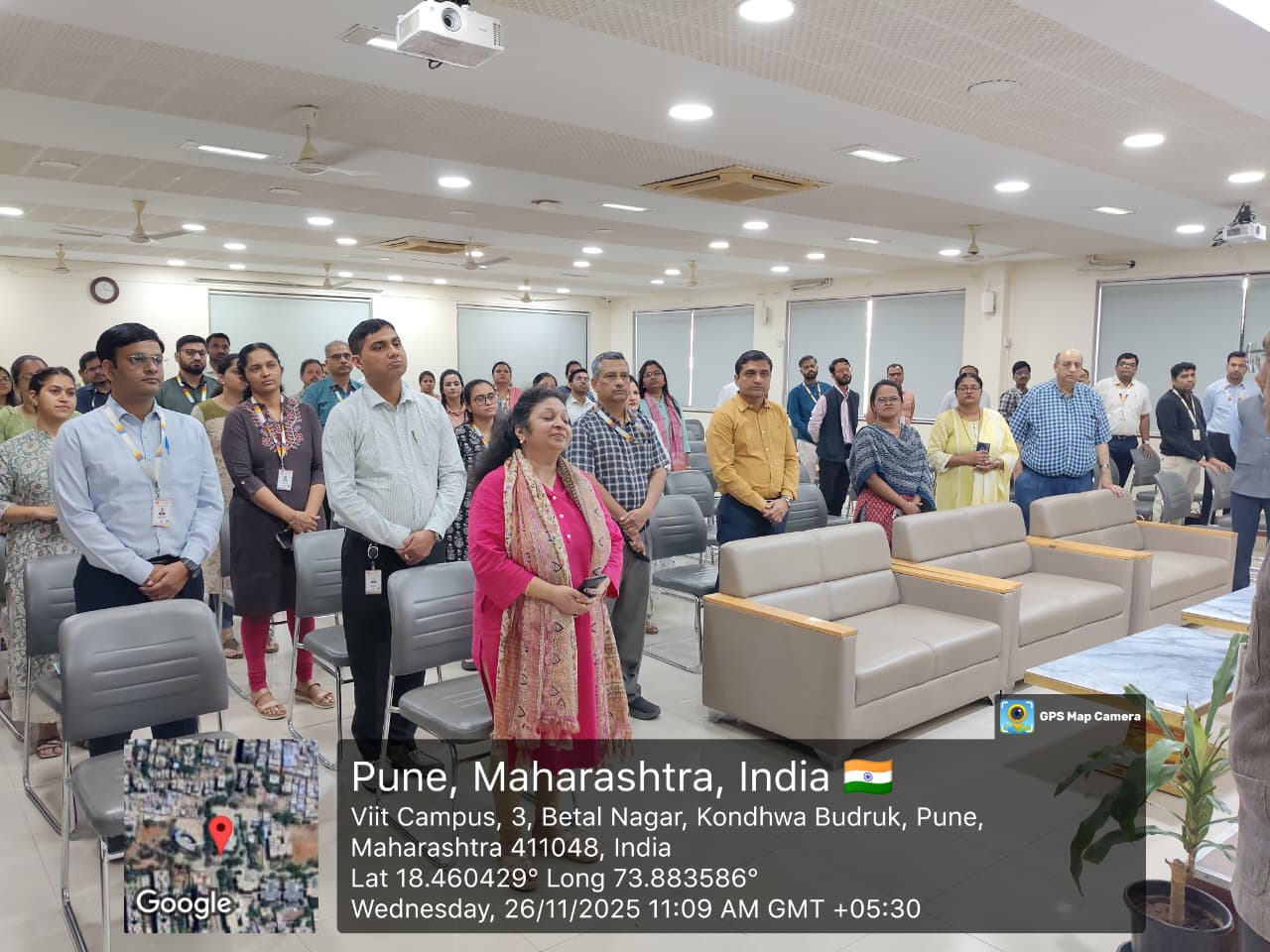
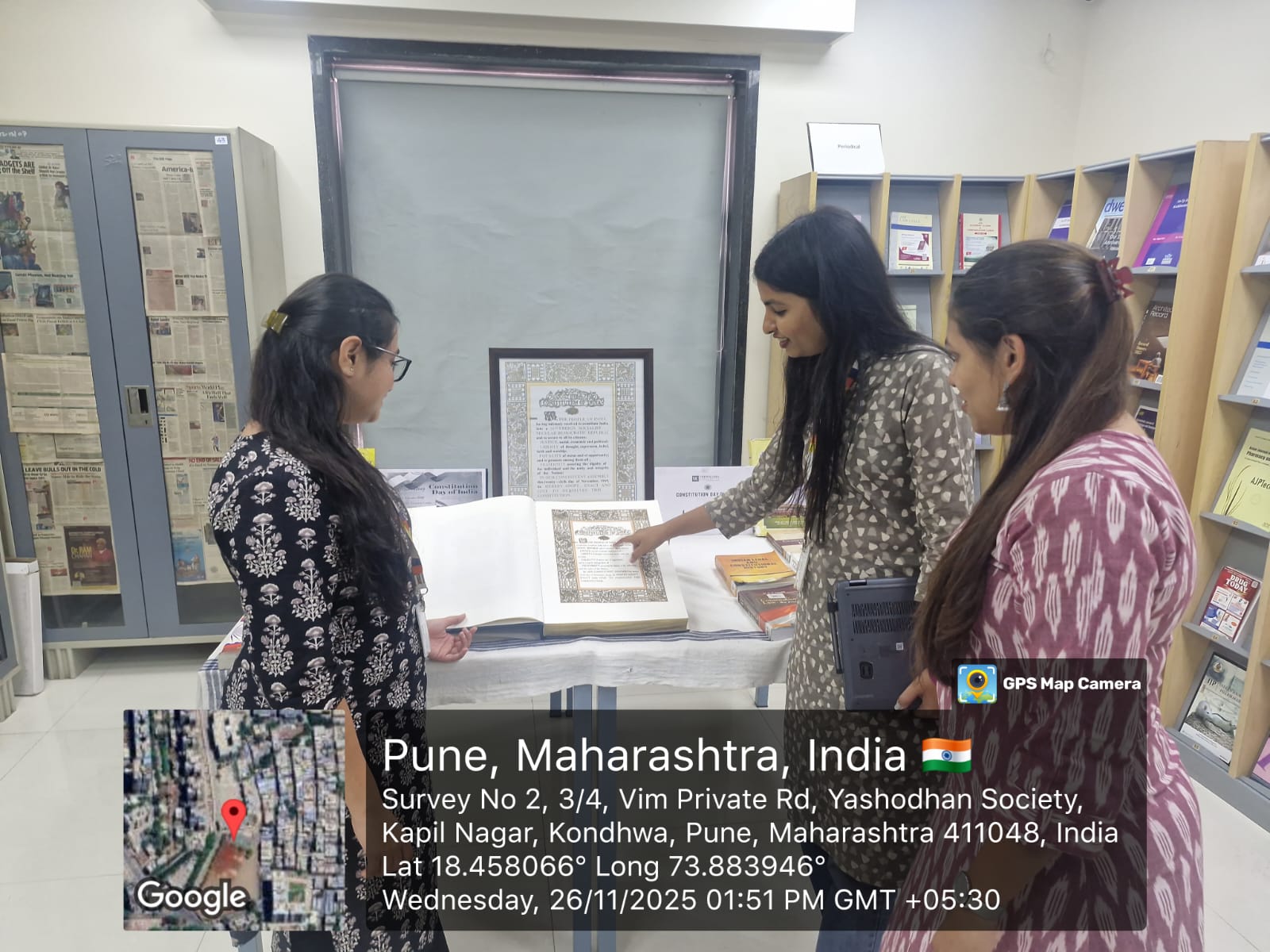
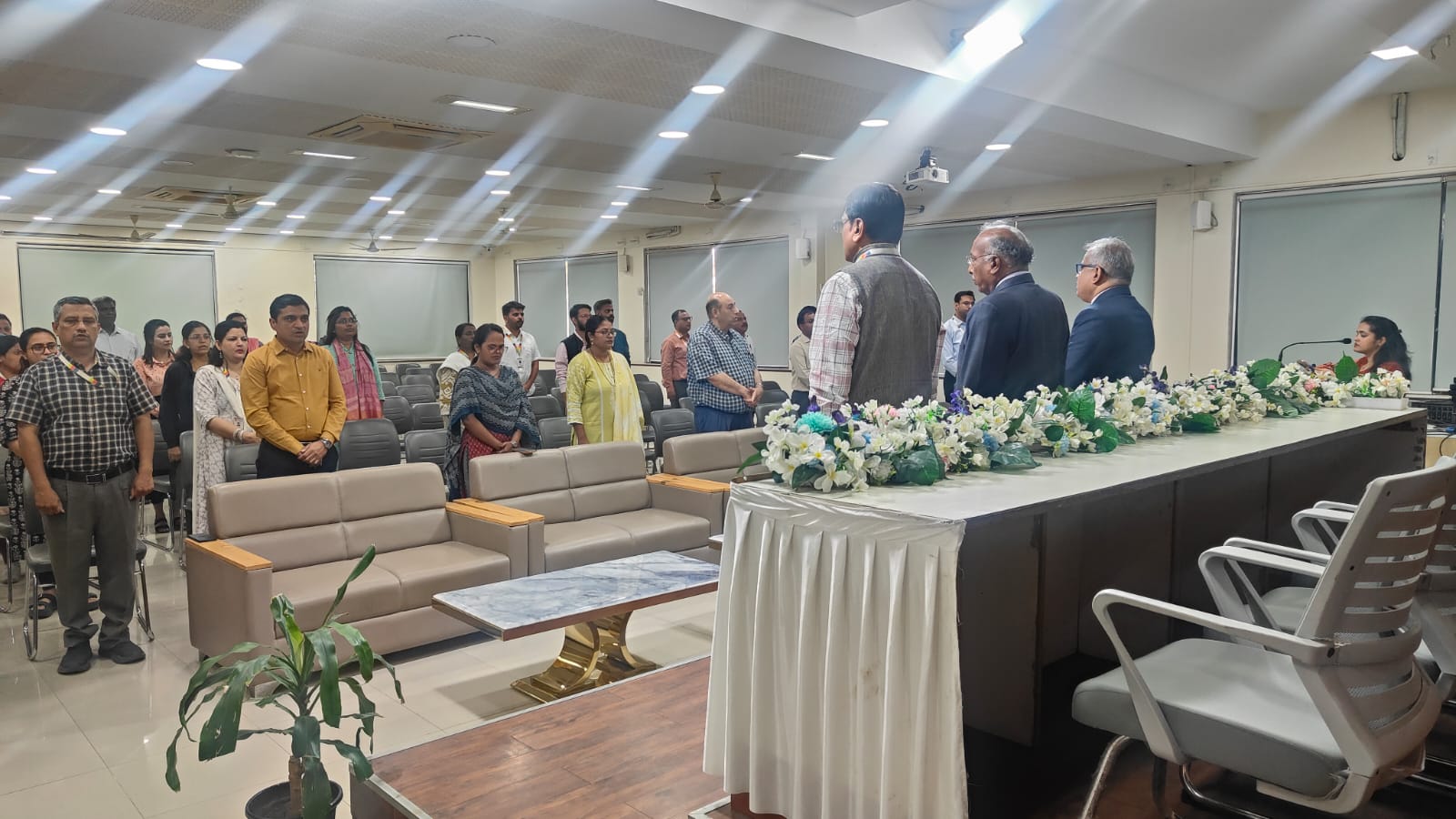
The event began with the collective reading of the Preamble to the Constitution of India, followed by the Constitutional Pledge Ceremony, where all participants reaffirmed their commitment to uphold the values and principles enshrined in the Constitution.
A special awareness session on Constitutional literature and book reading was also conducted in the University Library, where faculty and staff were encouraged to explore and understand key constitutional texts and reference materials.
The Registrar of Vishwakarma University addressed the gathering and delivered a meaningful speech highlighting the historical importance of the Constitution, the
responsibilities of citizens, and the role of educational institutions in nurturing constitutional morality. Participation
Due to ongoing end-of-semester examinations, student participation was not possible. However, the programme witnessed the active presence of the Vice Chancellor, and more than 35 faculty and staff members, who enthusiastically participated in the Preamble reading, pledge ceremony, and awareness activities.
Outcome and Impact
• Strengthened awareness of constitutional values among faculty and staff
• Reinforced collective responsibility towards democratic principles
• Encouraged engagement with constitutional literature
• Successfully fulfilled the national directive for Samvidhan Diwas observance
Conclusion
The celebration of Indian Constitution Day 2025 at Vishwakarma University was conducted with dignity, discipline, and a strong sense of national pride. Through the Preamble reading, pledge ceremony, constitutional awareness session, and
the Registrar’s address, the programme effectively conveyed the message of “Hamara Samvidhan – Hamara Swabhiman.” The event stood as a reminder of the foundational values that guide the nation and its citizens.
Testimonies (Annexure)
Name of the Program: Community Welfare Outreach Program – Khandobachi Wadi
Date: 5th November 2025
Venue: Khandobachi Wadi, Bhor
Organized by: NSS Unit, Vishwakarma University, Pune
Objective of the Program
The objective of the program was to create awareness among community members regarding various government welfare schemes and social security initiatives. The activity aimed to
improve access to information about public welfare programs and encourage eligible beneficiaries to avail themselves of government support services.
Details of the Program
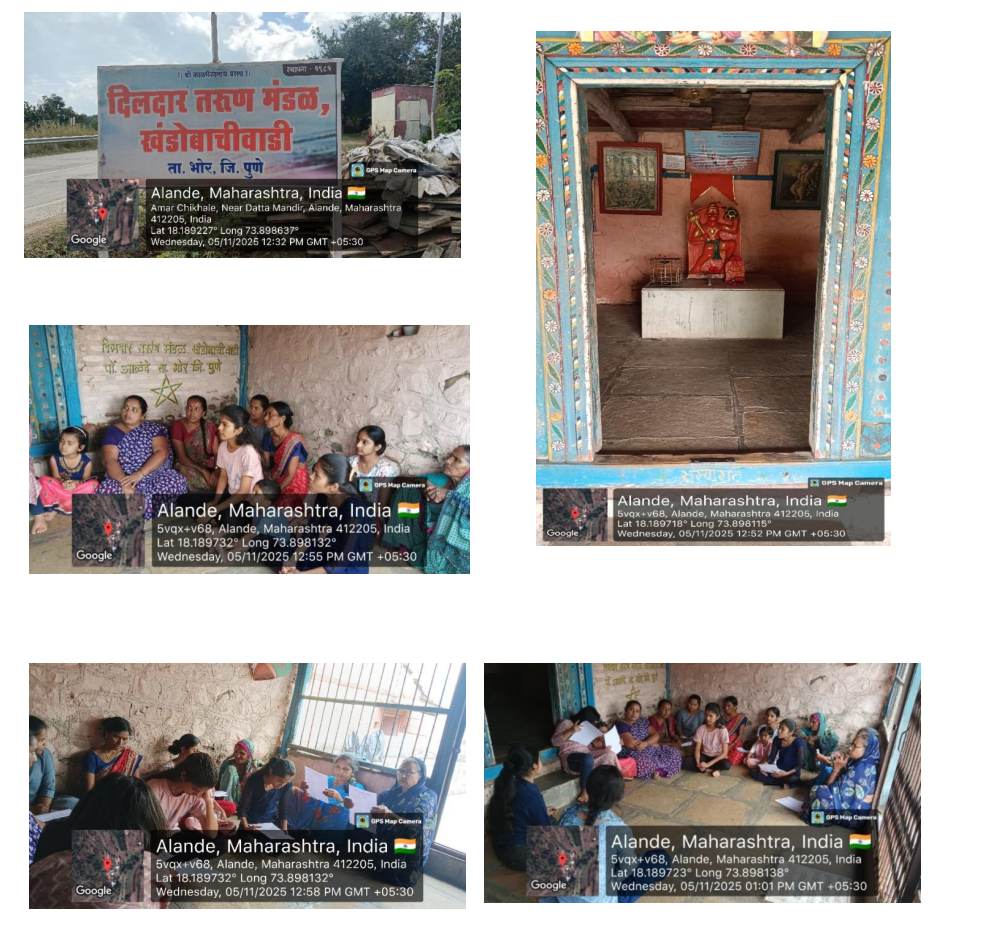
The NSS Unit of Vishwakarma University conducted a community outreach activity at Khandobachi Wadi, Bhor, to spread awareness about various government welfare schemes available to citizens. The session focused on educating residents about programs such as E-Shram Yojana, Ayushman Bharat Yojana, Niradhar Yojana, Mandhan Yojana, and other social welfare initiatives.
The volunteers interacted directly with community members and explained the objectives,eligibility criteria, benefits, and application procedures associated with these schemes.Information was communicated in a simple and accessible manner to ensure better understanding among participants.
A total of 2 NSS Volunteers conducted the awareness activity and engaged with 12 community participants. The session encouraged active interaction, allowing residents to ask questions and
clarify doubts regarding the schemes and their implementation.
The activity served as a bridge between government welfare initiatives and local communities by promoting awareness, accessibility, and informed participation.
Outcomes of the Program
• Increased awareness regarding government welfare and social security schemes.
• Improved understanding of eligibility criteria and application procedures among
participants.
• Encouraged community members to utilize available government support services.
• Strengthened the connection between educational institutions and rural communities
through outreach efforts.
SDG Alignment
SDG 1 – No Poverty: The activity promoted awareness regarding schemes designed to improve
financial security and social welfare.
SDG 3 – Good Health and Well-being: Information regarding healthcare-related schemes such
as Ayushman Bharat was shared with participants.
SDG 10 – Reduced Inequalities: The program helped improve access to information and
opportunities for underserved communities.
Annexures
Name of the Program: NSS Day Blood Donation Camp
Date: 23rd September 2025
Venue: Vishwakarma University, Building 2 Auditorium, Pune
Organised by: NSS Unit, Faculty of Pharmacy & Student Welfare Vishwakarma University, Pune. In collaboration with Red Plus Blood Bank
Objective of the Program
The primary objective of the NSS Day Blood Donation Camp was to promote voluntary blood donation, raise awareness about the importance of blood donation in saving lives, and encourage
a sense of social responsibility and humanitarian service among students and faculty.
Details of the Program
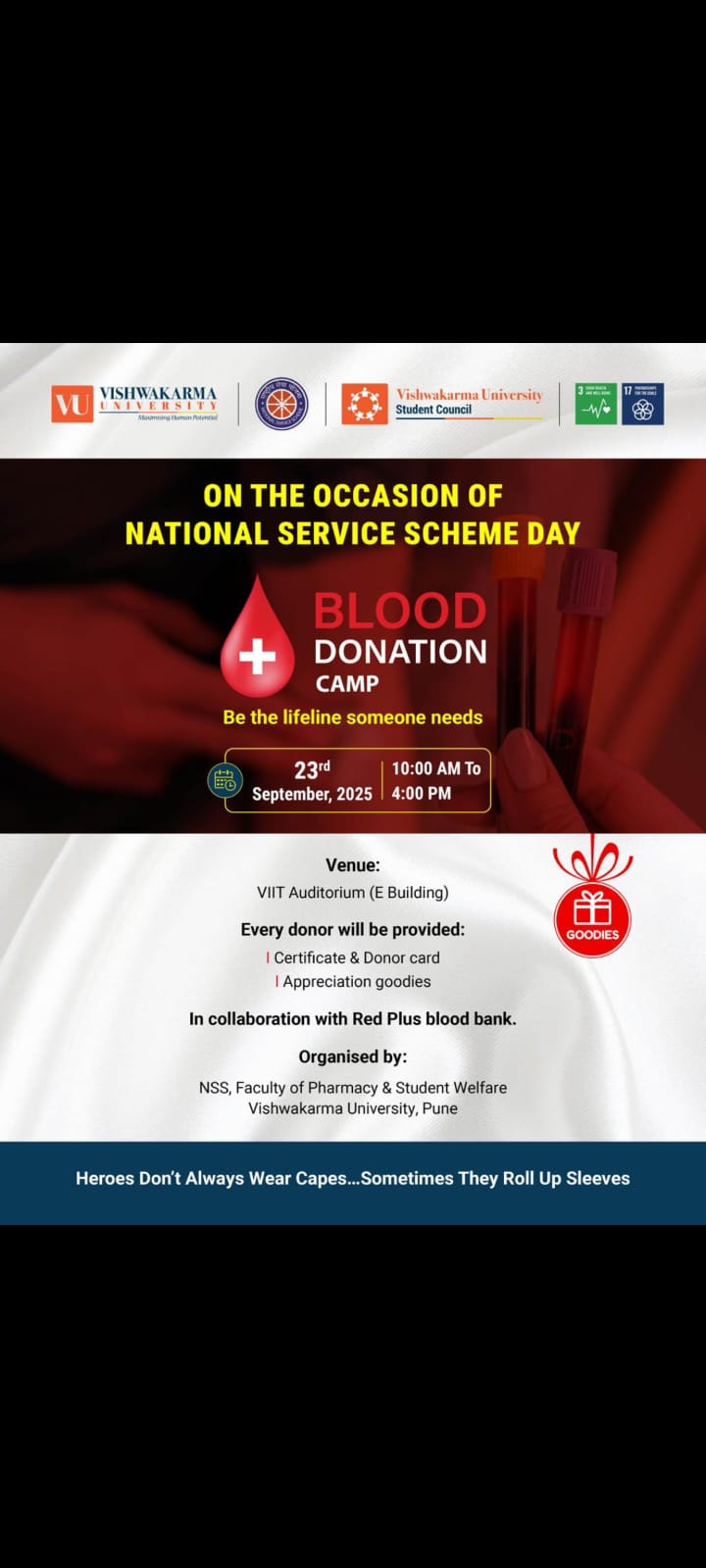
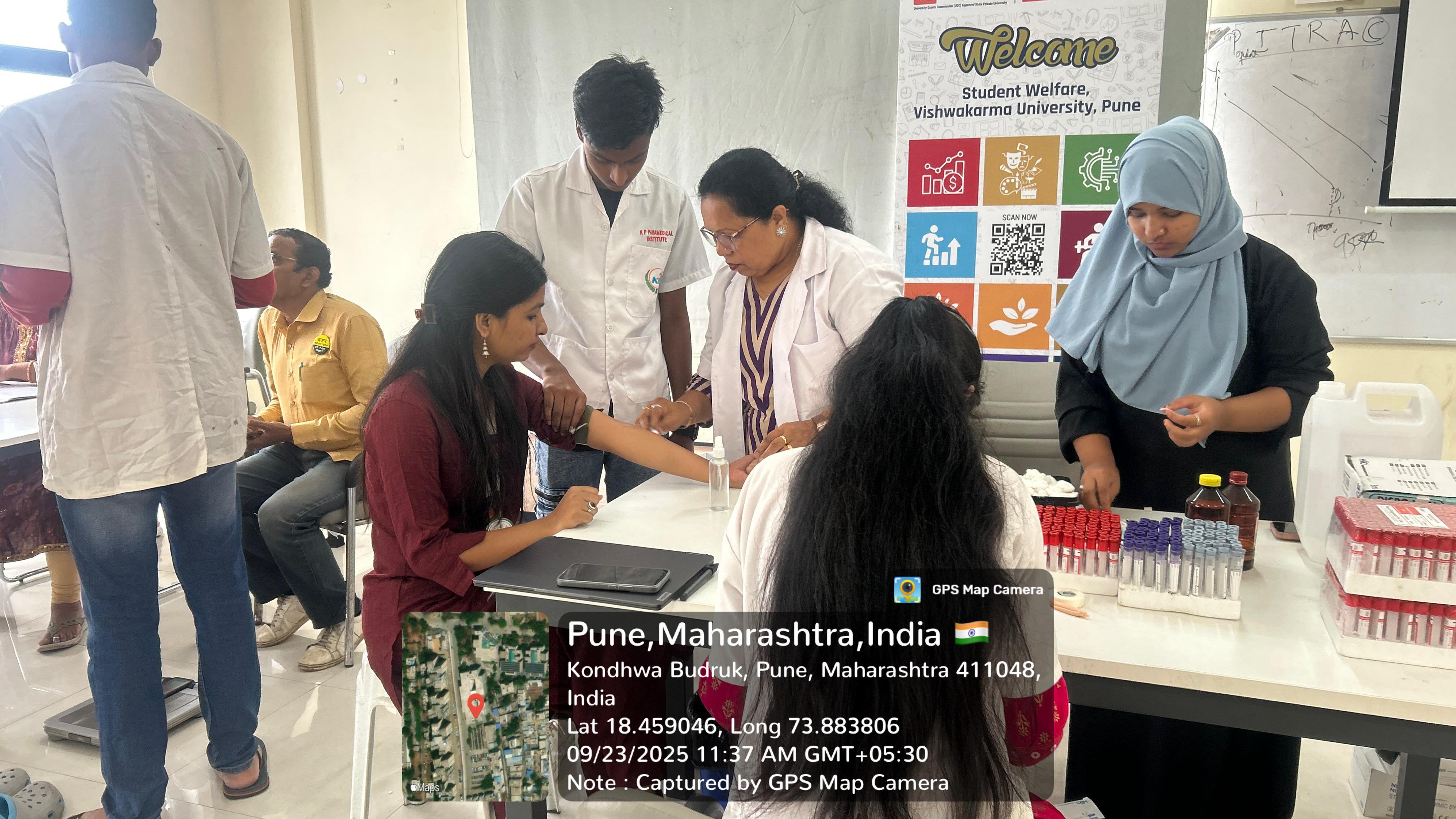
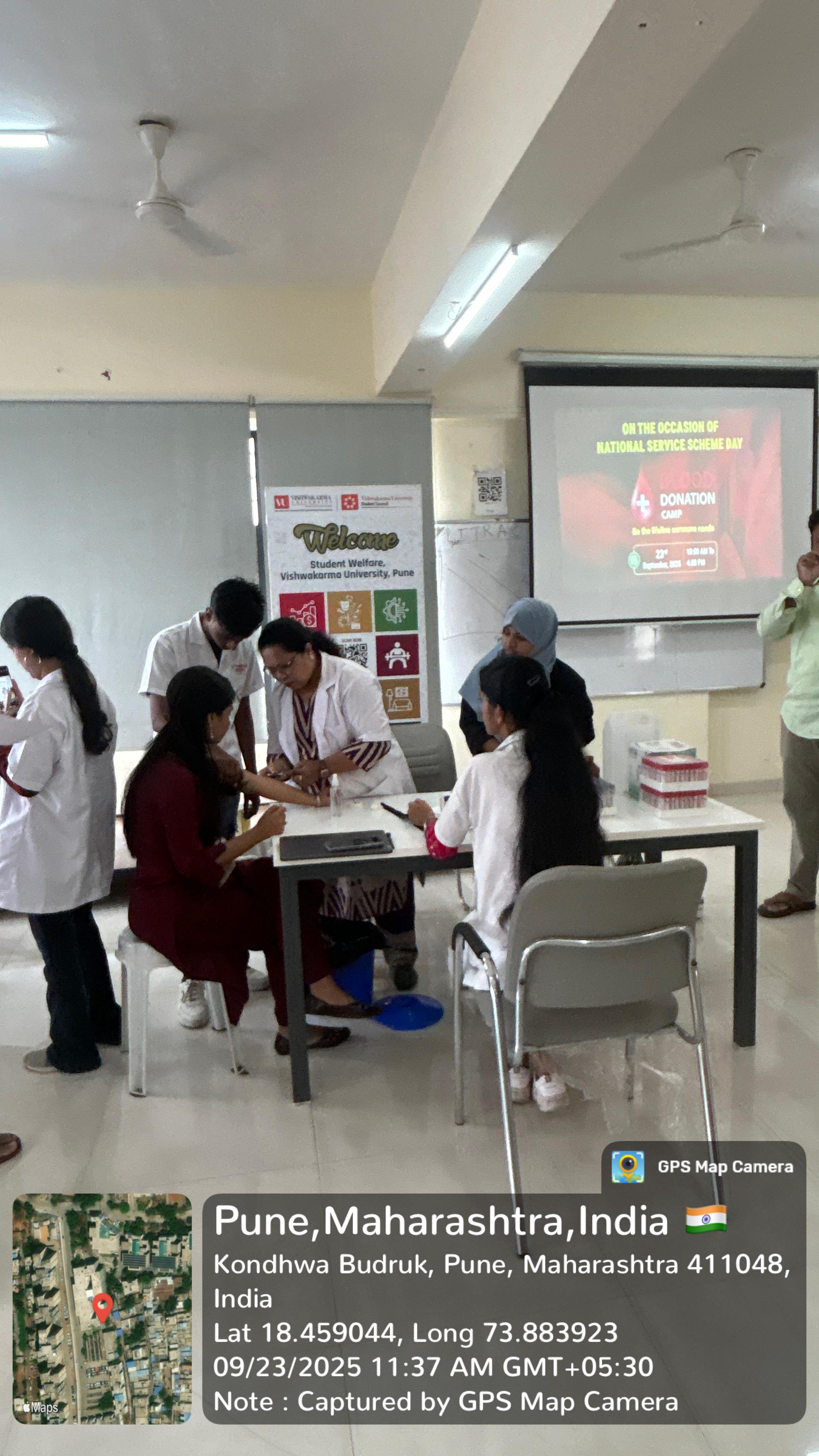
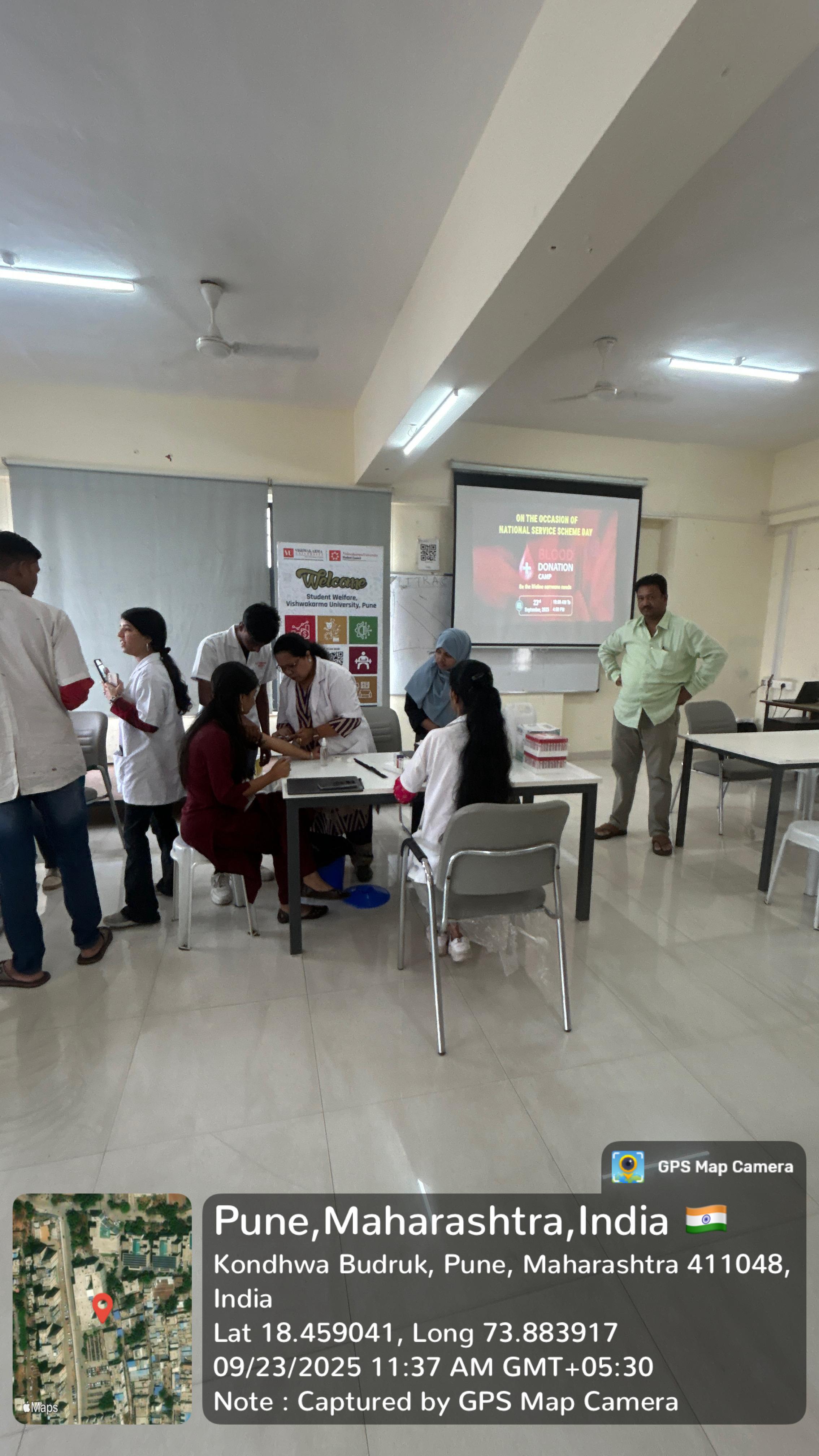
On the occasion of NSS Day, the NSS Unit of Vishwakarma University organised a Blood Donation Camp in collaboration with Red Plus Blood Bank. The camp witnessed enthusiastic
participation from students, faculty, and staff members.Prior to donation, donors underwent mandatory medical screening, including BMI assessment and blood tests, to ensure donor safety. Post-donation care was provided with glucose refreshments, and donors were appreciated with goodies such as power banks and helmets, encouraging continued participation in social service activities.
The event was coordinated under the guidance of Program Coordinator Aditi Jain Ma’am and Program Officer Jayesh Baldota Sir, with active involvement of NSS volunteers and the
Student Representative, Neil Tiwari.
A total of 100+ donors registered and participated, making the event a successful and impactful initiative.
NSS Volunteers Involved
1. Akash Patil – SRN: 31231720
2. Sneha Kulhade – SRN: 31231918
3. Vaishnavi Murkunde – SRN: 31231719
4. Viren Mandlecha – SRN: 31231814
5. Pawan Sonune – SRN: 202202008
6. Mrunal Ekbote – SRN: 31231990
7. Kumkum Gupta – SRN: 31242193
8. Shivanjaly Jamwal – SRN: 31242826
9. Pooja Rathod – SRN: 202200546
10. Nikhil Choudhary – SRN: 202201536
11. Chaitanya Shinde – SRN: 31242798
12. Sakshi Sathe – SRN: 202202084
13. Shravani Kulkarni – SRN: 202200328
14. Tejas Sul – SRN: 31232474
15. Sanskruti Kale – SRN: 31242441
16. Harsh Parkale – SRN: 31241271
17. Tanishka Kale – SRN: 31232397
Outcomes of the Program
• Successful collection of blood units through voluntary donation
• Increased awareness about blood donation and donor health
• Strengthened student engagement in community service
• Fostered teamwork, responsibility, and civic duty among NSS volunteers
Annexures
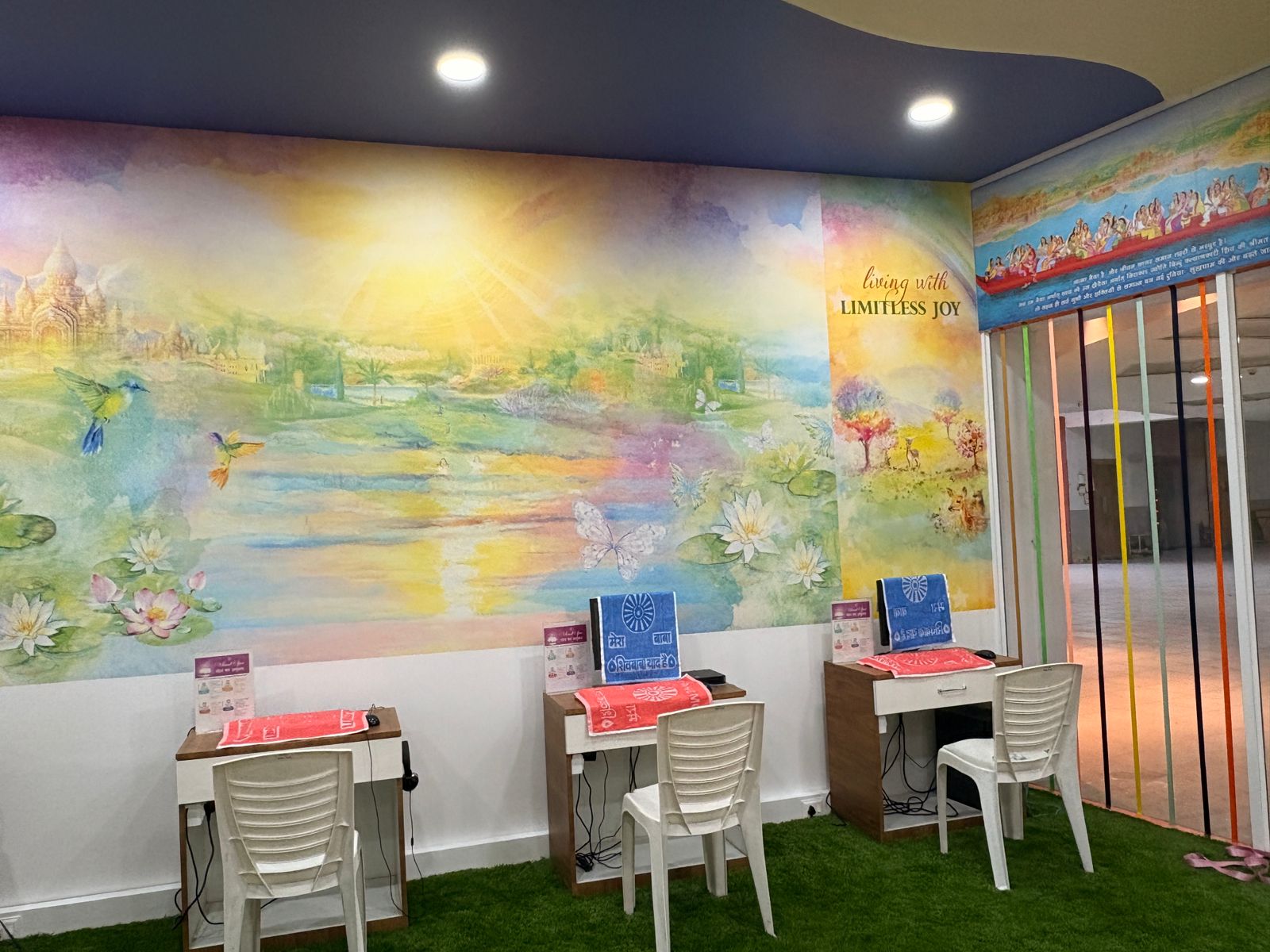
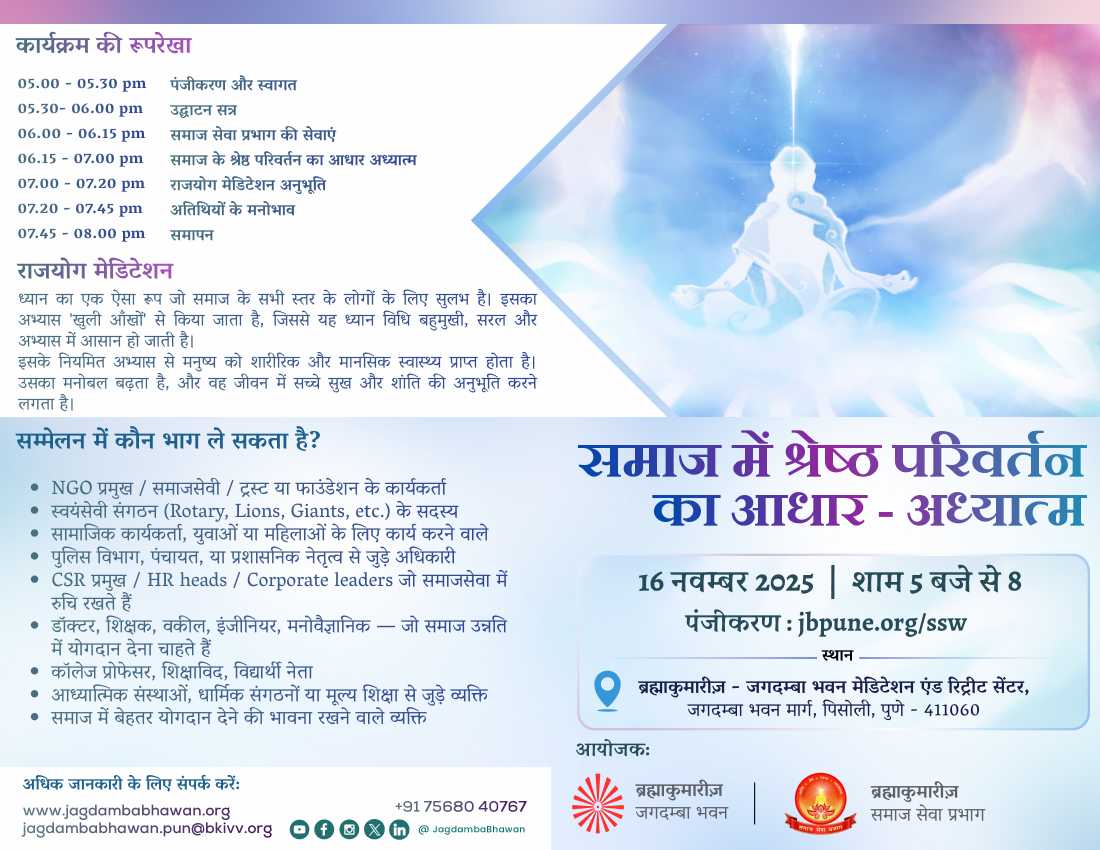
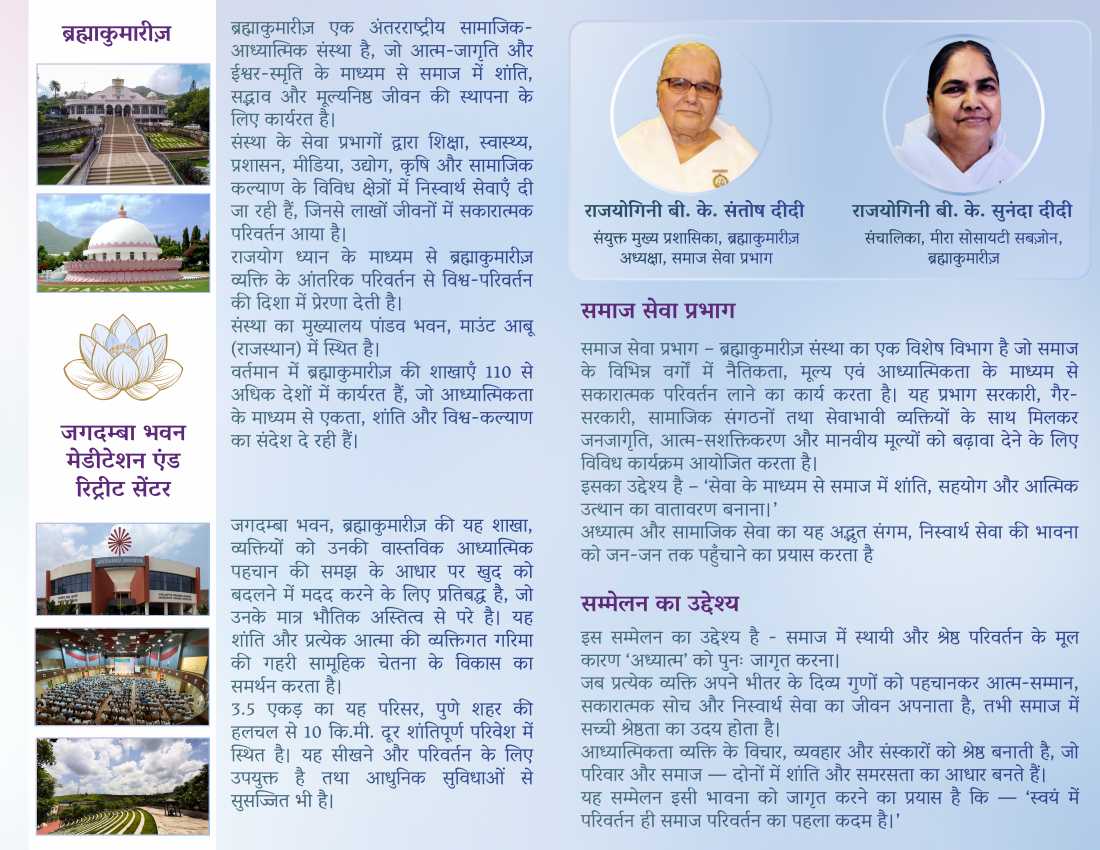
Name of the Program: Brahmakumaris Social Service Conference
Date: 16th November 2025
Time: 5:00 PM – 8:00 PM
Venue: Jagdamba Bhavan Meditation & Retreat Centre, Pisoli, Pune
Organized by: Brahmakumaris Social Service Wing in association with NSS Unit, Vishwakarma University, Pune
Objective of the Program
The objective of the program was to promote awareness regarding spirituality, moral values, and social responsibility among students. The conference aimed to encourage participants to reflect
upon the role of spiritual values in bringing positive social transformation and fostering peace, harmony, and ethical living within society.
Details of the Program
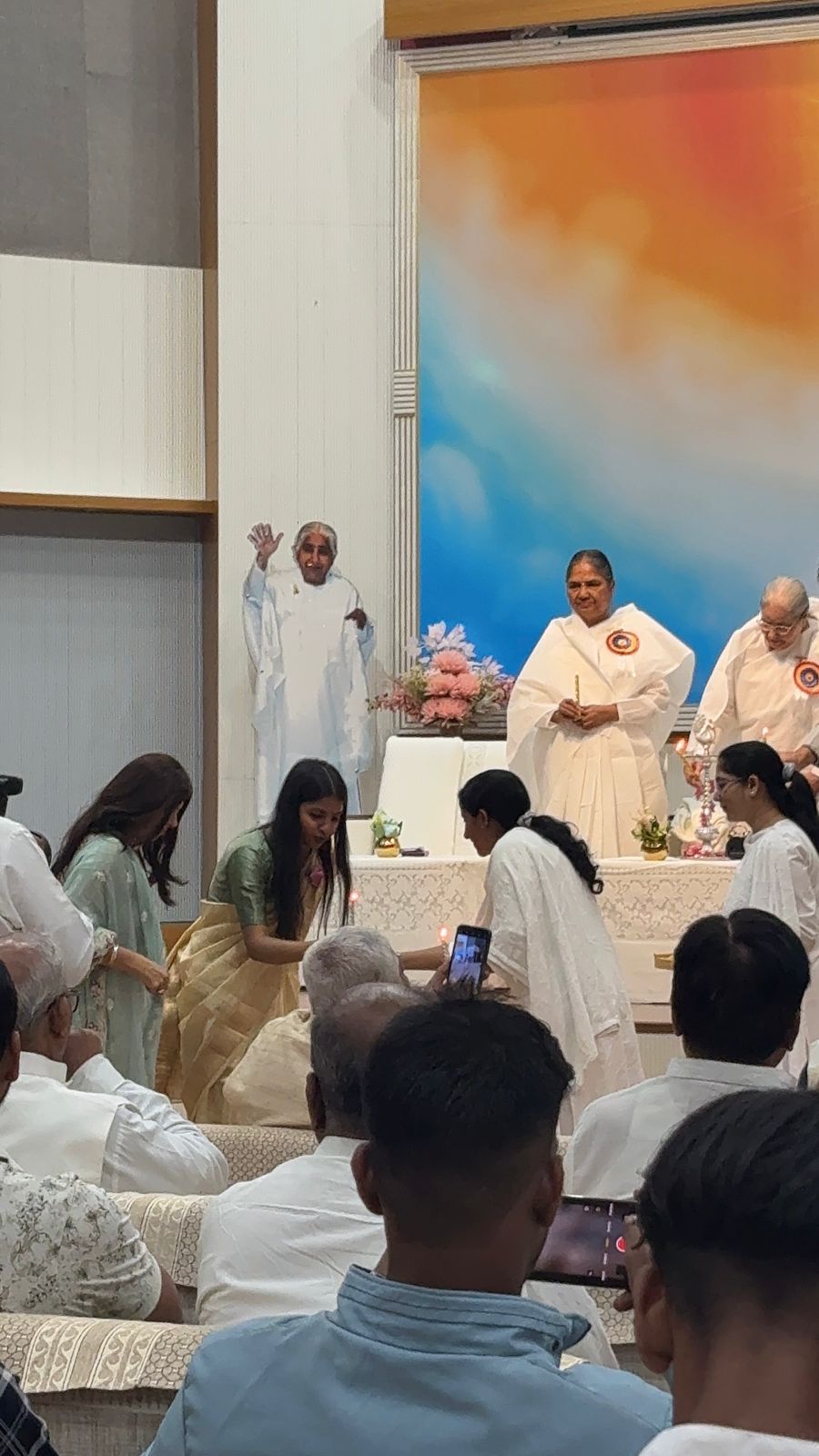
The NSS Unit of Vishwakarma University participated in the Brahmakumaris Social Service Conference organized under the theme “Samaj Mein Shreshtha Parivartan Ka Aadhar –
Adhyatma”. The conference focused on the importance of spirituality as a foundation for personal growth and societal development.
The event featured keynote addresses, discussions, and interactive sessions highlighting the role of values, self-awareness, and inner peace in addressing contemporary social challenges.
Participants were introduced to concepts of positive thinking, emotional well-being, and community service through spiritual practices.
A total of 2 NSS Volunteers represented Vishwakarma University and actively participated in the conference alongside more than 100 attendees from various educational and social
organizations. The program provided an opportunity for participants to engage with social leaders, educators, and members of the Brahmakumaris organization.
The conference encouraged dialogue on the importance of ethical leadership, social harmony, and collective responsibility in creating a more compassionate and inclusive society.
Outcomes of the Program
• Increased awareness regarding spirituality and its role in social transformation.
• Promoted values such as peace, compassion, self-discipline, and responsible citizenship.
• Encouraged participants to contribute positively towards society through value-based actions.
• Strengthened understanding of emotional well-being and holistic personal development.
SDG Alignment
SDG 3 – Good Health and Well-being: The conference promoted mental and emotional well-
being through discussions on mindfulness, self-awareness, and positive living.
SDG 16 – Peace, Justice and Strong Institutions: The activity encouraged peace-building,
ethical conduct, social harmony, and responsible community participation.
Annexures
Annexure 1 – Photographs of the Conference
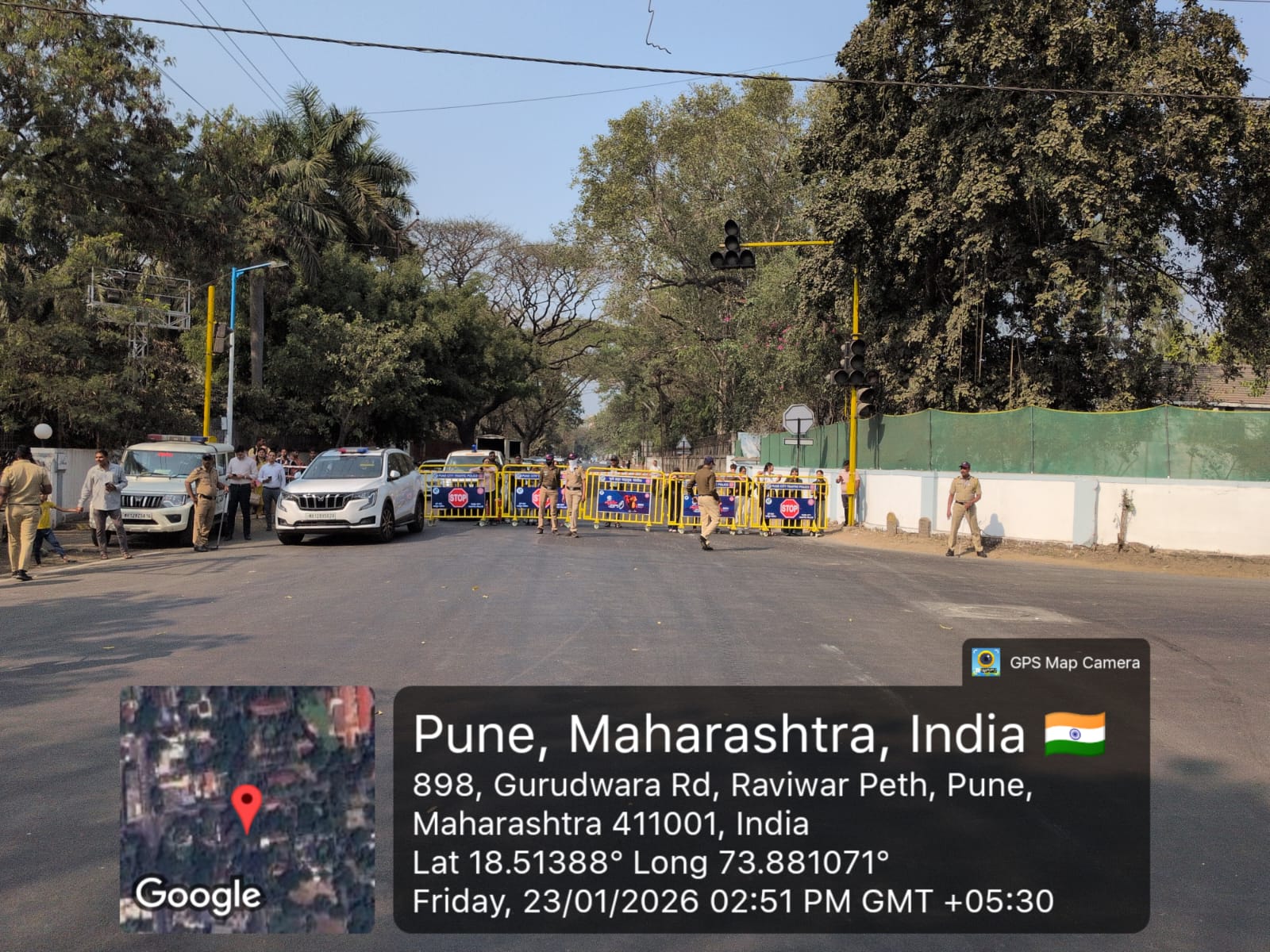
Name of the Program:NSS Volunteering Activity – Bajaj Pune Grand Tour
Date:23rd January 2026
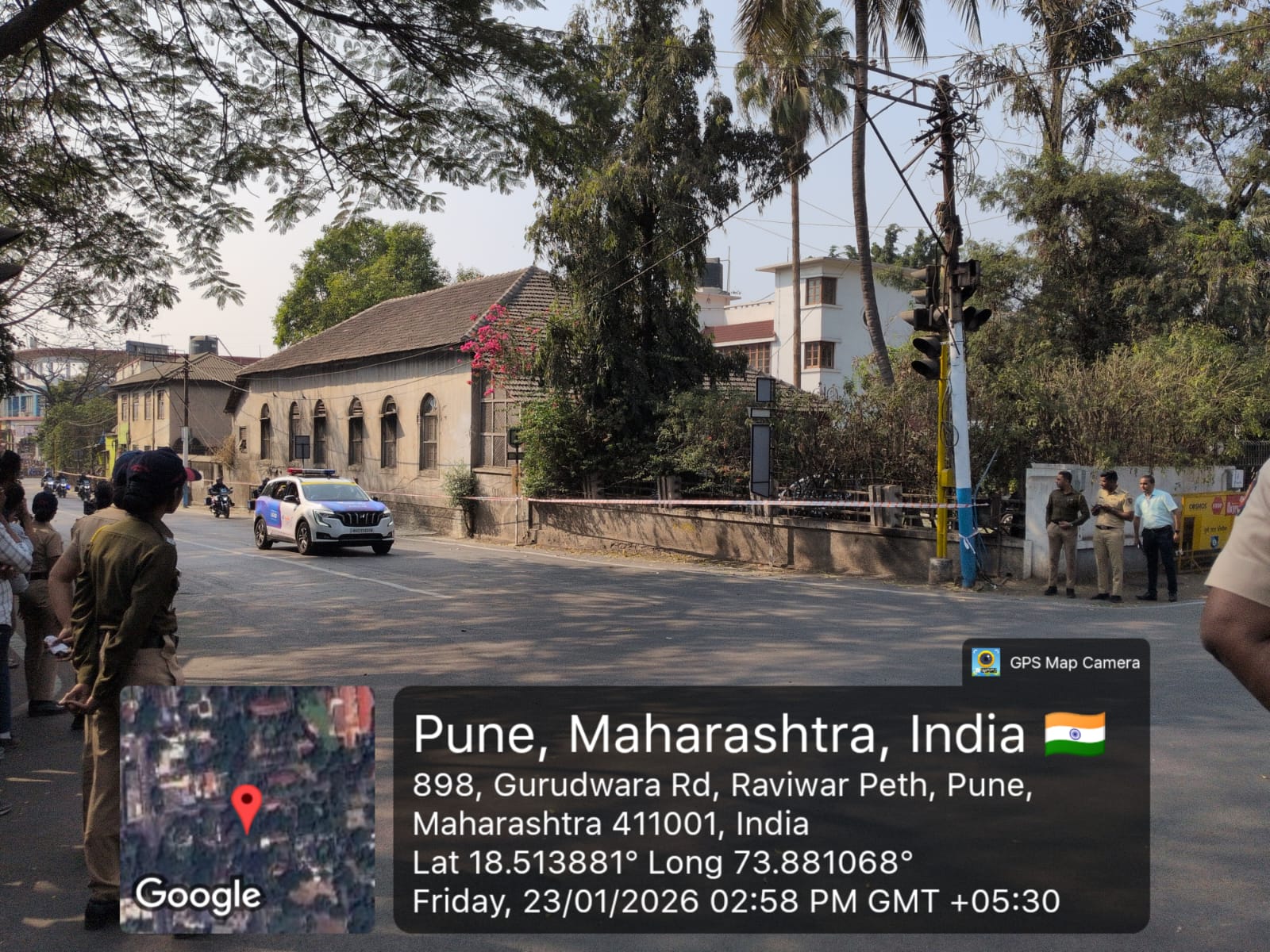
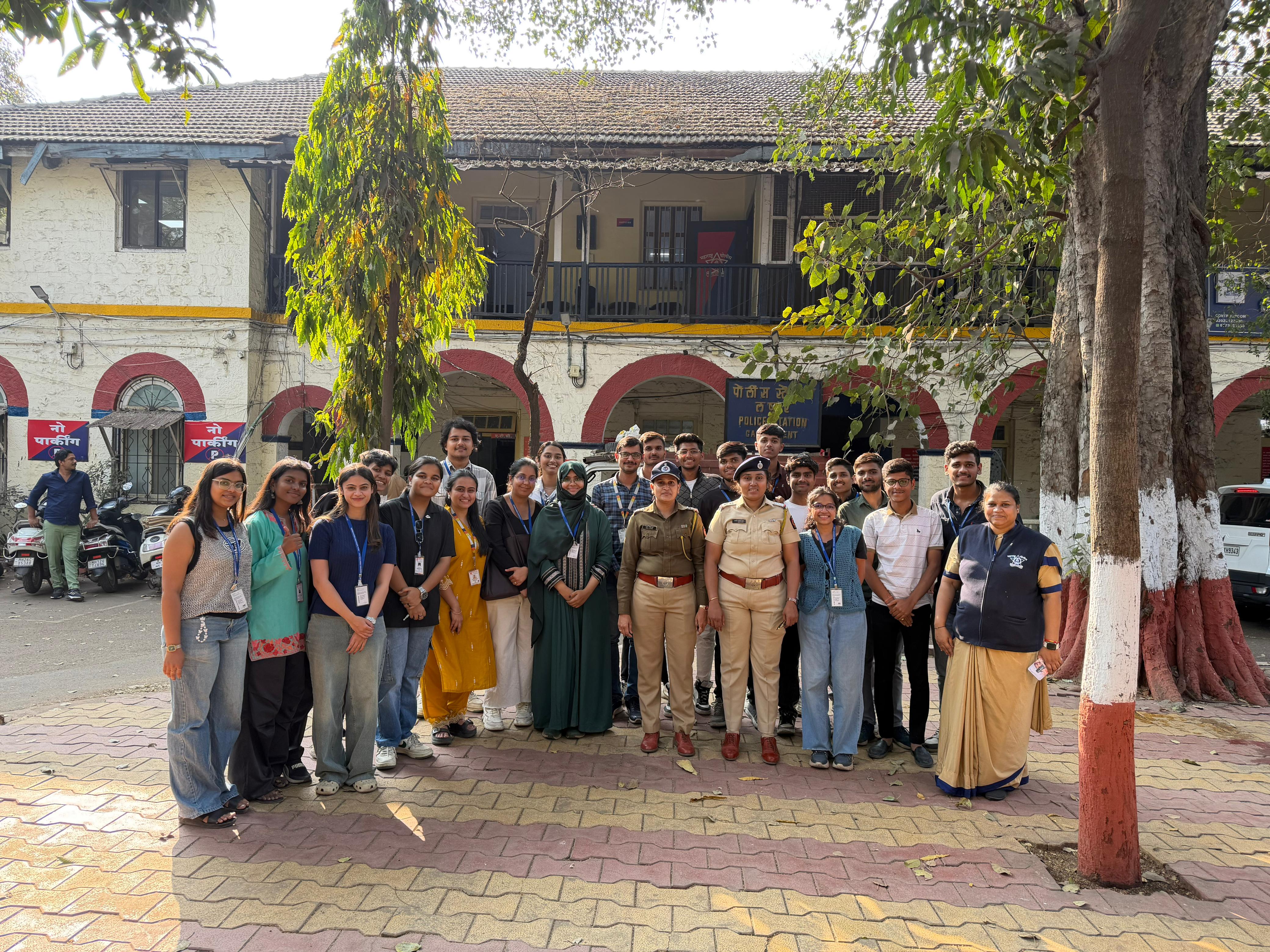
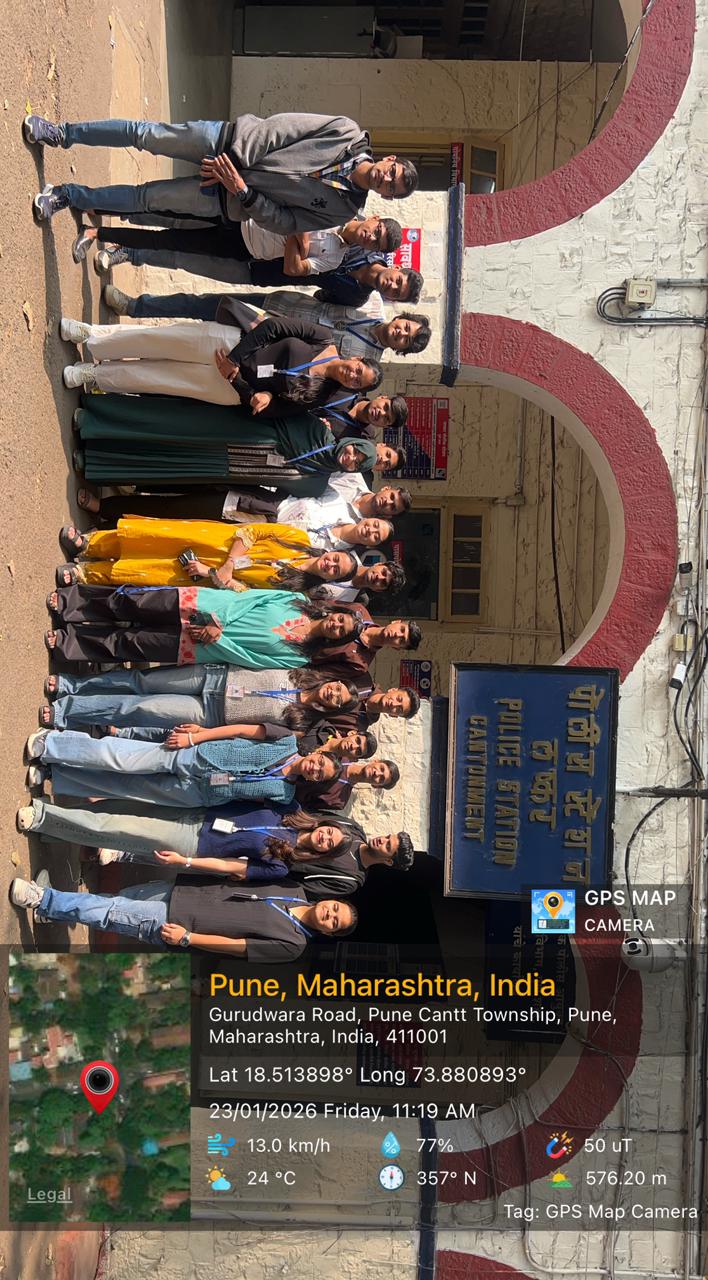
Venue / Reporting Location:Lashkar Police Chowki, Cantonment Area, Pune
Organised by:NSS Unit, Vishwakarma University, Pune. In collaboration with Pune Police
(Lashkar Police Chowki) and Bajaj Pune Grand Tour Organising Team
Objective of the Program
The objective of this volunteering activity was to support public authorities in ensuring the
smooth and safe conduct of an international sporting event while inculcating discipline, civic
responsibility, and public service values among NSS volunteers.
Details of the Program
NSS volunteers from Vishwakarma University actively participated in the Closing Event of the
Bajaj Pune Grand Tour 2026, an international-level cycling event. The volunteers reported at
Lashkar Police Chowki and were briefed by police personnel regarding their responsibilities.
The volunteers assisted the Pune Police and Road Traffic Police in crowd management,
traffic coordination, route guidance, and public assistance, ensuring safety and orderly
movement of participants and spectators.
The activity was carried out under the supervision of Madhuri Marathe Ma’am and Program
Officer Jayesh Baldota Sir, with disciplined and enthusiastic participation from NSS volunteers
and the Student Representative, Neil Tiwari.
NSS Student Volunteers Involved
1. Laxman Choudhary
2. Arvind Rajpurohit
3. Amarjeet Thakur
4. Abhijeet Nimbalkar
5. Shravan Choudhary
6. Aman Sharma
7. Hitesh Choudhary
8. Pukraj Prajapati
9. Jitendra Choudhary
10. Dilip Choudhary
11. Amena Sheikh
12. Aadya Sadaphal
13. Het Palrecha
14. Sunita Padkonde
15. Rachel P.
16. Bhumika Dabi
17. Rida Damad
18. Tvishwa Joshi
19. Kashish Dhirani
20. Yash Choudhary
21. Jitendra Choudhary
22. Rohit Choudhary
23. Krish Oswal
24. Kamlesh Choudhary
25. Shaibaz Khan
Outcomes of the Program
• Successful assistance in managing a large-scale international event
• Strengthened coordination between NSS volunteers and public authorities
• Enhanced sense of civic duty, discipline, and teamwork among students
• Positive representation of Vishwakarma University through community service.
• Annexure I: Photographs of Volunteering Activity
Date: 14th November 2025
Venue: Sarhad School, Pune
Organized by: NSS Unit, Vishwakarma University, Pune
Objective of the Program
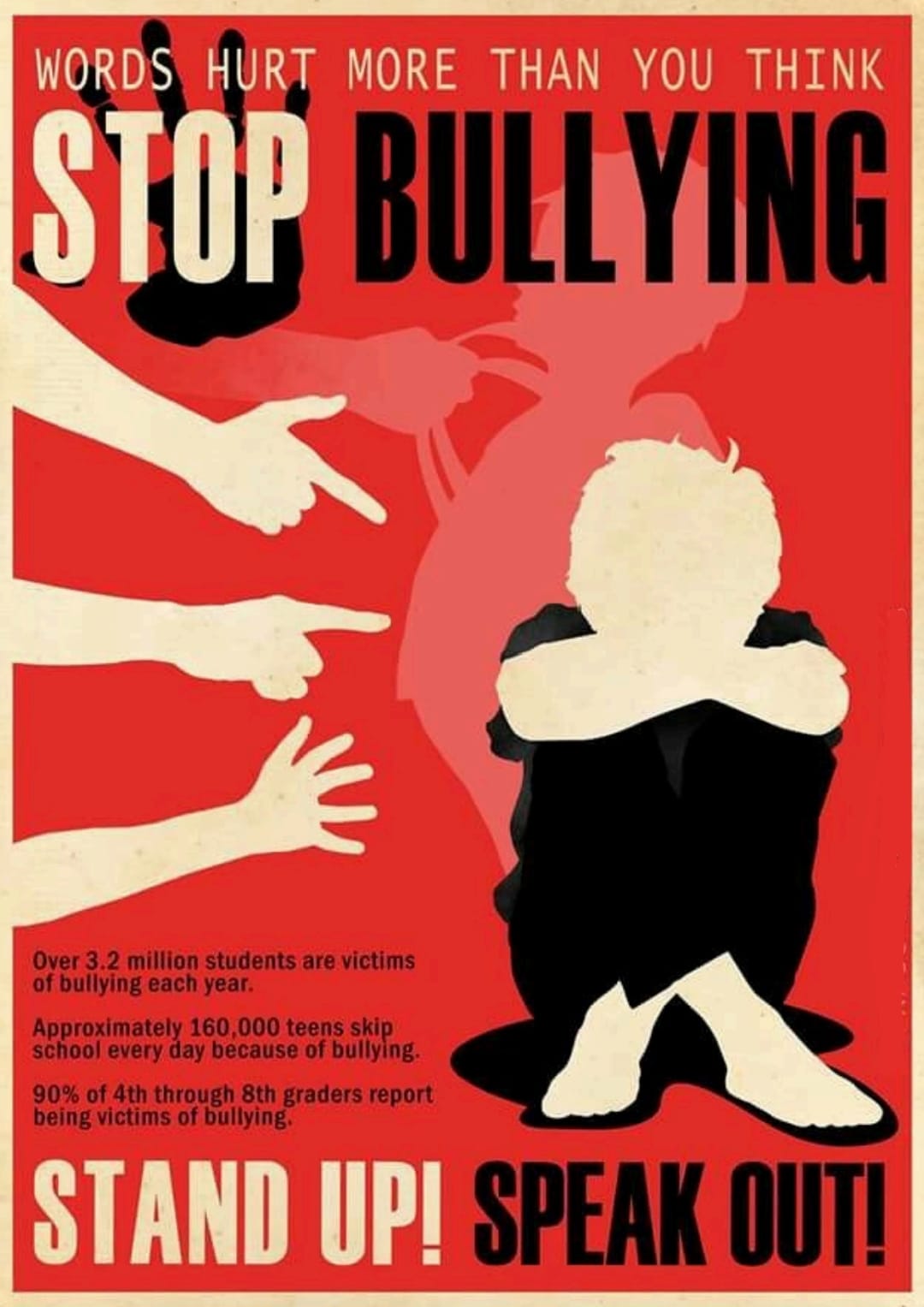
The objective of the program was to create awareness among school students regarding bullying, its impact on emotional well-being, and the importance of fostering a safe, inclusive, and
respectful learning environment. The session aimed to encourage empathy, kindness, and responsible behavior among students while promoting positive peer relationships.
Details of the Program
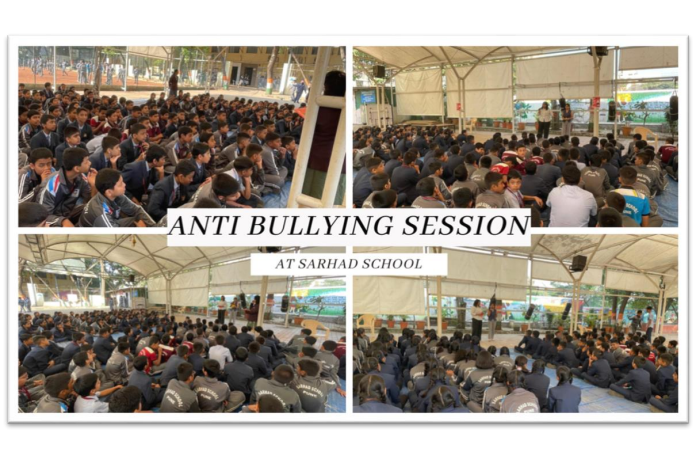
The NSS Unit of Vishwakarma University organized an Anti-Bullying Awareness Session at Sarhad School, Pune, on the occasion of Children's Day. The activity was conducted with the
objective of educating students about the various forms of bullying and encouraging them to contribute towards creating a supportive and inclusive school environment.
During the session, volunteers discussed the meaning of bullying, its different forms, and its impact on the emotional, psychological, and social well-being of individuals. Real-life examples,interactive discussions, and age-appropriate scenarios were used to help students understand the consequences of bullying and the importance of treating others with kindness and respect.
Students were encouraged to share their thoughts and experiences while participating in discussions focused on empathy, friendship, inclusion, and conflict resolution. The session also
emphasized the importance of seeking help from teachers, parents, and trusted adults whenever bullying is experienced or witnessed.
A total of 2 NSS Volunteers conducted the awareness session and engaged with more than 200 students. The activity received enthusiastic participation and created an open platform for
learning, discussion, and reflection among the participants.
Outcomes of the Program
• Increased awareness among students regarding bullying and its effects on individuals and school communities.
• Encouraged empathy, kindness, and respectful behavior among participants.
• Promoted understanding of the importance of seeking support and reporting bullying
incidents.
• Contributed towards creating awareness about safe, inclusive, and positive learning environments.
SDG Alignment
SDG 4 – Quality Education: The activity promoted a safe and inclusive educational
environment that supports learning and personal development.
SDG 16 – Peace, Justice and Strong Institutions: The session encouraged peaceful conflict
resolution, mutual respect, and responsible citizenship among students.
Annexure
Anti-Bullying Awareness Session
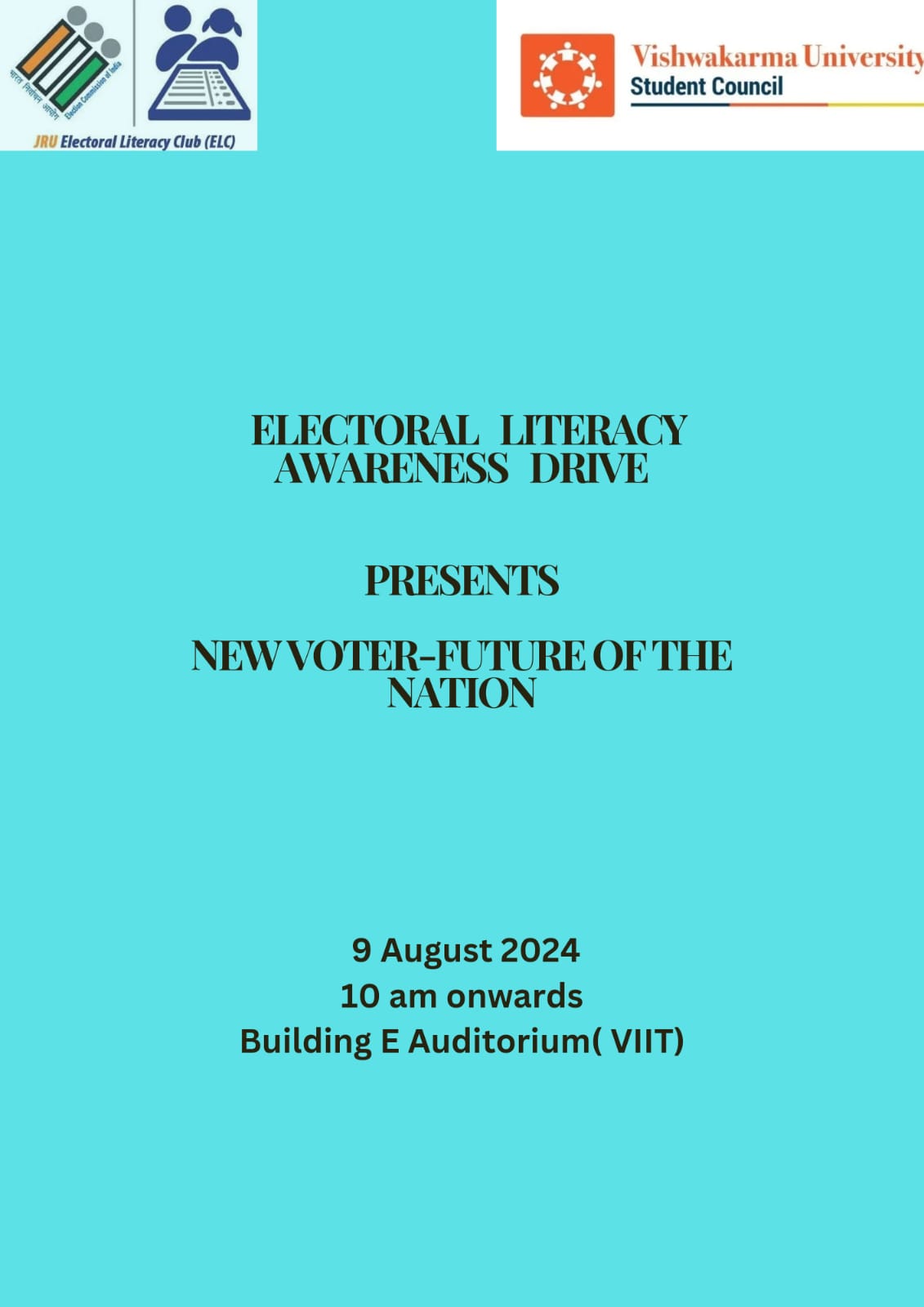
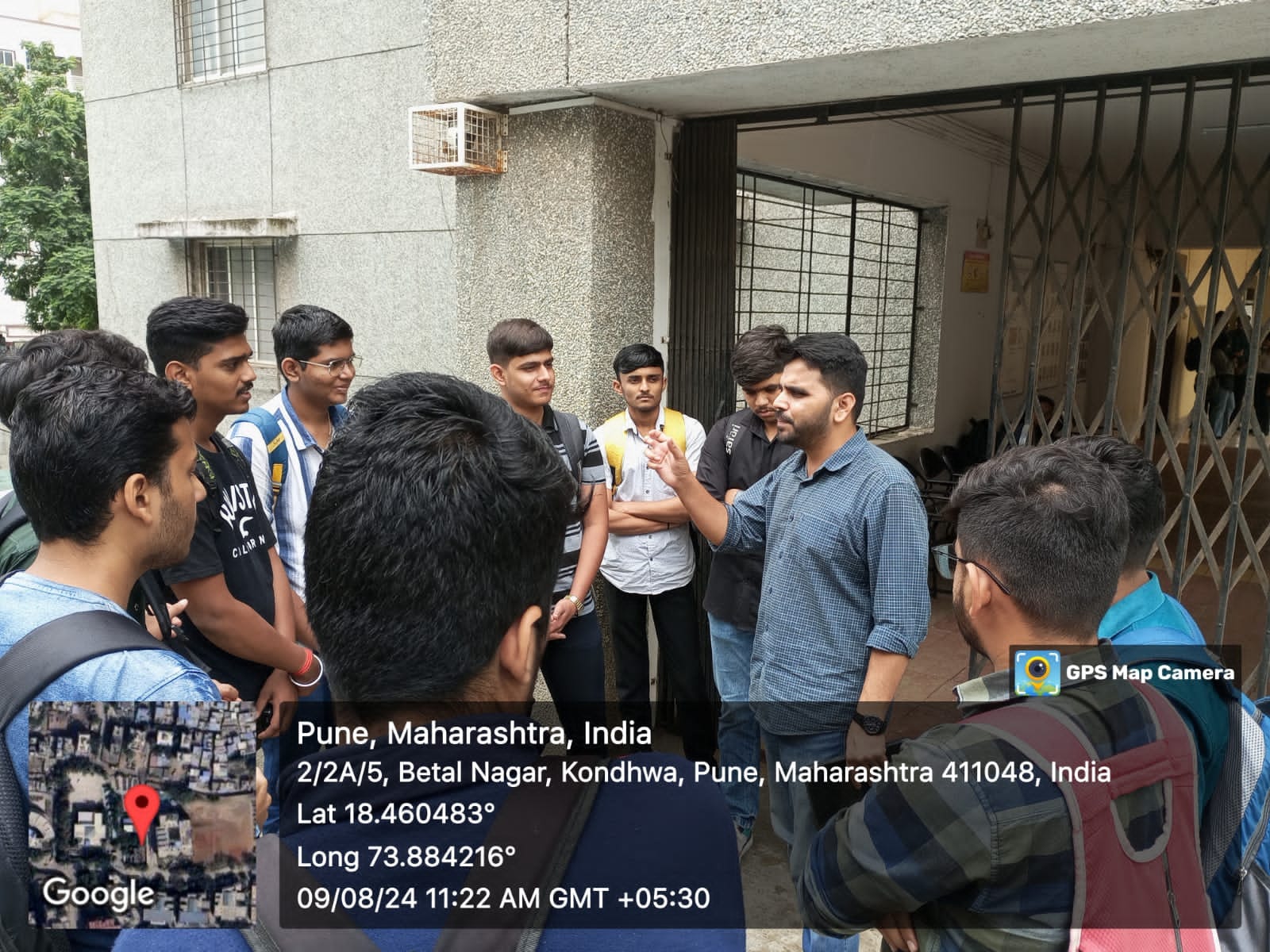
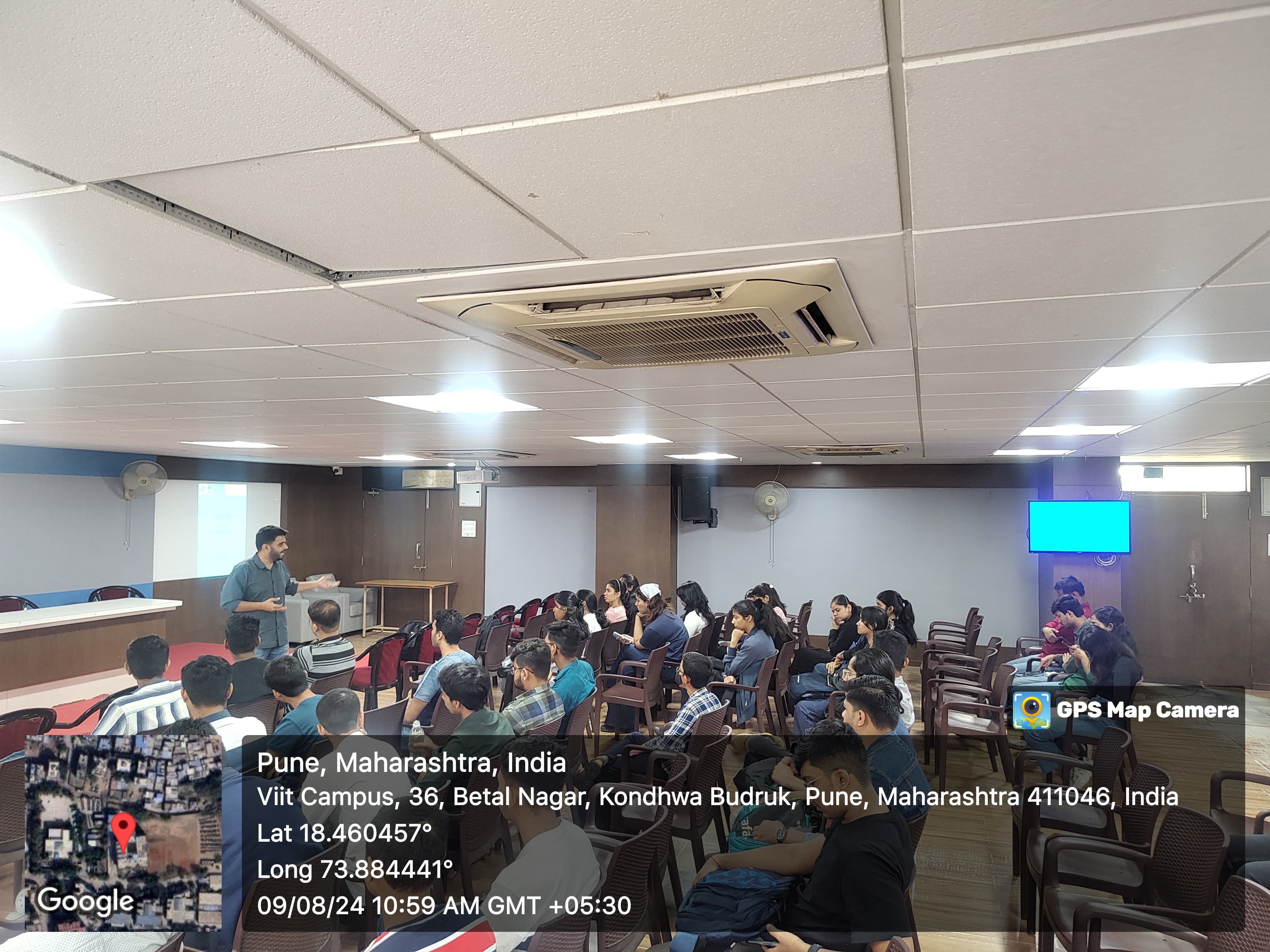
Activity name: Voting Awareness Workshop.
Organized by: Electoral Literacy Wing, Student Council, Vishwakarma University, Pune.
Date: 9th August 2024
Time: 10:00 AM - 12:00 PM
Modules & Elements: 5
- Introduction to Electoral Rights and Responsibilities.
- Emphasizing on Voter Registration and Identification.
- Explaining the Power of a Vote.
- Recognizing and Addressing Electoral Malpractices.
- Interactive Discussion and Q&A
Number of Students Engaged: 40
Guest: Prof. Shekhar Paigude
Brief: The event was organized by the Electoral Literacy Wing to educate students about their electoral rights and the importance of participating in the democratic process. The workshop featured a guest speaker, Prof. Shekhar Paigude, who shared his expertise on electoral background and rights. The workshop began with a brief introduction to the topic, followed by a discussion on the significance of voting in India. Prof. Paigude highlighted the various factors to be considered while casting a vote and addressed the vulnerability of young voters to manipulation. The students actively participated in the discussion, asking questions and sharing their perspectives. The workshop concluded with a vote of thanks to Prof. Paigude for his valuable insights. The event was deemed successful, as it encouraged students to understand their electoral responsibilities and participate in the democratic process.
OBJECTIVE: The workshop aimed to educate students about their electoral rights and the importance of participating in the democratic process. Given that many students were not registered voters, the focus was on encouraging them to register and understand the significance of their vote.
NAVIGATION
QUICK LINKS
PROGRAMMES
CONTACT US
Only for Students
+91 9590300911Only for Faculties
+91 8669908316Copyright © Vishwakarma University, Pune 2026 All rights reserved..
[Best viewed in IE 10+, Firefox, Chrome, Safari, Opera.]
Powered by