Submitted by: NSS Unit, Vishwakarma University, Pune
Date: 8th September 2025
As per the directive of the Government of Maharashtra (Planning Department) regarding the Viksit Maharashtra 2047 initiative, all higher education institutions were instructed to ensure participation of students and faculty in the citizen survey conducted through the official WhatsApp chatbot. The objective of this initiative is to involve citizens in shaping the vision of a developed Maharashtra by the year 2047.
The NSS Unit of Vishwakarma University ensured that the Viksit Maharashtra 2047 survey link reached the student and faculty community through formal communication and encouraged participation by providing clear instructions. Although the number of proof submissions received was limited, the outreach was extensive, and it is likely that more participants completed the survey informally.
This report, along with annexures (circulated messages, Google Form link, and response summary), is respectfully submitted for compliance purposes.
Dear Students & Faculty,
As part of the Viksit Maharashtra 2047 initiative by the Government of Maharashtra, you are requested to participate in the citizen survey.
Survey Link: https://shorturl.at/mdhiR
After clicking, you’ll be redirected to a WhatsApp chatbot. Please type “Start Survey” and complete the survey as instructed.
Once done, take a screenshot of your submission and upload it here: https://forms.gle/YcZjZkbS4kmv7ZwRA
Faculty and Staff Members are also requested to complete the survey and upload proof.
Deadline: 7th September 2025
Regards,
NSS Unit, Vishwakarma University
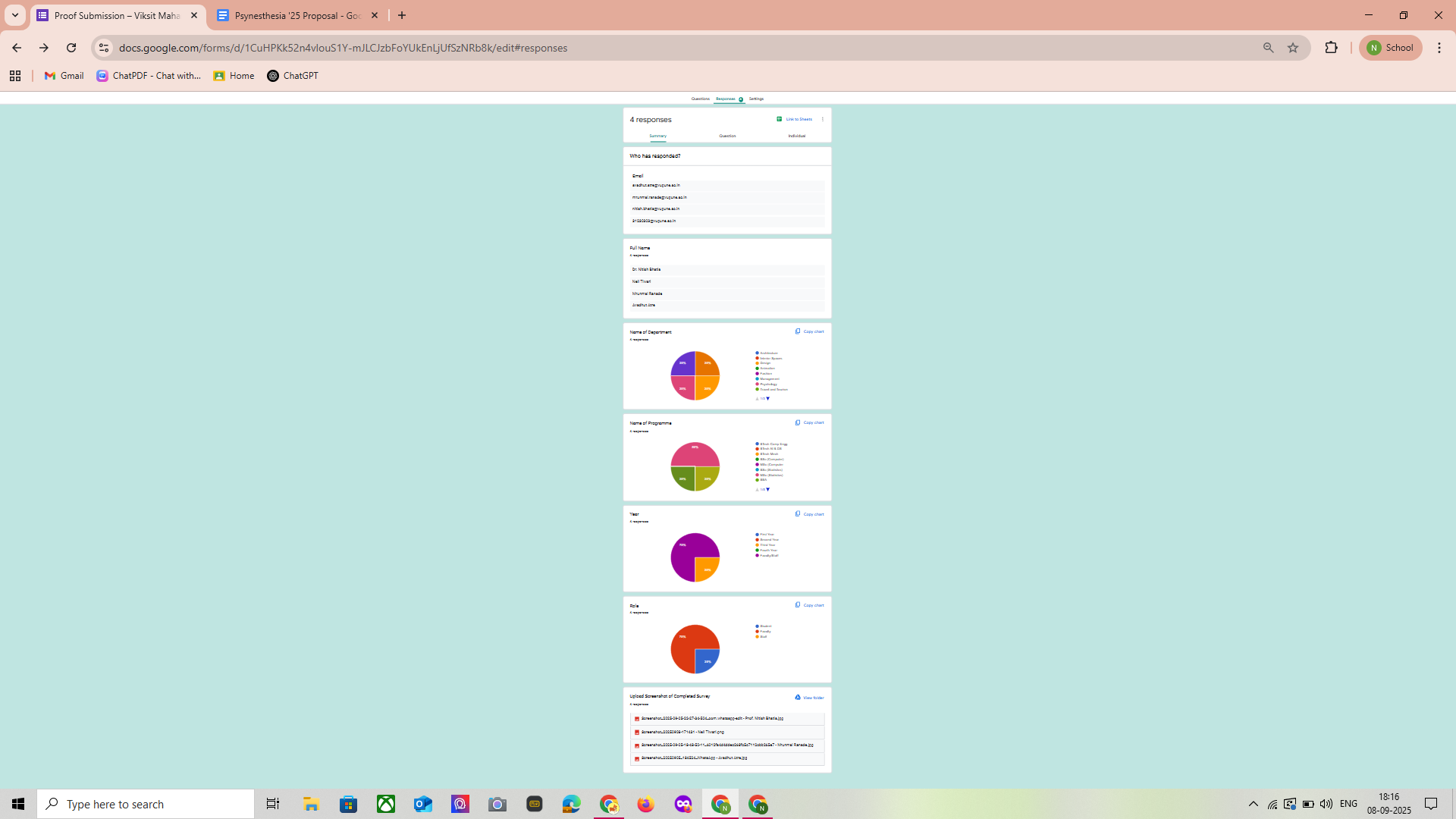
The Google Form created for collecting proof of survey participation can be accessed here:
https://forms.gle/N7t4VXc87943JGAk7
| Email Address | Full Name | Name of Department | Name of Programme | Year | Role |
Screenshot Proof |
|
| This email address is being protected from spambots. You need JavaScript enabled to view it. | Avadhut Atre | Design | BDes | Faculty/Staff | Faculty |
|
|
| This email address is being protected from spambots. You need JavaScript enabled to view it. | Mrunmai Ranade | Engineering Sciences | Faculty/Staff | Faculty/Staff | Faculty | https://drive.google.com/open?id=1b4FTZMBCNRYDa-0cw2RoZFxfM7ZsLTLM | |
| This email address is being protected from spambots. You need JavaScript enabled to view it. | Dr. Nitish Bhatia | Pharmacy | Faculty/Staff | Faculty/Staff | Faculty | https://drive.google.com/open?id=1SBe18YbeG6Df2QiJp-W5OGcqHbiIoSWP | |
| This email address is being protected from spambots. You need JavaScript enabled to view it. | Neil Tiwari | Psychology | BA (Psychology) | Third Year | Faculty | https://drive.google.com/open?id=1eHioSj9tziWm9mZMjaLU9Hjf86l02thg |
Name of the Event: Gram-Level Community Engagement and Art Competition
Date: 30th October 2025
Venue: Gram Sachivalay, Haveli Taluka, Pune District
Organised by: NSS Unit, Vishwakarma University, Pune
Participants: 4 NSS Volunteers (BA Psychology – Second Year)
Introduction
In observance of Vigilance Awareness Week 2025, the NSS Unit of Vishwakarma University, Pune conducted a rural outreach programme at the Gram Sachivalay, Haveli Taluka, Pune.
The visit aimed to strengthen community engagement through interactive and creative activities with local residents, thereby fostering civic responsibility and social awareness.
Objective
The key objective of the initiative was to build connections with the local community by conducting participatory activities that encourage creativity and awareness among children and
promote social inclusion as part of the NSS community outreach efforts.
Description of Activities
The programme began with an introductory meeting with the Gram Panchayat officials, where the NSS volunteers introduced the purpose of the visit and the larger context of Vigilance
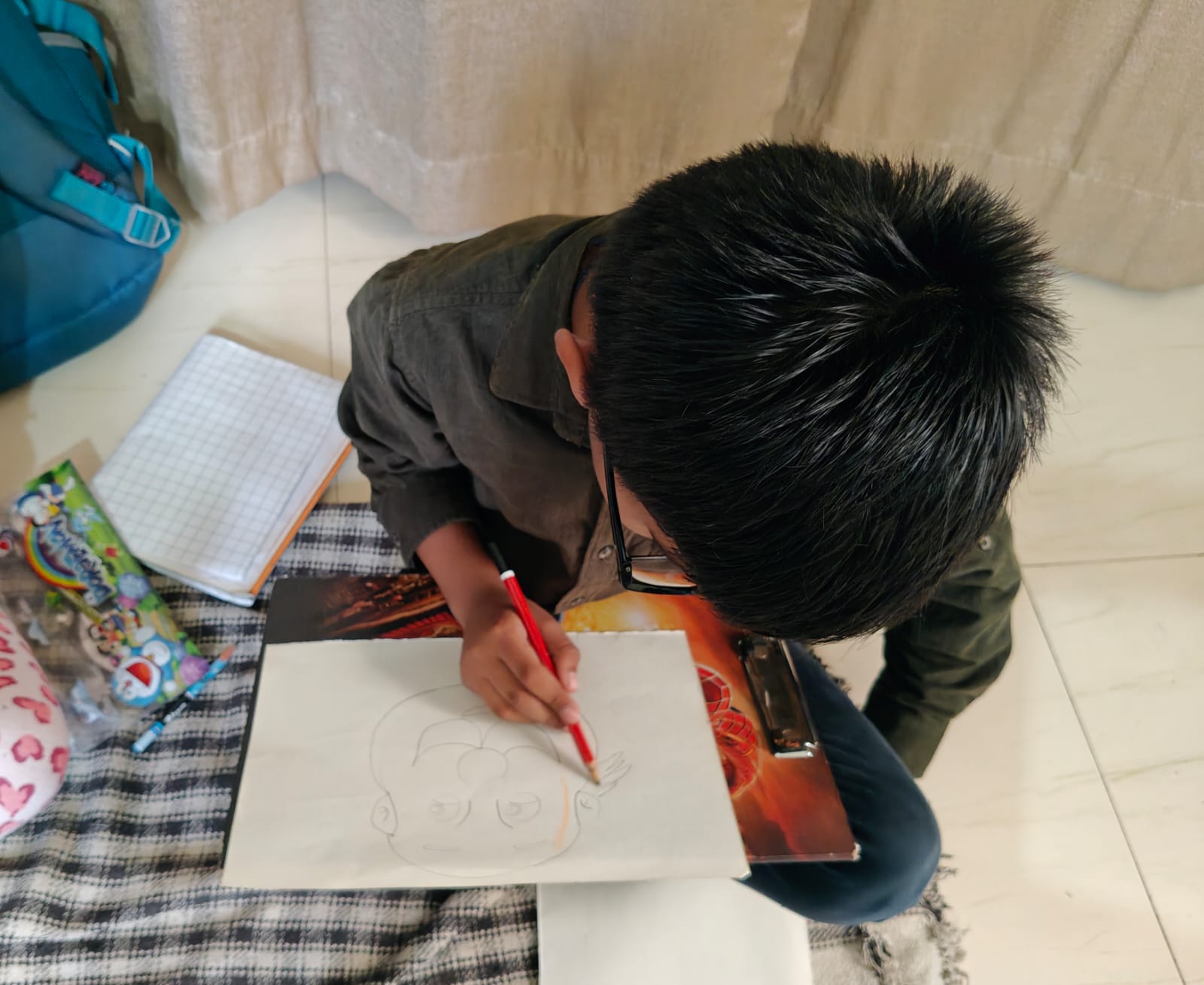
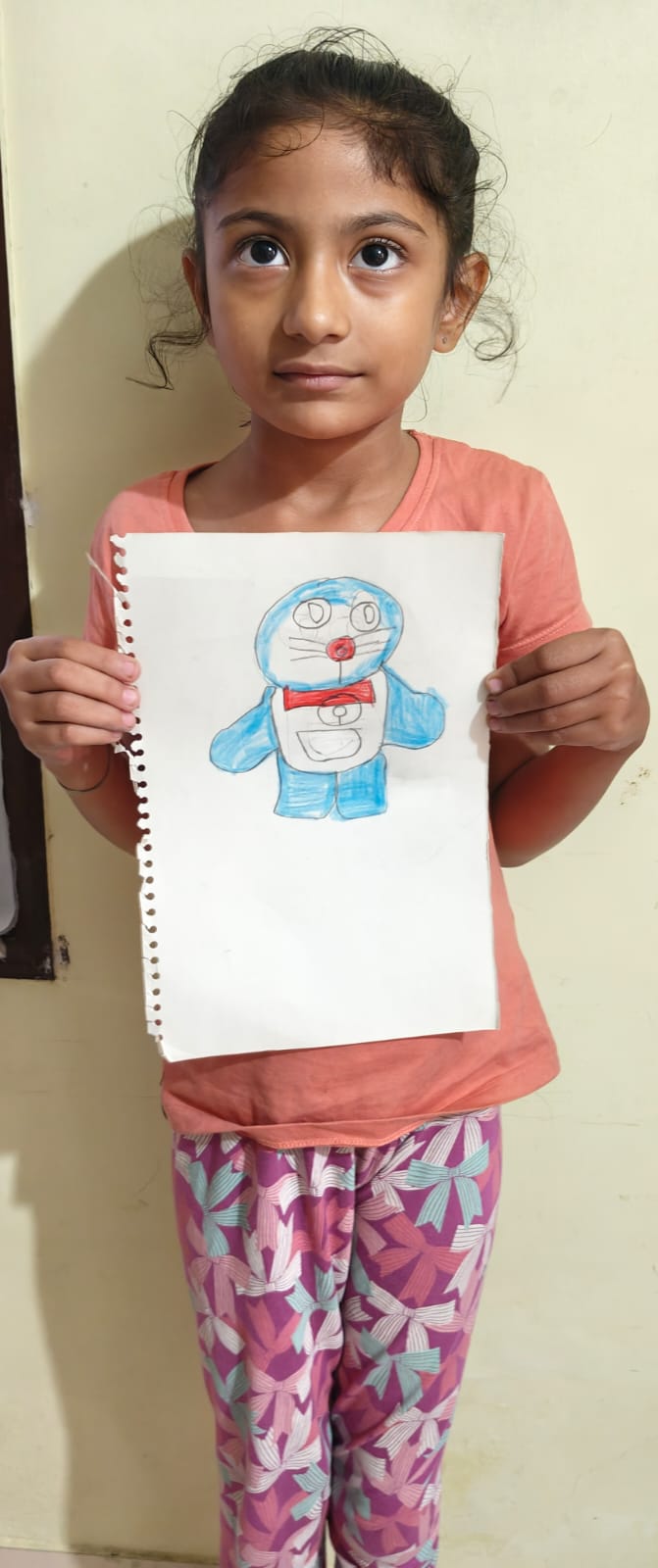
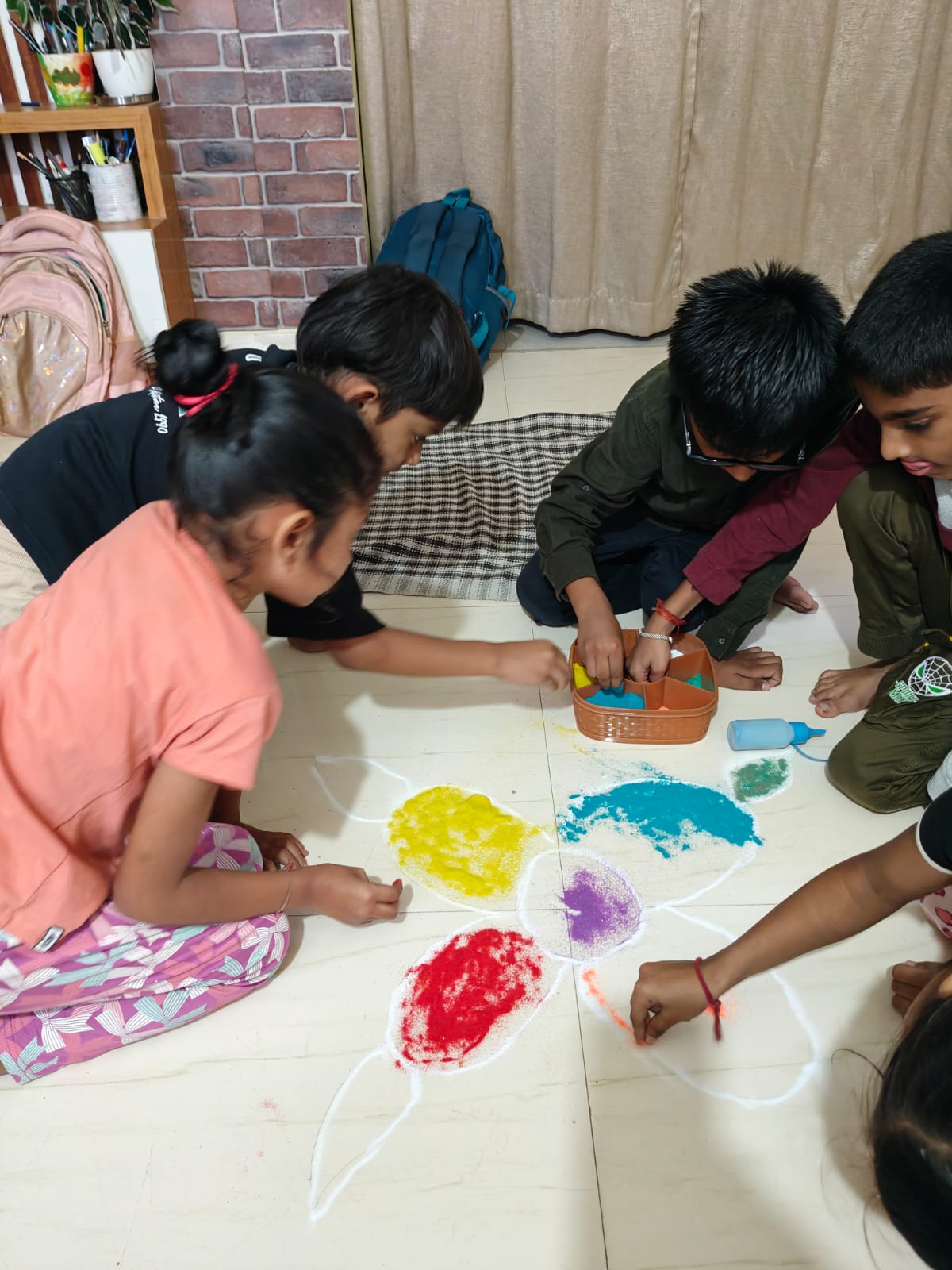
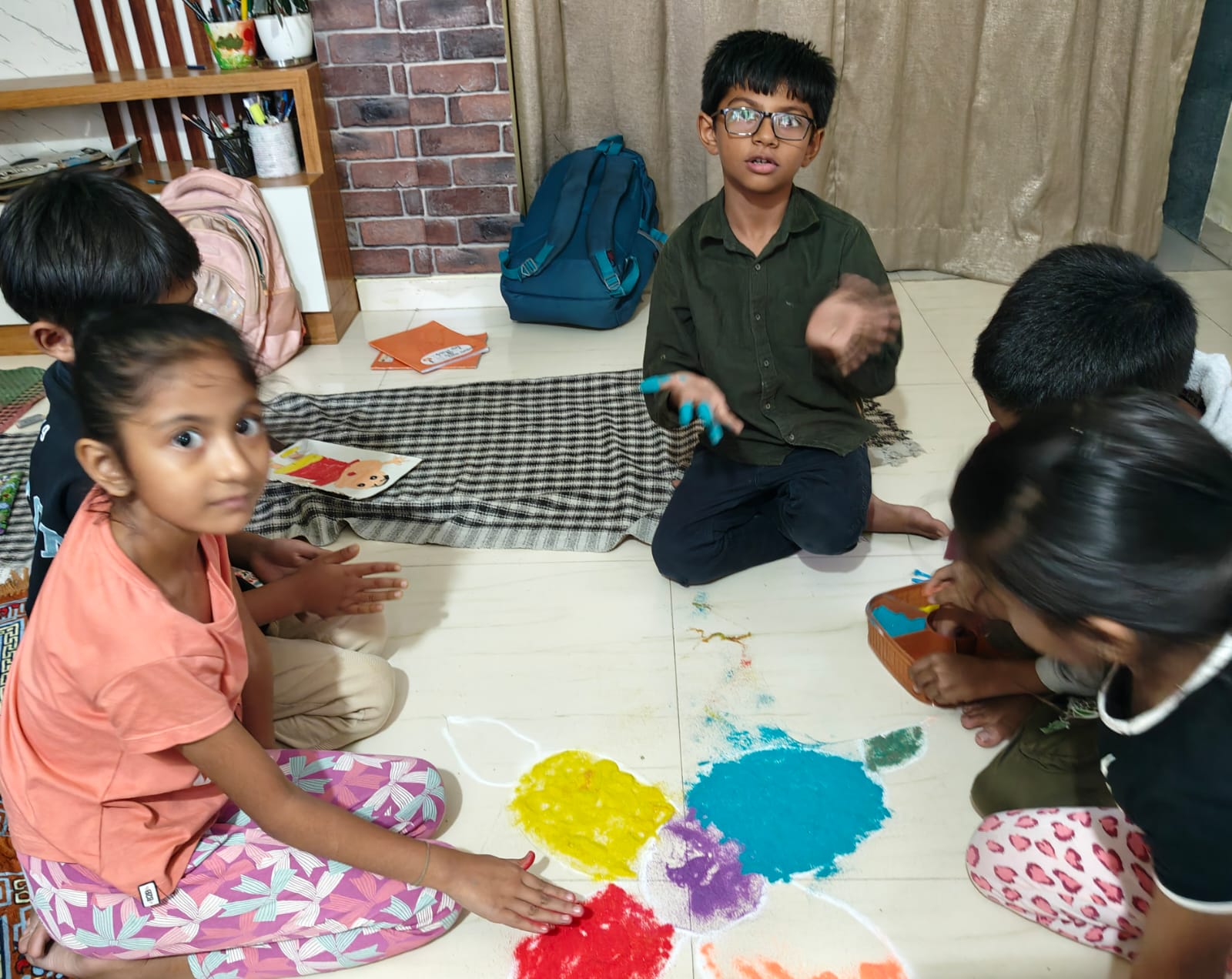
Awareness Week. The discussion focused on the importance of active citizen participation, integrity in community service, and youth involvement in awareness activities. Following the meeting, an art competition based on cartoon drawings was organised for local children. Though the turnout was modest, with five young participants, the event created a
lively and engaging atmosphere. The children showcased their creativity by illustrating cartoons of their choice.NSS volunteers assisted in organising and evaluating the entries while interacting with the children to encourage free artistic expression and participation in community activities.
Outcome and Impact
The initiative provided a meaningful opportunity to engage with the rural community through art and dialogue. It fostered a spirit of youth participation, creativity, and inclusion, aligning with
the larger goals of community engagement under Vigilance Awareness Week.
The activity also allowed NSS volunteers to experience hands-on community interaction, developing teamwork, leadership, and communication skills.
Conclusion
The Gram-Level Community Engagement and Art Competition conducted under Vigilance Awareness Week 2025 was a small but impactful outreach initiative. It served as a reminder that
community participation and awareness-building can take creative forms that bring people especially children together in meaningful ways.
Testimonies
.jpg)
.jpg)
.jpg)
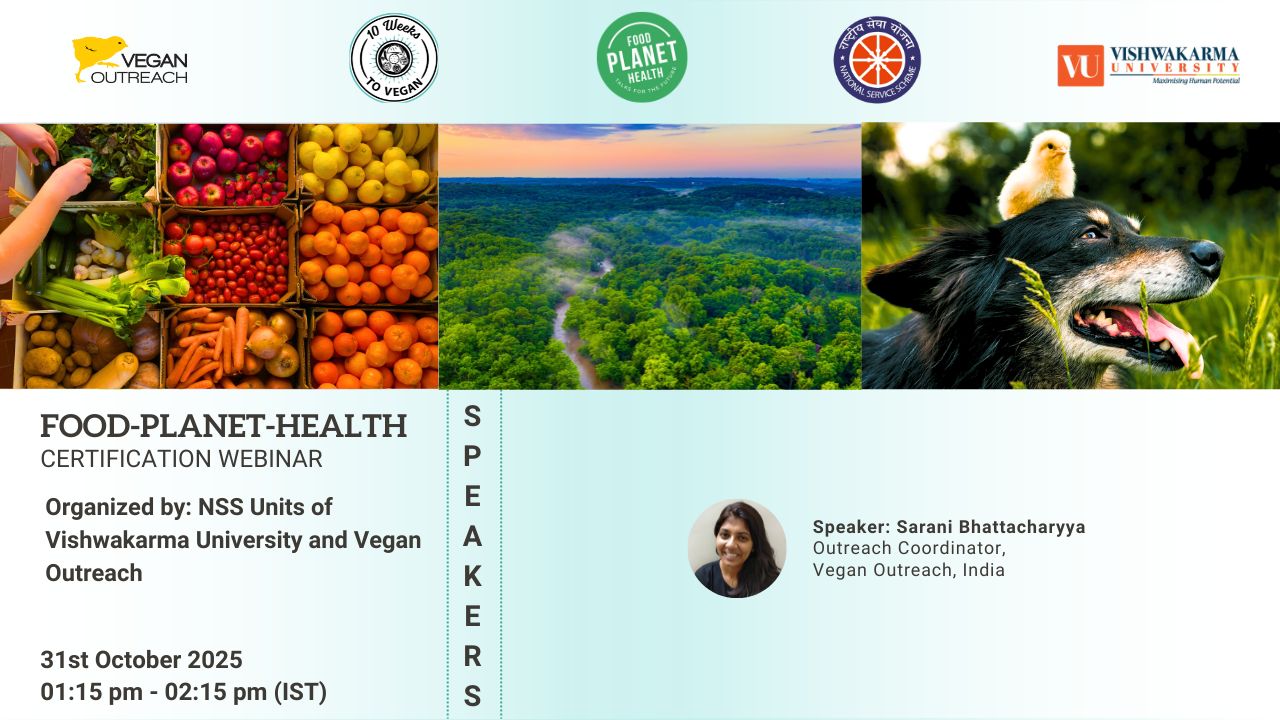
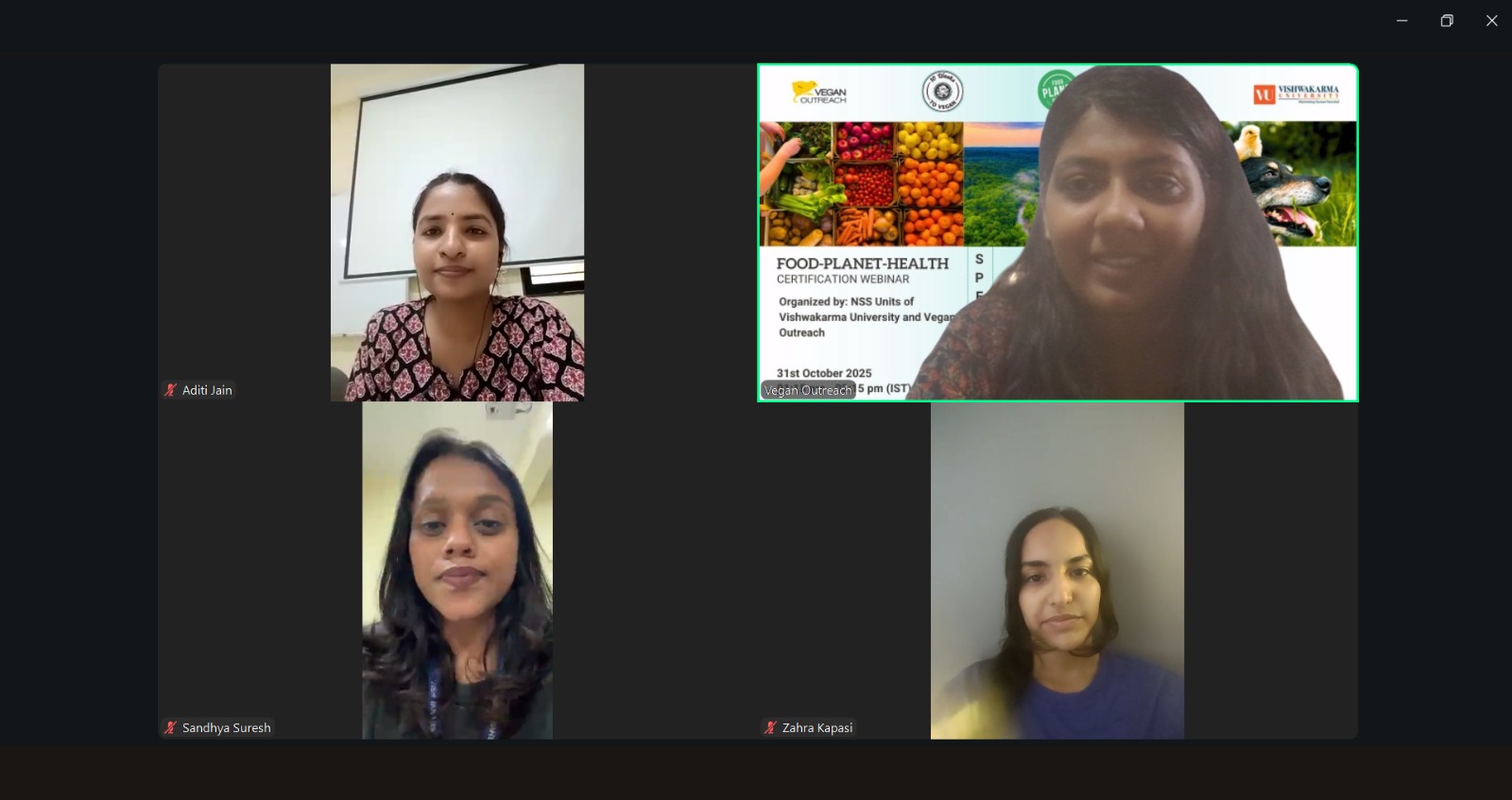
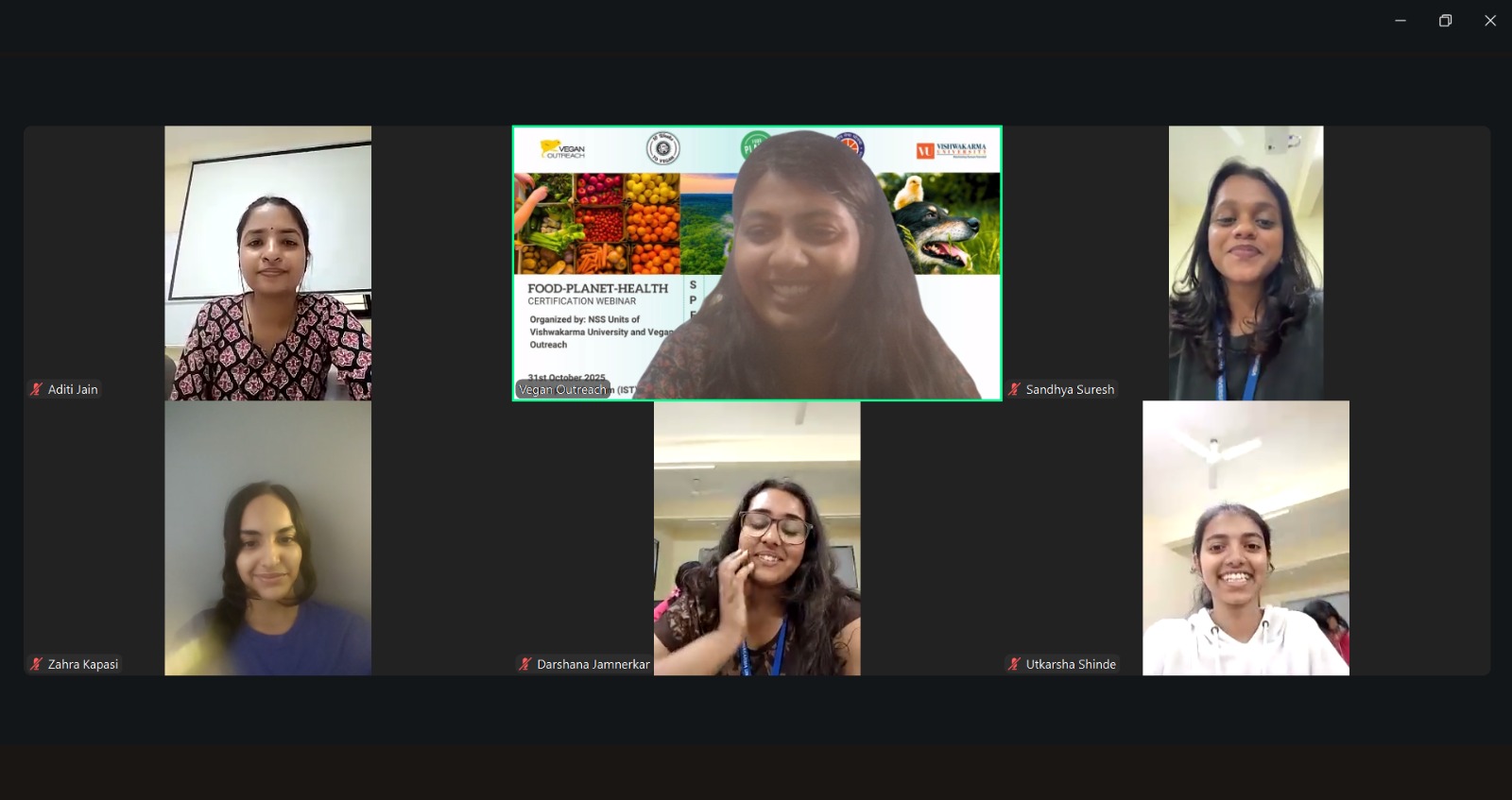
Name of the Program: Food Planet Health – Vegan Outreach Awareness Session
Date: 31st October 2025
Venue: Online (Virtual Platform)
Organised by: NSS Unit, Vishwakarma University, Pune. In collaboration with Vegan Outreach
Objective of the Program
The objective of the session was to spread awareness about plant-based nutrition, sustainable food choices, and the impact of dietary habits on personal health, the environment, and overall
planetary well-being.
Details of the Program
The NSS Unit of Vishwakarma University organised an online awareness session in collaboration with Vegan Outreach. The session was conducted in the form of an online talk and interactive discussion, focusing on the concept of veganism, ethical food choices, and the relationship between diet, climate change, and health. Participants were sensitised to the benefits of adopting a plant-based lifestyle and encouraged to make conscious dietary choices that support both individual health and environmental sustainability. The session also addressed common myths related to vegan diets and highlighted practical ways to incorporate plant-based foods into daily life. A total of 5 participants attended the session and actively engaged in discussions.
Outcomes of the Program
• Increased awareness about veganism and sustainable food practices
• Encouraged conscious and ethical dietary choices
• Promoted health, environmental responsibility, and compassion
Annexures
• Annexure 1: Screenshot of the Banner & Online Session
Name of the Program: Art Competition and Workshop – Sewa Parv 2025
Date: 26th September 2025
Venue: Vishwakarma University Campus, Room 7106
Organized by: NSS Unit, Vishwakarma University, Pune
Objective of the Program
The objective of the program was to engage students and faculty members in the vision of Viksit Bharat through creative artistic expression and knowledge sharing. The activity aimed to
mobilize the university community towards understanding national developmental themes while providing a platform for self-expression and skill-building.
Details of the Program
The program consisted of two parts — an Art Competition and a Workshop:
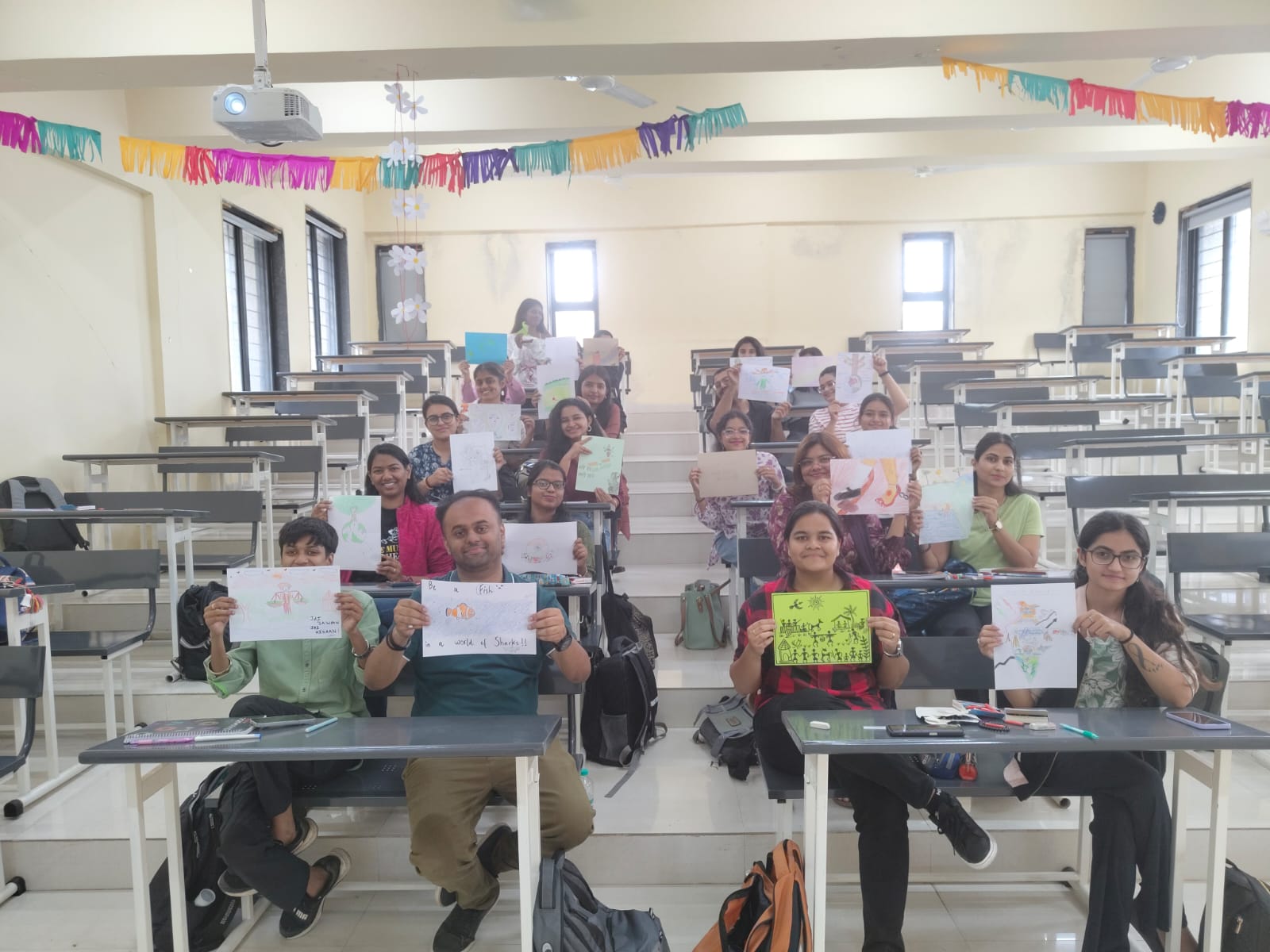
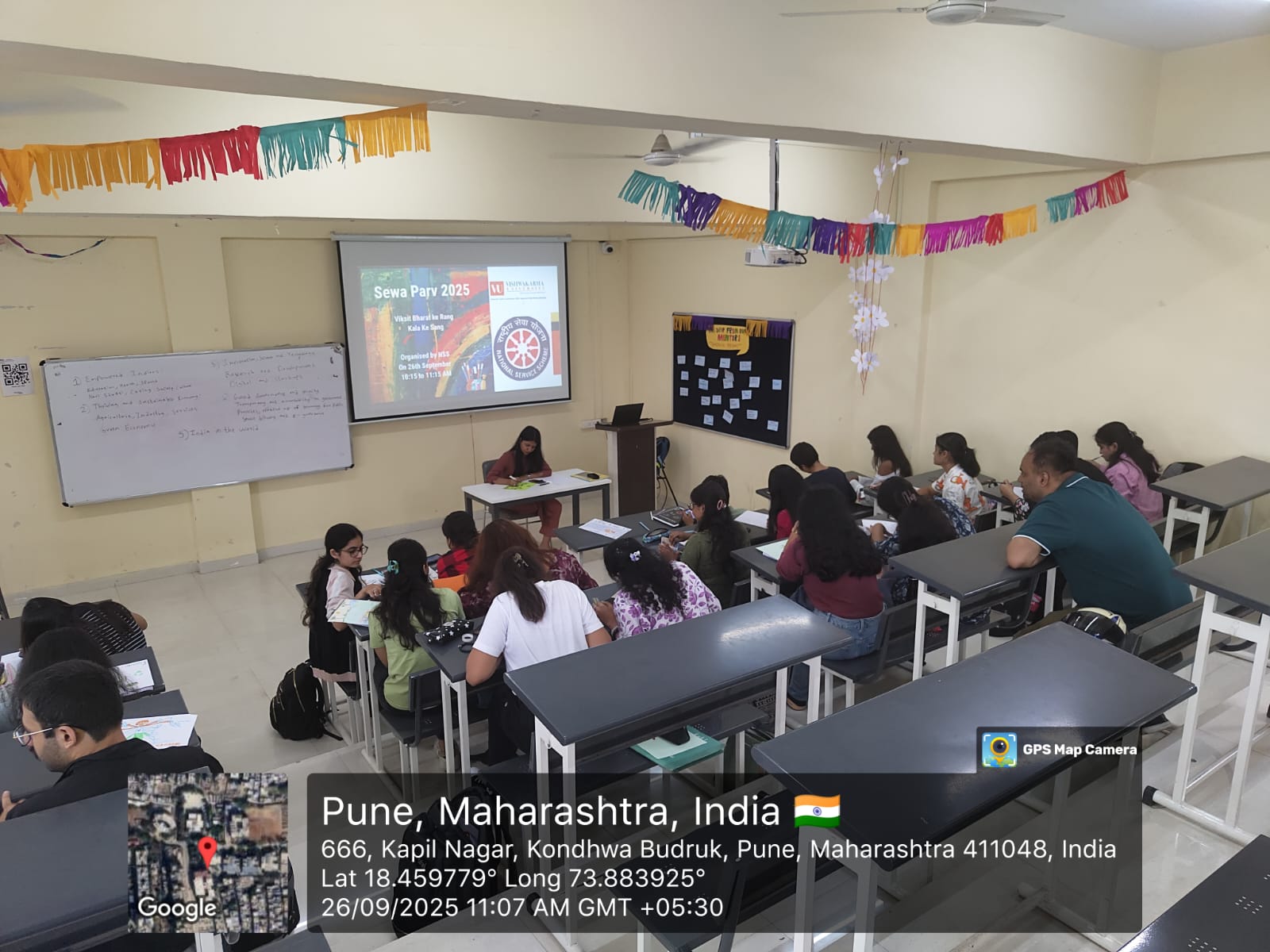
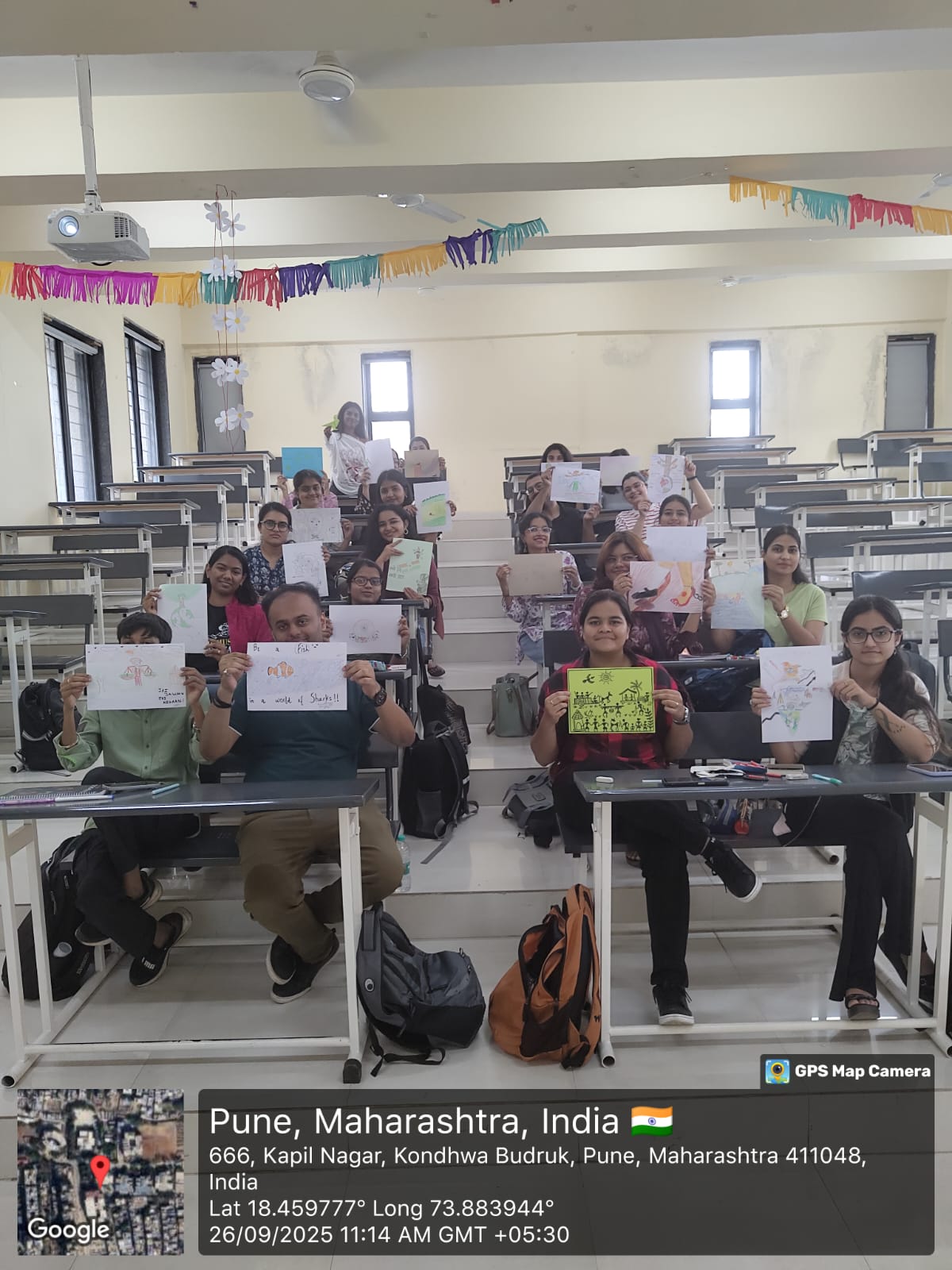
• Art Competition:Aditi Jain, faculty member, hosted the art competition. A total of 60 participants (students) submitted their artworks based on the themes of Viksit Bharat. The submissions reflected diverse perspectives on India’s developmental journey, highlighting creativity and social awareness.
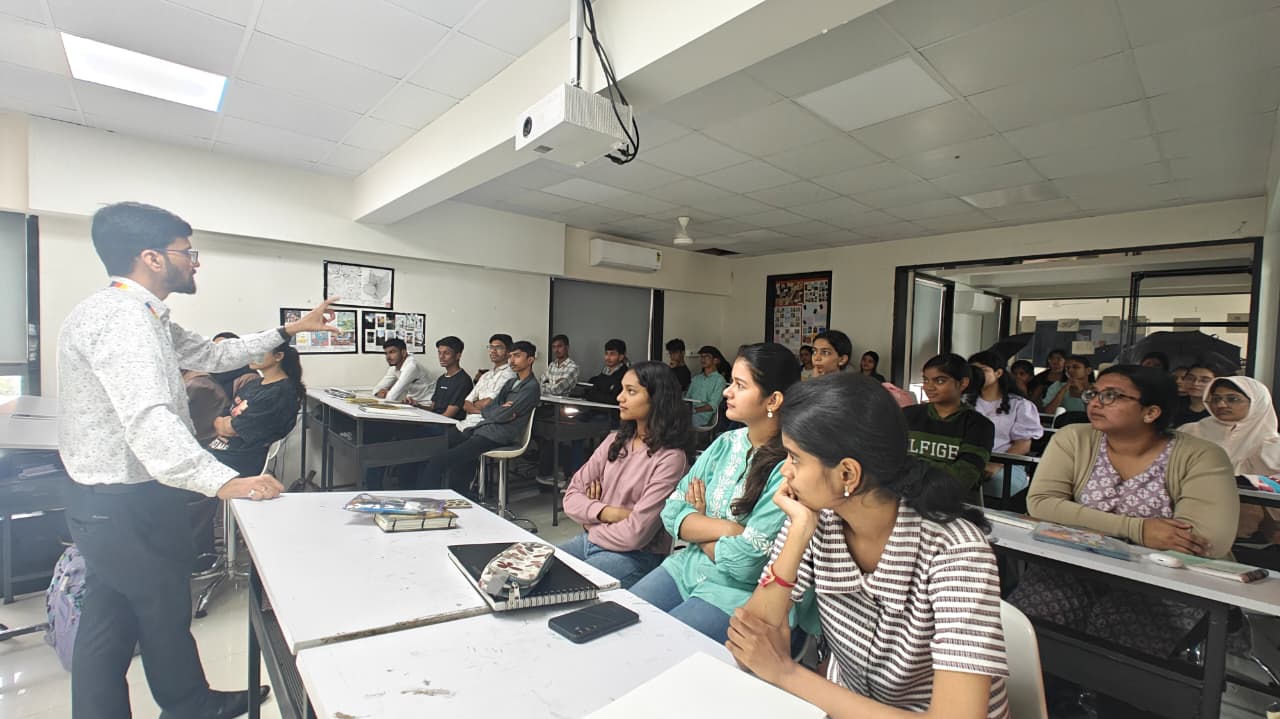
• Workshop:A short faculty workshop was conducted by a faculty member from the Department of Interior Spaces. The workshop was attended by 34 participants, who were introduced to the themes of Viksit Bharat and the role of youth and art in shaping the future of India.
• Prize Distribution:
To recognize and encourage the best artworks, a prize distribution ceremony was held. The
winners were:
1st Place: Tvisha Tanna
2nd Place: Zeenat Sayyed
3rd Place (shared): Shweta Barmecha & Suzain Kalkhyle
Outcomes of the Program
• Provided a creative platform for students and faculty to reflect on the themes of Viksit Bharat.
• Strengthened engagement of the university community in national development discourse through art and dialogue.
• Enhanced awareness of cultural, social, and developmental dimensions of India’s growth story.
• Promoted teamwork, creativity, and self-expression among students and faculty.
Annexures
• Annexure 1 – Photographs of the Competition
Name of the Program: REकला – Lippan Art Workshop
Date: 6th October 2025
Venue: Cafecore, Pune
Organized by: NSS Unit, Vishwakarma University, Pune
Objective of the Program
The objective of the program was to promote appreciation and preservation of traditional Indian art forms while encouraging creativity and cultural awareness among participants. The workshop
aimed to introduce students to the heritage of Lippan Art and provide hands-on experience in learning this unique artistic technique.
Details of the Program
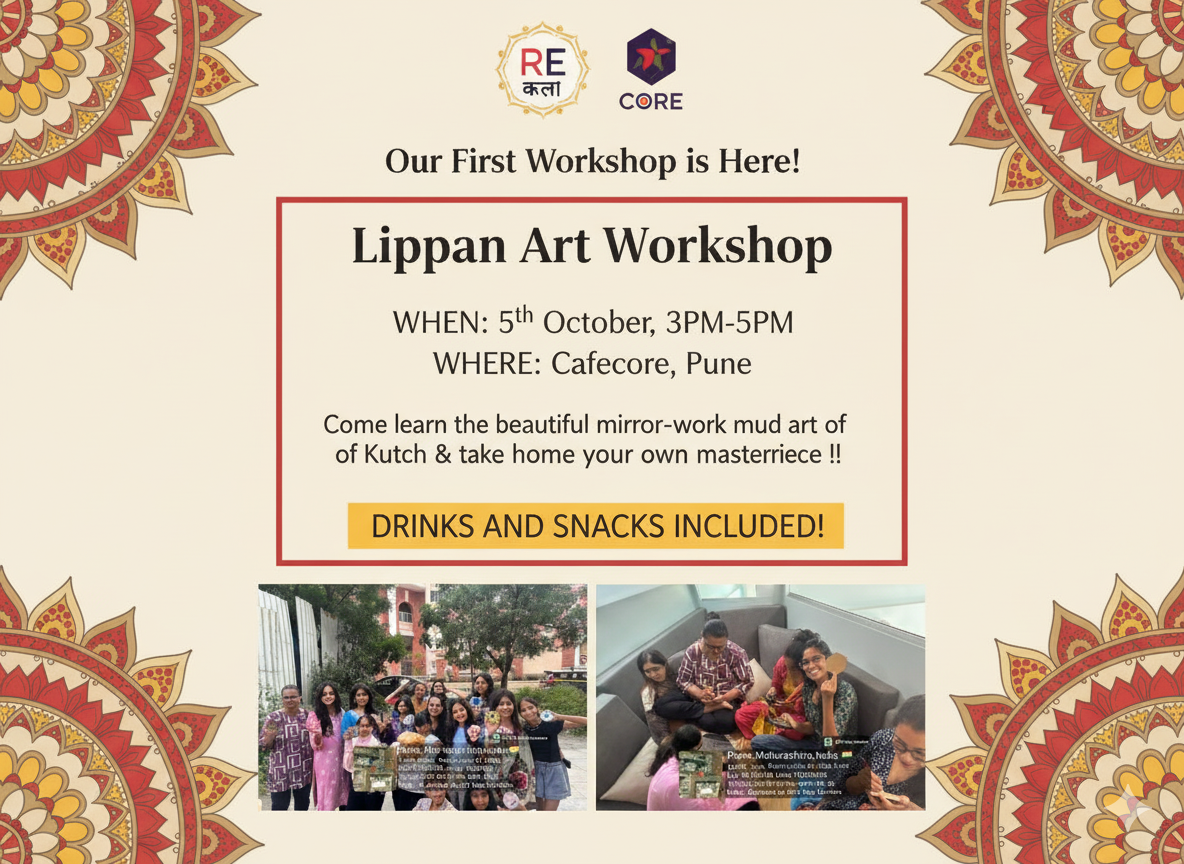
The NSS Unit of Vishwakarma University participated in REकला – Lippan Art Workshop, a cultural and artistic initiative designed to revive and celebrate traditional Indian art practices. The
workshop focused on Lippan Art, a traditional mural art form originating from the Kutch region of Gujarat, known for its intricate mirror work and decorative patterns.
The session began with an introduction to the history, cultural significance, and evolution of Lippan Art. Participants were guided through the materials and techniques involved in creating
artwork using clay, mirrors, and decorative motifs. Under expert guidance, participants learned the process of designing patterns and applying artistic elements to create their own Lippan Art pieces.
The workshop provided an interactive learning environment where participants could experiment with traditional techniques while expressing their creativity. A total of 4 NSS Volunteers and 15
participants attended the workshop and actively engaged in the artistic activities.
The initiative successfully combined cultural education with skill development, allowing participants to connect with India’s rich artistic heritage while fostering creativity and
craftsmanship.
Outcomes of the Program
• Enhanced awareness regarding traditional Indian art forms and cultural heritage.
• Developed artistic skills and creativity through hands-on learning experiences.
• Encouraged appreciation for indigenous art practices and cultural preservation.
• Promoted self-expression, patience, and attention to detail through artistic engagement.
SDG Alignment
SDG 4 – Quality Education: The workshop provided experiential learning and promoted
cultural education through skill-based activities.
SDG 11 – Sustainable Cities and Communities: The activity contributed towards preserving
and promoting cultural heritage and traditional artistic practices.
SDG 12 – Responsible Consumption and Production: The workshop encouraged sustainable
creative practices and appreciation of handcrafted art forms.
Name of the Program: Project Swarang – Colours of My Mind
Date: 14th September 2025
Venue: Dharmaveer Shambhu Anathalaya, Kale Padal
Organized by: NSS Unit, Vishwakarma University, Pune
Objective of the Program
The objective of the program was to encourage creativity, imagination, and self-expression among children through art-based activities. The initiative aimed to provide a supportive
environment where children could communicate their thoughts, emotions, and ideas through creative expression while fostering confidence and personal development.
Details of the Program
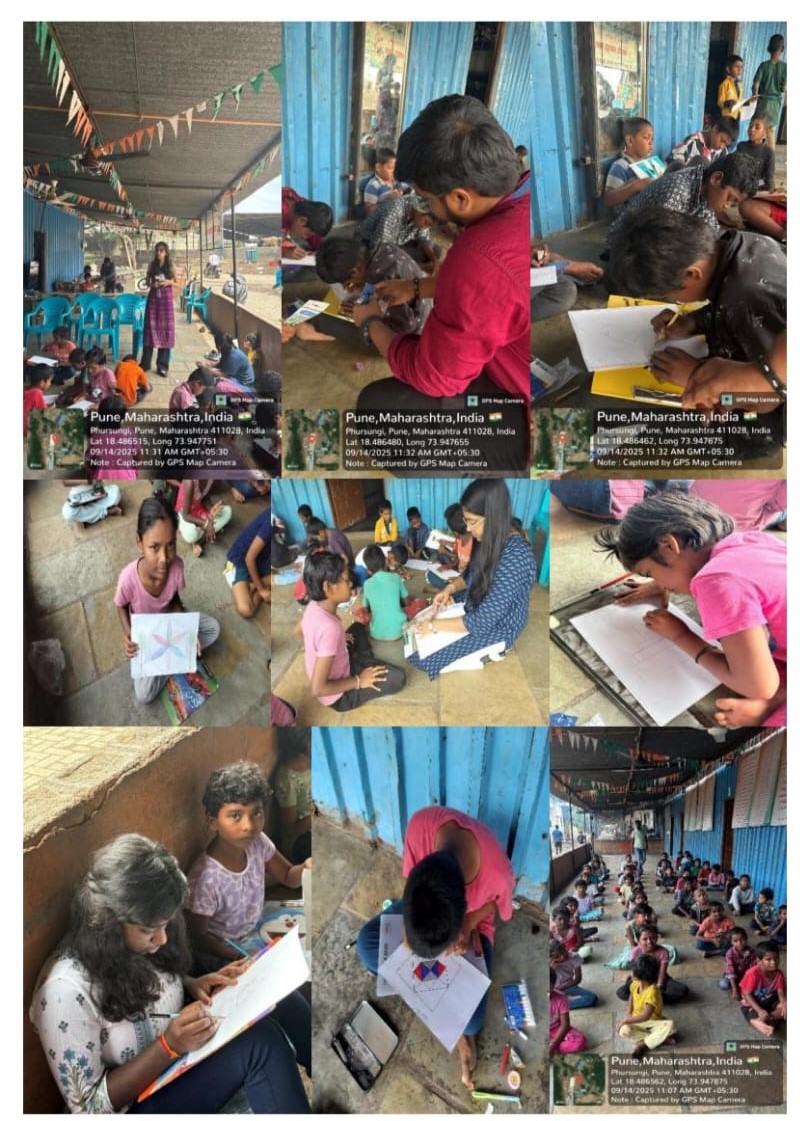
The NSS Unit of Vishwakarma University organized Project Swarang – Colours of My Mind at Dharmaveer Shambhu Anathalaya, Kale Padal. The activity was designed to engage children in
creative and expressive exercises that encouraged imagination, communication, and emotional expression.
The session included drawing and art-based activities that allowed participants to represent their ideas, experiences, and aspirations through colors and illustrations. Volunteers interacted closely with the children, encouraging them to think creatively and share the stories behind their artwork.
The activity also incorporated informal discussions and interactive engagement to help children build confidence and express themselves freely. The supportive and encouraging atmosphere
enabled participants to explore their creativity without hesitation while developing communication and social skills.
A total of 3 NSS Volunteers conducted the activity and engaged with 45 child participants. The program provided an enriching platform for creative learning and emotional development while
fostering meaningful interaction between volunteers and children.
Outcomes of the Program
• Encouraged creativity, imagination, and artistic expression among children.
• Enhanced confidence and communication skills through interactive participation.
• Provided a positive environment for self-expression and emotional development.
• Fostered meaningful engagement and rapport between volunteers and participants.
SDG Alignment
SDG 3 – Good Health and Well-being: The activity supported emotional well-being and positive self-expression among children.
SDG 4 – Quality Education: The program promoted experiential learning, creativity, and personal development through art-based activities.
Name of the Program: Project JalRakshak – Health & Hygiene Awareness for Children
Date: 6th November 2025
Venue: Pre-school, Ekatmik Bal-Vikas Seva Yojana, Kondhwa, Pune
Organized by: NSS Unit, Vishwakarma University, Pune
Objective of the Program
The objective of the program was to promote awareness regarding personal hygiene, healthy habits, physical well-being, and water conservation among young children. The activity aimed to
encourage positive lifestyle practices through interactive and age-appropriate learning experiences.
Details of the Program
The NSS Unit of Vishwakarma University organized Project JalRakshak – Health & Hygiene Awareness for Children at the Pre-school of Ekatmik Bal-Vikas Seva Yojana, Kondhwa. The
program was designed to introduce children to the importance of maintaining good health, practicing personal hygiene, and conserving water through engaging and interactive activities.
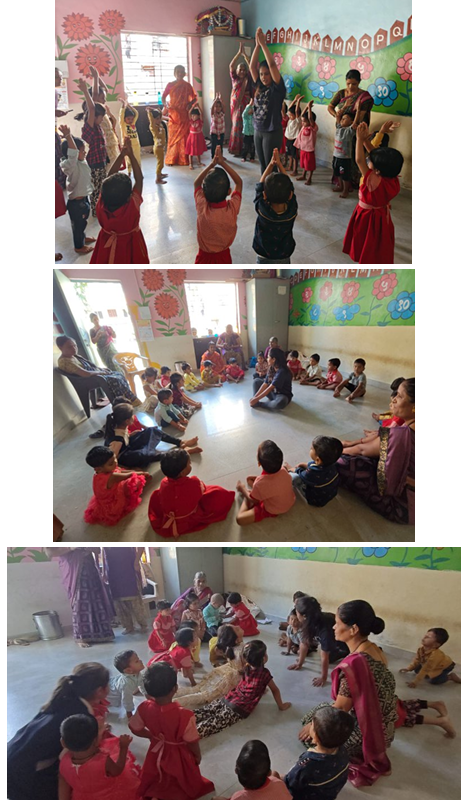
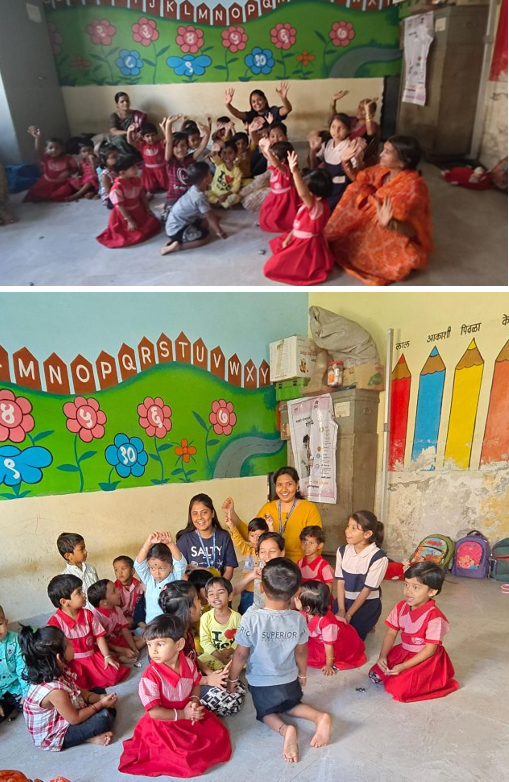
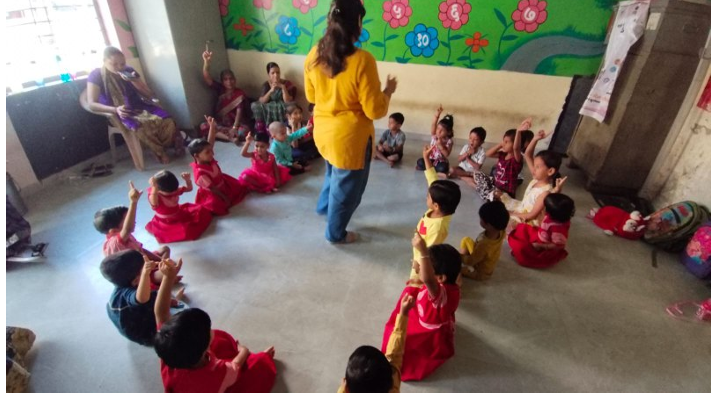
The session included a fun-filled "Animal Yoga Adventure" where children participated in simple yoga poses inspired by animals such as butterflies, frogs, lions, and trees. This activity encouraged physical movement, balance, flexibility, and mindfulness among the participants. A storytelling activity titled “Neel the Water Hero” was also conducted to educate children about
responsible water usage, hand hygiene, and water conservation practices. Through storytelling and interactive discussions, children learned simple habits that contribute to healthier lifestyles
and environmental responsibility.
A total of 3 NSS Volunteers conducted the activity, engaging 26 participants, including 22 children and 4 adults. The session was conducted in a cheerful and participatory environment, ensuring active involvement of all attendees.
Outcomes of the Program
• Increased awareness among children regarding personal hygiene and healthy daily habits.
• Promoted understanding of water conservation and responsible use of natural resources.
• Encouraged physical activity, mindfulness, and positive health practices through interactive learning.
• Fostered curiosity, participation, and teamwork among the children through engaging educational activities.
SDG Alignment
SDG 3 – Good Health and Well-being: The program promoted healthy habits, physical activity, hygiene, and overall well-being among children.
SDG 6 – Clean Water and Sanitation: The activity encouraged awareness regarding water conservation, cleanliness, and responsible water usage.
Annexures
Annexure 1 – Animal Yoga Activity
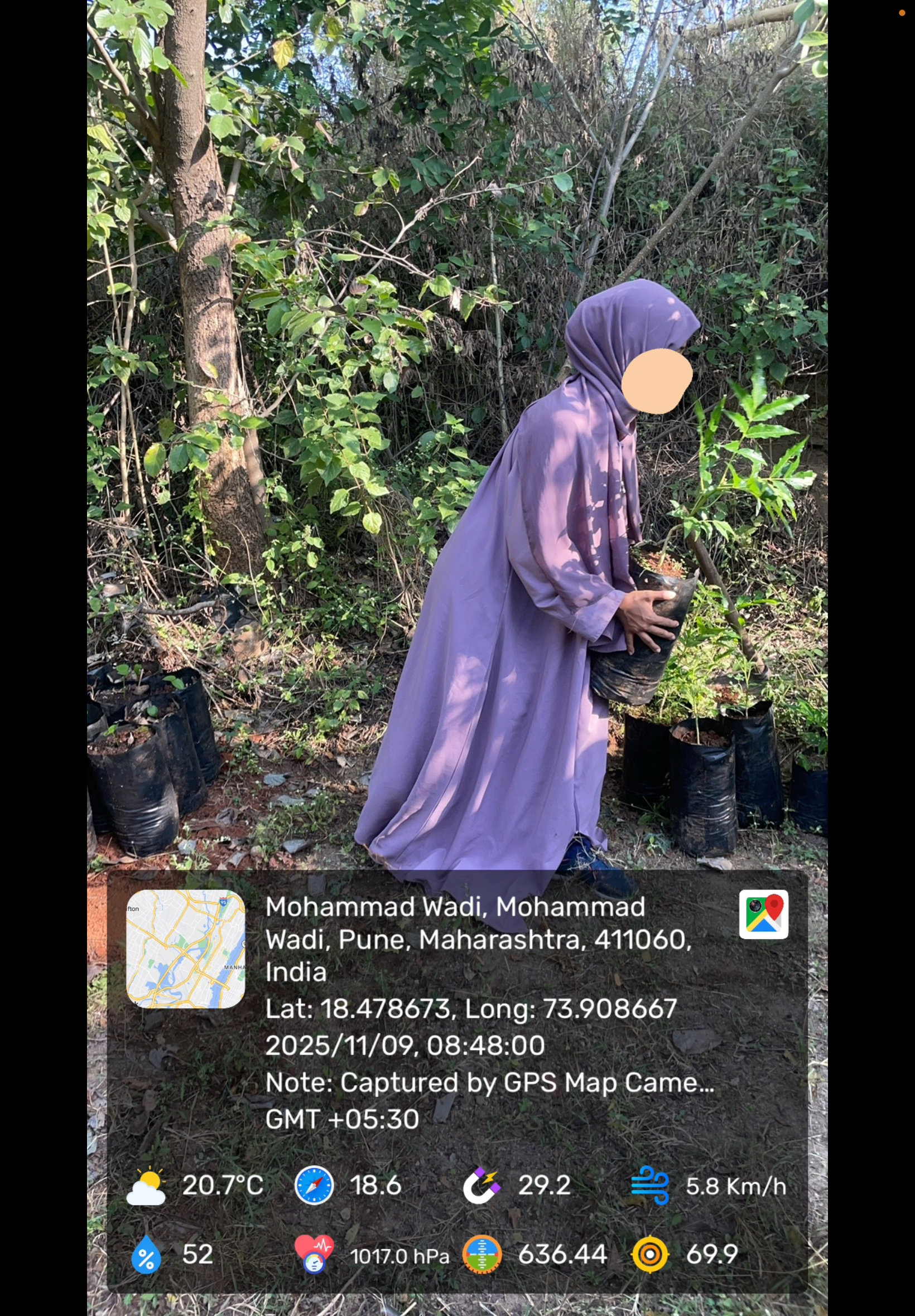
Name of the Program: Project Go Green – Planting for a Better Tomorrow
Date: 10th October 2025
Venue: Anandvan Forest, Pune
Organized by: NSS Unit, Vishwakarma University, Pune
Objective of the Program
The objective of the program was to promote environmental sustainability and encourage active participation in conservation efforts through tree plantation activities. The initiative aimed to
create awareness regarding the importance of afforestation, ecological balance, and individual responsibility towards protecting the environment.
Details of the Program
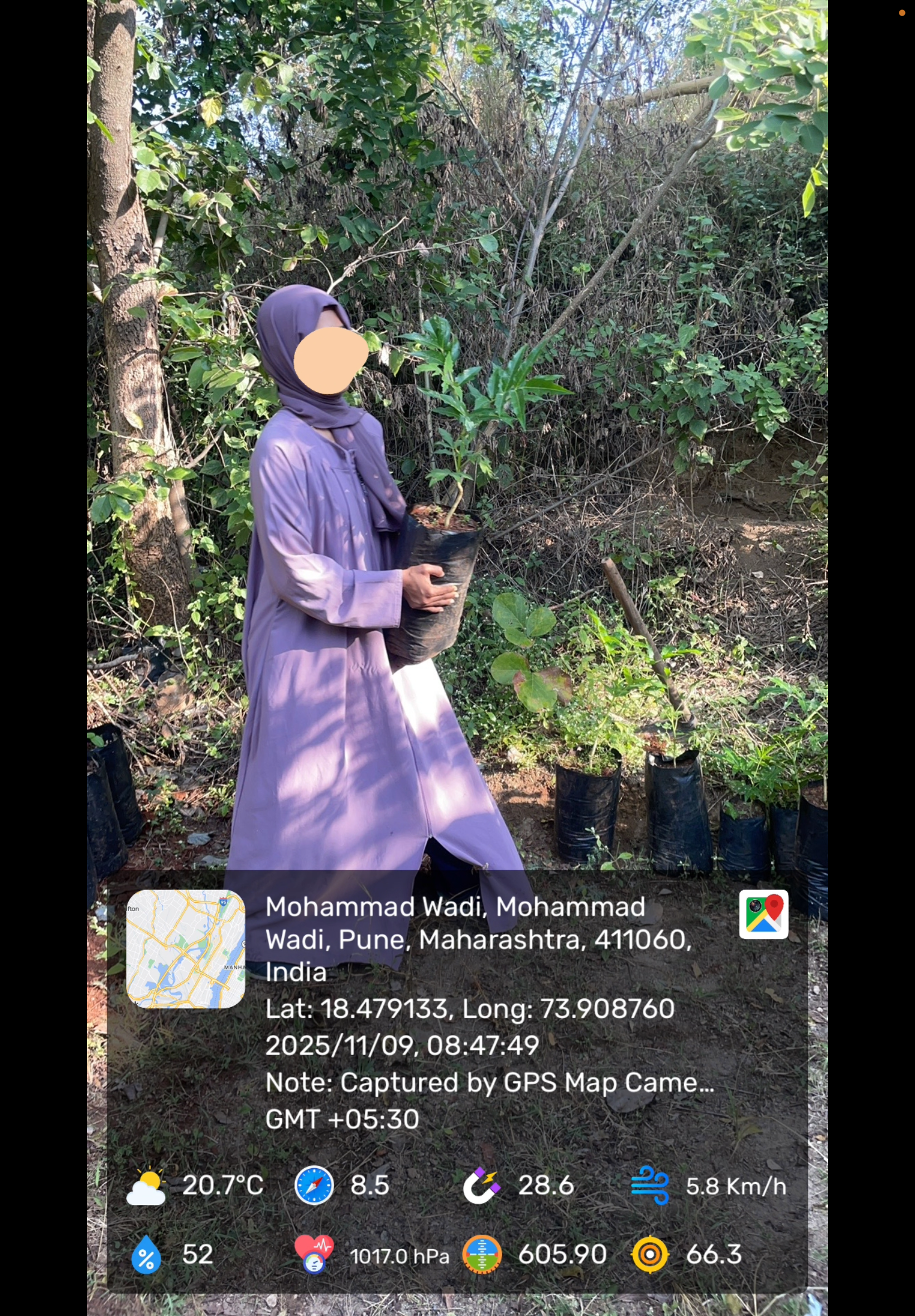
The NSS Unit of Vishwakarma University organized Project Go Green – Planting for a Better Tomorrow at Anandvan Forest, Pune, as part of its commitment to environmental conservation
and sustainable development. The activity involved the plantation of saplings within the forest area under the guidance of the local environmental initiative team. Participants were introduced to the importance of afforestation and were educated about sustainable planting practices, environmental stewardship,
and the long-term benefits of tree plantation. Volunteers actively participated in preparing the soil, planting saplings, and watering them to
ensure proper growth and survival. The activity provided participants with a practical understanding of ecological conservation and the role individuals can play in protecting natural
resources.
A total of 4 NSS Volunteers and 10 participants took part in the plantation drive. The initiative served as an opportunity to engage with nature while contributing positively towards environmental sustainability and community well-being.
Outcomes of the Program
• Promoted awareness regarding environmental conservation and sustainable development.
• Encouraged active participation in afforestation and ecological preservation efforts.
• Enhanced understanding of sustainable plantation practices and environmental responsibility.
• Fostered a sense of stewardship and commitment towards protecting natural ecosystems.
SDG Alignment
SDG 3 – Good Health and Well-being: The activity promoted physical engagement with nature
and encouraged healthier, environmentally conscious lifestyles.
SDG 13 – Climate Action: The plantation drive contributed towards environmental
sustainability and climate resilience.
SDG 15 – Life on Land: The initiative supported afforestation efforts and the protection of
terrestrial ecosystems.
.PNG)
Introduction
Under the Nasha Mukt Bharat Abhiyan (NMBA), an awareness programme on Substance Use Control: Causes, Symptoms, and Coping Strategies was conducted to educate students and
the community about the growing concerns related to alcohol consumption, smoking, vaping, and the use of cannabis (weed). The programme aimed at promoting healthy lifestyle choices
and encouraging individuals to make informed and responsible decisions regarding substance use. The session focused on understanding the concept of addiction, its causes, warning signs,
and its emotional, psychological, and physical consequences.
Experience and Engagement
Participation in this activity proved to be a meaningful learning experience. The session involved interactive engagement with individuals who had direct or indirect exposure to substance use and those actively involved in prevention and awareness efforts. Real-life narratives and discussions helped in understanding the severe impact of substance abuse on mental health, family
relationships, academic performance, and overall well-being. The interactive environment encouraged open dialogue and reflection among students.
Key Learnings
The session provided comprehensive insight into:
• The effects of substance use on brain functioning and physical health
• Emotional and social consequences of addiction
• Risk factors such as peer pressure, stress, curiosity, and lack of awareness
• Common misconceptions related to vaping, smoking, and cannabis use
• Healthy coping strategies, including therapy, mindfulness, seeking social support, and adopting positive lifestyle habits
Students also learned the importance of early intervention and the role of awareness in prevention.
Activities Conducted
To reinforce learning and encourage participation, the following activities were conducted:
• General Awareness Quiz on substance use and addiction
• Interactive Discussions with peers
• Poster Displays and Information Booths
• Peer Interaction Activities to promote open communication
These activities helped in building awareness in an engaging and student-friendly manner.
Testimonies
.png)
.png)
.png)
.png)
NAVIGATION
QUICK LINKS
PROGRAMMES
CONTACT US
Only for Students
+91 9590300911Only for Faculties
+91 8669908316Copyright © Vishwakarma University, Pune 2026 All rights reserved..
[Best viewed in IE 10+, Firefox, Chrome, Safari, Opera.]
Powered by